The United Arab Emirates has agreed to go back to war in Yemen. Abu Dhabi will resume paying and supplying the southern Yemeni forces fighting the Iran-backed Houthis, while Saudi Arabia provides the air cover for them — a deal that also starts to heal one of the Middle East’s most bitter recent rifts, the split between the two Gulf powers themselves.
The arrangement was reported by The Guardian, citing sources in Yemen, and echoed across Gulf and South Asian media on Saturday. Neither Abu Dhabi nor Riyadh has announced it officially.
What the deal covers
Under the reported agreement, the UAE will restart the flow of money, salaries and supplies to anti-Houthi forces in the south of the country — chief among them the Giants Brigades, a Yemeni force that Abu Dhabi trained, armed and funded for years and which is regarded as one of the most effective fighting units in a deeply fragmented anti-Houthi coalition.
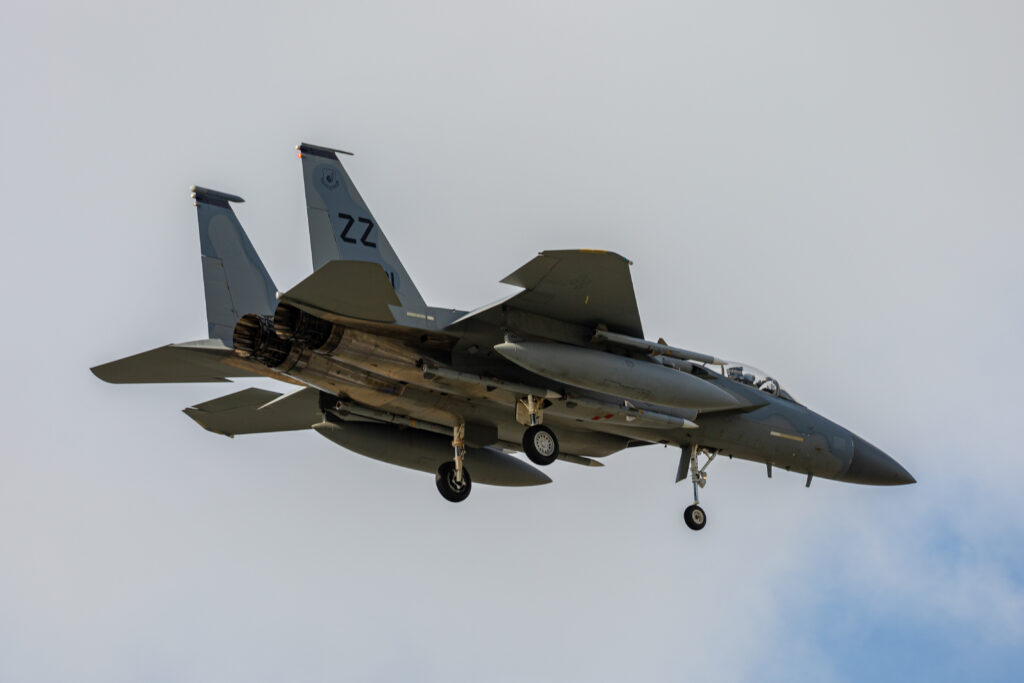
In return, Saudi Arabia has committed to providing air cover for those ground units — Royal Saudi Air Force jets flying close air support over territory where the Houthis have been advancing for weeks.
The Giants Brigades lost their Emirati funding stream in January, when the UAE abruptly halted its operations in Yemen and cut off the money. Restoring it would put the most capable southern units back in the fight, with Saudi warplanes overhead.
Why the two countries split — and why they’re coming back
The UAE’s withdrawal in January followed an open rupture. The Southern Transitional Council (STC) — a UAE-backed separatist movement that wants independence for the old South Yemen — tried under its leader Aidarous al-Zubaidi to seize control across the south and announce a secession referendum. Saudi forces responded by bombing arms shipments meant for STC fighters, Zubaidi fled to Abu Dhabi, and the Saudi-backed Yemeni government threatened to try him for treason.
That was the end of the coalition as it had existed for a decade. What is bringing Riyadh and Abu Dhabi back together is fear: Houthi forces have made rapid advances in recent weeks, and Saudi Arabia has been absorbing near-daily drone and missile attacks that have shut parts of its airports, hit energy facilities, and killed 12 people in a strike on Riyadh’s airport. Missiles have struck Aden airport twice and a presidential palace in Aden, the southern port city that serves as the Yemeni government’s provisional capital.
What it means beyond Arabia
For readers far from the Gulf, this is not a local feud. The Houthis have besieged Taiz, Yemen’s third city, and pushed toward Marib; if they consolidate control of the Bab al-Mandab strait, the chokepoint at the mouth of the Red Sea through which a significant share of the world’s oil and container traffic moves, the disruption would land on fuel prices and shipping costs everywhere. Brent crude has already pushed past $110 a barrel on attacks in the region.
There is also the wider war to watch. The Yemen conflict has become another front in the US-led confrontation with Iran, which backs the Houthis. Egypt’s president said on Saturday that Cairo was ready to help defend Saudi Arabia if asked. The coalition that fought this war for ten years is reassembling piece by piece — a sign the region’s rulers expect the fighting to get worse, not better.
What to watch
The deal is far from sealing a unified front. Neither Saudi Arabia nor the UAE has answered the southern separatists’ demand for an independence referendum, and the STC has not agreed to let its fighters operate beyond the borders of the old South Yemen. The Giants Brigades may be effective, but they cannot hold the north — and the Houthis have shown, again and again, that they can absorb air strikes and keep advancing.
Watch the skies over the south in the coming days. If Saudi jets start flying close support for UAE-paid brigades, the Guardian’s reporting will be confirmed — and the war’s most dangerous new chapter will have begun.
Read more: Five Missiles on the President’s Doorstep: Houthis Strike Aden’s Al-Maashiq Palace, Killing 5