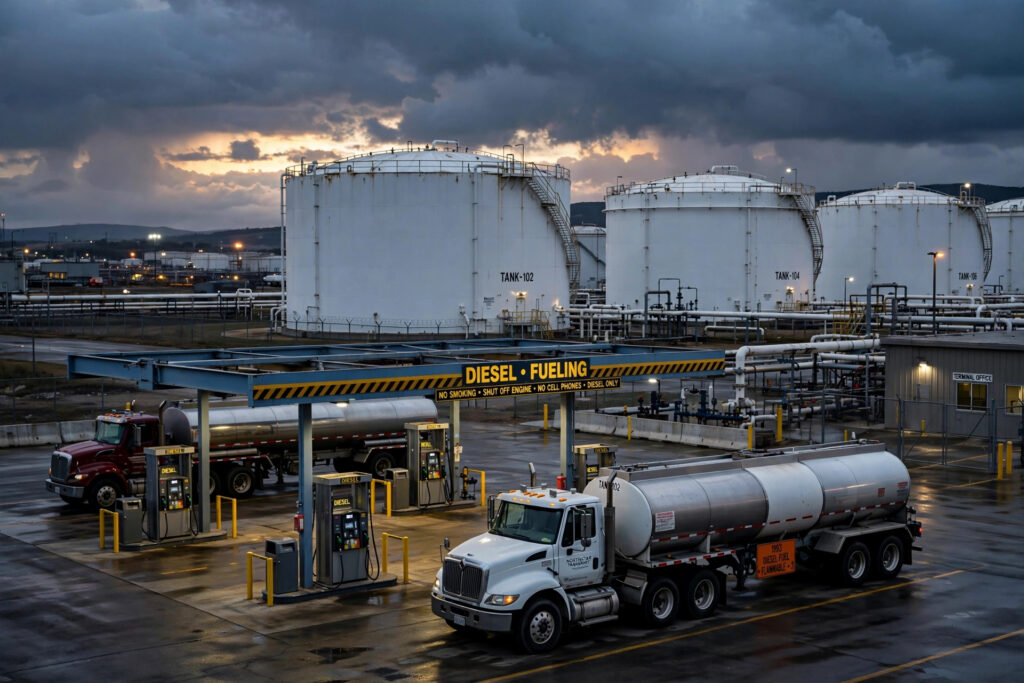
This autumn’s energy headline is not crude oil. It is diesel — the unglamorous fuel behind trucks, tractors, freight trains, and delivery vans. Diesel has been trading at record highs, and on Friday the world’s richest democracies decided they could not wait it out anymore. After an emergency meeting convened under France’s G7 presidency, the group agreed to release up to 100 million barrels of crude oil and diesel from strategic reserves over the next four months, coordinated by the International Energy Agency. The aim is plain: push fuel prices down before they drag the global economy somewhere worse.
What happened?
The deal was not polite. For days, the Trump administration had pressed France and Germany to release diesel from their emergency stockpiles, warning that the United States might otherwise restrict its own diesel exports to Europe. America is the world’s largest diesel supplier; a ban would have landed hard. In Brussels, officials saw it as more than pressure: “It would have triggered a severe supply crisis in the European Union,” and warned the threat was eroding trust in Washington as a reliable partner. In the end, Europe committed its reserves, and Trump withdrew the threat. “We have agreed that there will be no ban or restrictions on exports between G7 members,” French President Emmanuel Macron said after the talks.
Why does it matter?
Because this crisis has deep roots, and they keep tangling. Wars in the Middle East and Ukraine have battered supply. Russia, a major diesel producer, has curtailed exports after repeated Ukrainian strikes on its refineries. China has halted fuel exports. The International Energy Agency now expects world oil demand to fall by 2.5 million barrels a day this year as high prices crush consumption — a signal the shock is already biting.
Meanwhile the financial strain is compounding. The yield on the 10-year U.S. Treasury note touched 5.27 percent this week, its highest in years, pushing borrowing costs up across the economy. Fuel and finance — the two great shock absorbers of global commerce — are both flashing red at the same time.
What happens next?
One hundred million barrels will not repair any of this permanently. Reserves are a bridge, not a cure: they buy time while the underlying supply problems — damaged refineries, halted exports, wars that show no sign of ending — remain exactly where they were. The real test is what happens over those four months. If supply heals, the release looks like prudent crisis management. If it doesn’t, the G7 will face the same empty-tank question again, with less in the tank. For truckers, farmers, and everyone paying to move goods this winter, though, it could be the difference between a hard season and a ruinous one — and that is the part no spreadsheet captures.