What happened? The United Nations humanitarian office has documented 397 settler attacks in the occupied West Bank between October 1 and 26 that resulted in casualties or property damage — the highest monthly total since it began recording such incidents in 2006. The figure comes from OCHA’s October 29 humanitarian situation report, and it does not even include the final five days of the month.
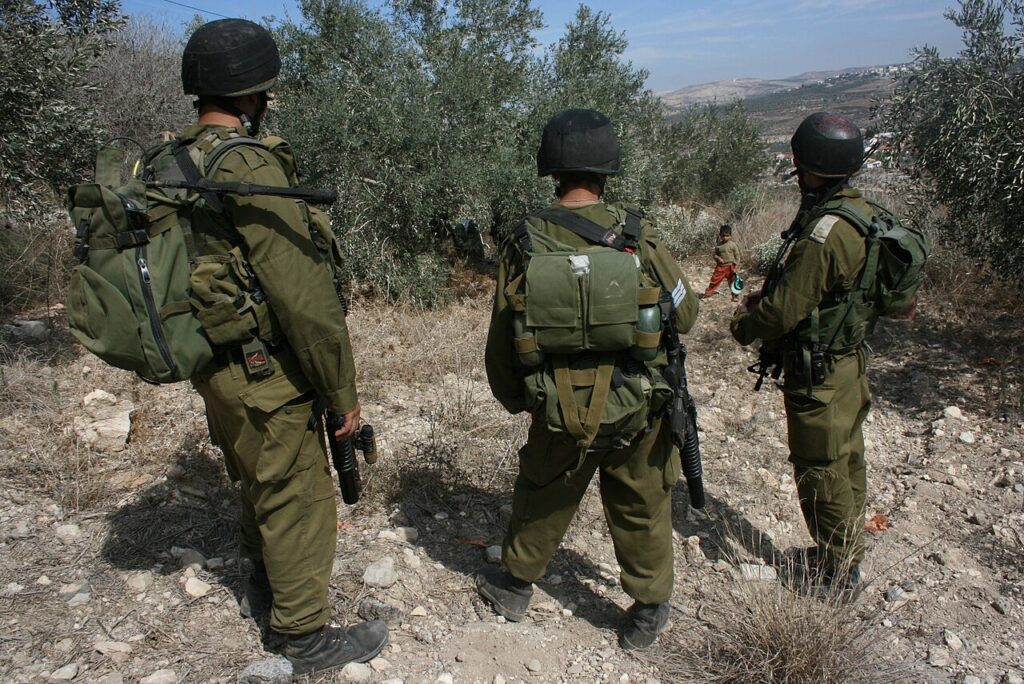
Why is October so bad? Because it is olive harvest season. Of the 62 attacks documented in the week of October 20–26 alone, across 49 communities, 38 were linked to the harvest — the weeks when Palestinian families head out to their groves and are at their most exposed. In that same week, 57 Palestinians were injured, including nine children: settlers injured 23 people and Israeli forces injured 34. The Ramallah governorate was the hardest hit, accounting for about 40 percent of the week’s incidents.
Do other counts agree? A Palestinian Authority body, the Colonization and Wall Resistance Commission, reported an even higher full-month figure on November 2: 1,369 settler attacks in October, more than double September’s 647, plus 1,764 attacks by Israeli forces — 3,133 combined. The two counts measure different things: the UN tally counts only attacks causing casualties or property damage, while the Palestinian commission counts a broader range of incidents, and its figures could not be independently verified. The direction of travel is the same in both.
What is the wider context? The West Bank has been under Israeli military occupation since the 1967 war. Around 160 settlements housing roughly 700,000 Israeli settlers now stand on land Palestinians want, along with Gaza, for a future state. In July 2024, the International Court of Justice issued an advisory opinion calling the occupation unlawful and saying the settlements should be evacuated. Settler violence has risen sharply since October 2023, and the olive harvest — when families must spend days in exposed groves — has repeatedly become the season when attacks spike.
Why does this matter beyond the West Bank? Because it tests whether international law still constrains anything on the ground. The UN documents, the court opines, and the harvest comes round each year with the same pattern — only worse. October’s record is not a statistical blip: it is what happens when a documented trend meets a season that puts victims in the open. The question now is whether the record month produces any consequence, or simply becomes next year’s baseline. For the families picking olives in villages like Kafr Quddum, that distinction is the difference between a harvest and a hazard.
The same week also saw about 3,000 Palestinians reportedly displaced during an Israeli forces operation in Hebron city, following a shooting attack in which two Palestinians killed two Israeli soldiers — a reminder that the violence runs in both directions, and that civilians on both sides pay for it. But the UN’s record figure concerns settler attacks specifically, and it stands on its own: the worst month in twenty years of counting, with five days still uncounted.