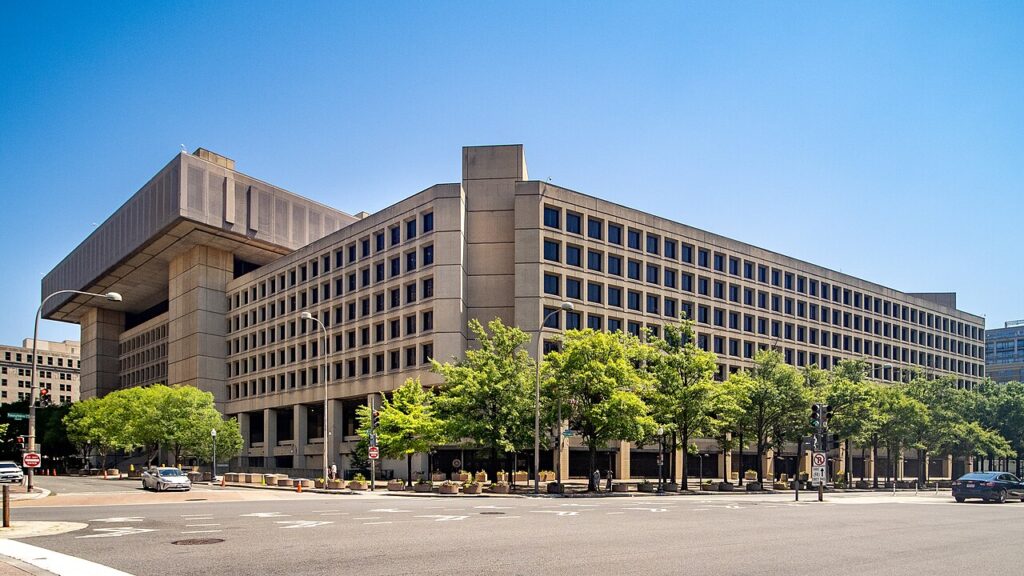
An employee at Louisiana’s election headquarters opened a letter on Tuesday and found white powder inside. By the end of the day, she had been taken to the emergency room as a precaution, her office had been evacuated, and federal agents were treating the incident as part of a national pattern.
The FBI confirmed Thursday that it is investigating a series of suspicious mailings sent to “various addresses nationwide, including Secretary of State offices and their related election offices” — some containing an “unknown substance.” The U.S. Postal Inspection Service and the U.S. Capitol Police are working the case with the bureau, and investigators have not said who might be behind the letters.
The net widens: 36 lawmakers, 10 states
The scale of the mailings has grown sharply since the first evacuations. As of Friday, at least 36 members of Congress had reported receiving suspicious letters at their offices, according to CNN, and election offices in at least ten states had received similar mail — with some estimates putting the total number of suspicious packages above 100.
On Capitol Hill, the targets included some of the Senate’s most prominent names: Majority Leader Chuck Schumer and Senators Chris Murphy, Alex Padilla, Lisa Blunt Rochester, and Kirsten Gillibrand all had suspicious mail intercepted before it reached them, their offices confirmed. Beyond the first three states, similar mailings were delivered or intercepted in Delaware, Wisconsin, New Hampshire, and Connecticut.
It remains unclear whether the letters sent to congressional offices and those sent to election offices are connected. No injuries have been reported in any of the incidents, and in at least six cases the substances were found to be non-hazardous — though officials stress that an unknown powder is treated as potentially hazardous until proven otherwise.
In the United States, secretaries of state are the officials who run elections in each state — the equivalent of an election commission’s chief office at the provincial level. Their offices, and the Senate offices in Washington, are the ones receiving these letters.
The letters have not stayed limited to state capitals. Senate offices in Washington were warned about the mailings in a notice from the Senate Sergeant at Arms, obtained by the Associated Press, which said law enforcement was working to intercept more letters — though “it is possible that some letters may reach their destinations.” A spokesman for Senator Alex Padilla of California confirmed that the FBI notified his office the Postal Service had intercepted a letter containing a suspicious substance mailed to one of Padilla’s offices.
Three weeks to the midterms
The timing is what has officials rattled. The midterm elections fall on November 3 — three weeks out. Voters will decide which party controls the U.S. Congress, and millions of ballots will move through the postal system in the coming days. Postmaster General David Steiner said Thursday the Postal Service was “absolutely ready” to handle that volume, with extended hours and expedited ballot handling.
Brendan Donahue, a deputy chief inspector with the Postal Inspection Service, said some letters had already been intercepted and were in law enforcement possession. “We are committed to protecting our nation’s election officials from threatening and dangerous mail,” he told reporters. “Any threat or attack on an election official is unacceptable.”
A threat with a history
America’s election workers have seen this script before. In 2023, election offices in several states received envelopes laced with fentanyl, the powerful opioid. Weeks before the 2024 presidential election, powder-filled packages arrived at election officials’ desks in at least six states. This week’s letters are a continuation of that pattern — and officials are treating them with the seriousness it has earned.
The National Association of Secretaries of State and the National Association of State Election Directors — the professional bodies that represent the officials now opening these envelopes — said they were “deeply concerned.” In a joint statement, they said threats against election workers “have no place in our democracy” and that “those who administer our elections should never fear for their safety while carrying out their essential duties.”
No injuries have been reported in any of the incidents so far, and the substance in the Louisiana letter turned out to be harmless. But as investigators chase down whoever is behind the mailings, election offices across the country — already braced for an unusually tense midterm cycle after the dawn raid on Congresswoman Ilhan Omar’s home three weeks before voting — are being told to stay vigilant. No arrests have been announced.
Why this matters
This story is not really about envelopes. It is about whether the people who count votes can do their jobs without looking over their shoulders. In country after country, the intimidation of election workers has become one of the earliest warning signs of democratic strain — Pakistan’s own election officials know the pressure of hostile campaign seasons well. When the U.S. goes through this weeks before choosing its Congress, the signal travels: the workers who make elections function are now targets, and the institutions around them are scrambling to keep them safe. How this investigation lands — and whether the threats stop — will shape how voters think about the safety of the vote itself.
What happened in each state
Louisiana came first. An elections employee in Baton Rouge opened the letter Tuesday, and the secretary of state’s office was evacuated for the day. Law enforcement tests later found no evidence of harmful substances, the office said — but by then, the pattern was clear.
Oklahoma followed within hours. The state’s election board received an envelope containing what board secretary Paul Ziriax called “suspicious white powder.” State troopers evacuated the office. “Thankfully, no one from the State Election Board staff was harmed as a result of this incident,” Ziriax said in a statement. “We want to assure Oklahoma voters that today’s incident does not impact our ability to conduct elections.”
Ohio got the closest call of all. A package addressed to Secretary of State Frank LaRose — a “powdery white substance,” in LaRose’s words — never reached his desk at all. Postal Service investigators intercepted it first. “Election officials should never have to fear for their personal safety while performing their duties, and there is no place in a peaceful democracy for violence, threats or acts of intimidation,” LaRose said. “These kinds of cowardly threats will not deter us from that mission.”




One Comment