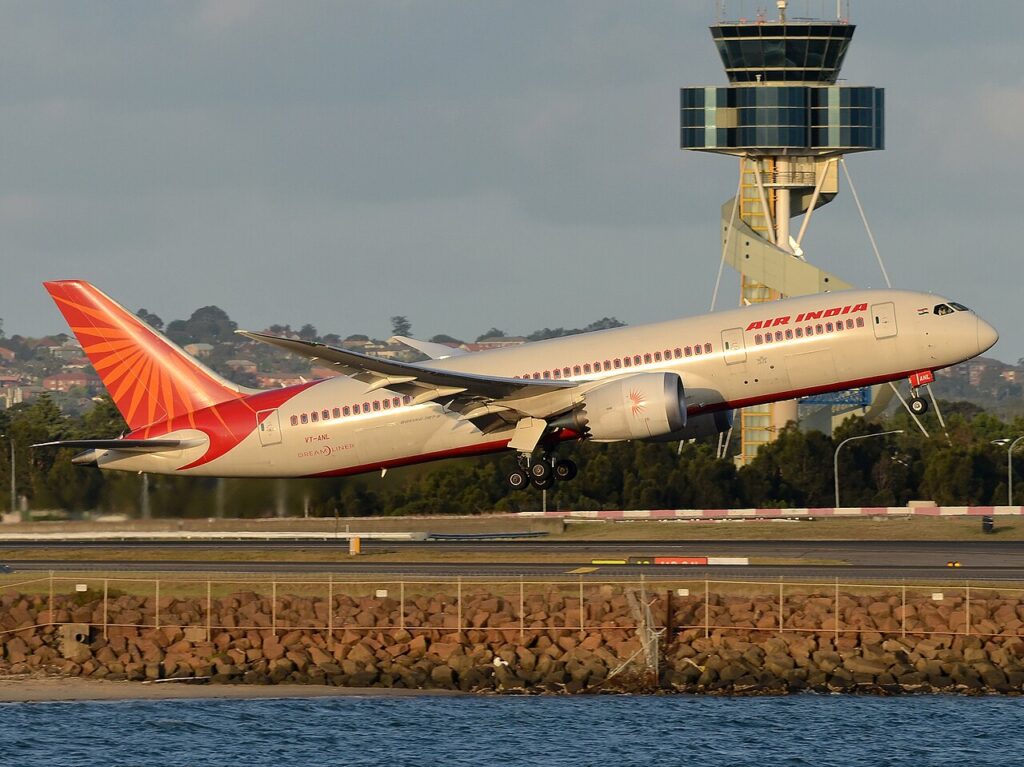
Pakistan has extended its ban on Indian aircraft using its airspace for another month, until November 24, 2026, prolonging a restriction that has forced airlines into longer, costlier routes for over a year and a half.
The Pakistan Airports Authority (PAA) announced the extension on Saturday, October 18, saying the restriction covers Indian-registered aircraft as well as planes owned, operated, or leased by Indian airlines — including military flights. A fresh Notice to Airmen (NOTAM) was issued to formalize the extension, which took effect at 7:45 PM Pakistan time on October 17 and runs until 4:59 AM local time on November 24.
The ban applies across both of Pakistan’s flight information regions — Karachi and Lahore — effectively sealing off the country’s entire airspace to Indian operators.
Roots in the Pahalgam crisis
The restriction was first imposed on April 23, 2025, in the aftermath of the Pahalgam terror attack in Jammu and Kashmir, which killed 26 people. India blamed Pakistan for the attack — an allegation Islamabad denied — and the incident triggered a sharp escalation between the nuclear-armed neighbors, including India’s Operation Sindoor.
India responded with a reciprocal move on April 30, 2025, closing its own airspace to Pakistani airlines. Both bans have been extended repeatedly ever since, becoming a semi-permanent feature of the strained relationship.
The cost to airlines
The airspace closure has had tangible commercial consequences. Indian carriers flying to Europe, the Middle East, and Central Asia must route around Pakistan, adding flight time and burning extra fuel. Industry reporting has documented the higher operating costs, which ultimately filter through to ticket prices and airline margins.
Pakistani carriers face the mirror-image problem on routes that would normally cross Indian airspace. The reciprocal nature of the bans means both countries’ aviation sectors are paying a price for the diplomatic standoff.
Why this matters
Airspace bans have become a recurring instrument of pressure between India and Pakistan — deployed during the 1999 Kargil conflict and again after the 2019 Pulwama crisis. Each time, the economic pain has fallen largely on civilian airlines and passengers rather than on the governments imposing them.
The latest extension, now stretching the restriction past the 19-month mark, signals that neither side sees a near-term thaw. For travelers and airlines, the longer detours are simply the new normal — until diplomacy catches up with aviation.
Sources: Deccan Herald; Airways Magazine (NOTAM details).