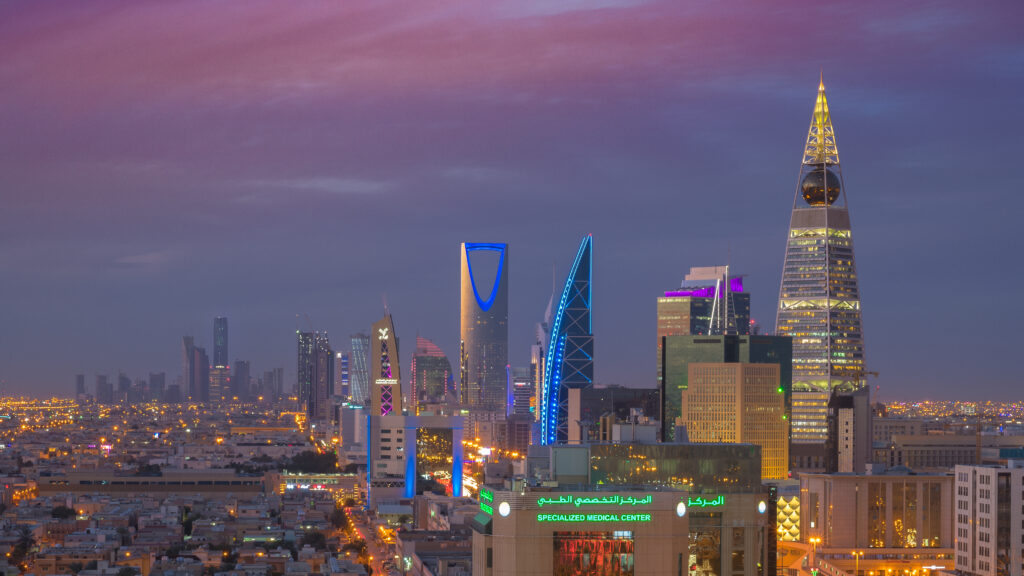
RIYADH, Saudi Arabia — The missiles were intercepted. The debris fell anyway — on a kindergarten and a medical complex.
Saudi Arabia’s civil defense agency said Thursday that wreckage from missiles shot down over Riyadh had damaged the two civilian facilities. It did not report casualties or describe the extent of the damage. Explosions rang out across the Saudi capital after the interceptions, and by nightfall one international school had moved its children into a basement.
The Saudi-led coalition said it had intercepted two missiles heading toward the city. The Houthis, the Iran-backed rebels who control Yemen’s capital, said their targets were Riyadh’s King Khalid International Airport. Their military spokesman, Yahya Saree, said three attacks were launched against the airport, and that missiles had also been fired at an airport in Najran and an airbase in Khamis Mushait, home to a major Saudi airbase in the southwest.
At Riyadh airport, the damage was visible. Witnesses saw smoke billowing from an aircraft on the tarmac. A plane belonging to national carrier Saudia had cracks and holes in its fuselage, according to two witnesses; a source briefed on the matter said three planes were damaged in all.
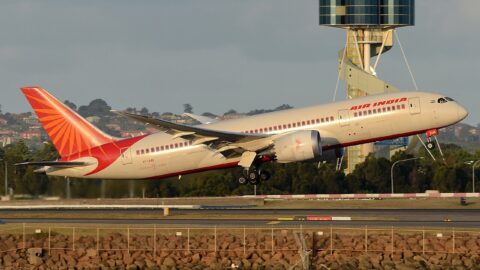
The airlines are leaving. Lufthansa and Air India both announced they were suspending flights to Riyadh after the attacks — a decision that tells you, more bluntly than any government statement, how serious the aviation threat has become.
In Riyadh itself, the safety net tightened. Diplomats were instructed to stay inside their embassies. International schools raised their alert levels, and at one school, administrators herded children down into a basement while the interceptors were still in the air. A parent told AFP her daughter called her from the school, “completely distraught.” The United States urged its citizens in Saudi Arabia to exercise “heightened vigilance.”
Then came the threat that markets will read most carefully. The Houthis warned workers to evacuate Saudi Arabia’s oil facilities — a direct escalation that followed, days earlier, an attack on a major refinery south of Riyadh. The world’s largest crude exporter is now publicly being told its energy infrastructure is on the target list.
The violence has been building all week. Saudi authorities said Wednesday that three people had been killed in strikes on Riyadh airport and Abha airport in the southwest. The Houthis say they are striking the kingdom over its backing of Yemen’s UN-recognized government forces in a civil war that reignited in July. Riyadh says it is supporting an offensive to take territory back from the rebels.
The kingdom is now looking for help. Saudi Arabia has asked allies — including Turkey and Pakistan — for support, even if only in a logistical or defensive capacity, as it tries to reverse Houthi gains in southwest Yemen, near the southern entrance to the Red Sea. There are reports that Syria is considering deploying troops to assist Saudi Arabia.
Why this matters
The Houthis keep losing their missiles to Saudi air defenses. And yet they keep winning the argument. An intercepted missile that still drops debris on a kindergarten achieves almost the same thing as a direct hit: it brings the war into a capital city, closes airspace, moves children into basements, and forces two international airlines to stop flying. Each interception costs millions of dollars. The debris costs nothing.
But the oil warning is the real escalation. Houthi attacks on airports disrupt and frighten; attacks on energy infrastructure strike at the foundation of the Saudi state and the global oil market at once. The group hit a refinery south of Riyadh days ago. Now it is telling oil workers to leave before the next one. This is no longer a border skirmish with Yemen — it is a campaign to shut down Saudi airspace and energy exports together, and every day it continues, the pressure grows on Riyadh’s allies to either step in or step aside.