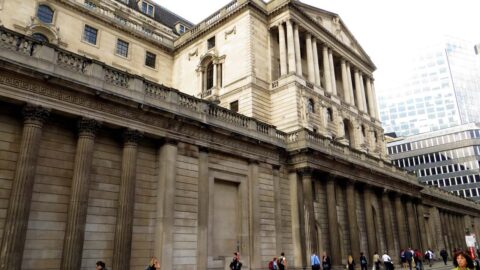
SYDNEY — Australia’s central bank raised interest rates on Tuesday to their highest level in 18 years, lifting its benchmark cash rate by a quarter of a percentage point to 4.85 per cent as inflation proved harder to shift than it had forecast.
The Reserve Bank of Australia — the country’s central bank, which sets the cash rate that guides what banks charge borrowers and pay savers — announced the decision at 2:30 p.m. Sydney time. It is the fifth increase of 2026, following rises in February, March, May and September, and takes borrowing costs to their highest since 2008, before the global financial crisis.
The decision was not unanimous. Six members of the bank’s Monetary Policy Board voted for the rise; three wanted to hold the rate at 4.60 per cent. The new rate takes effect on Wednesday 4 November.
The numbers behind the move were uncomfortable reading for the bank. Headline inflation ran at 4.3 per cent over the year to the September quarter, up from 4.0 per cent in August, while the bank’s preferred underlying measure — trimmed mean inflation, which strips out the most volatile price swings — accelerated to 3.7 per cent, well above the bank’s 2 to 3 per cent target band and above its own earlier forecast. Petrol prices, up 9.4 per cent, did much of the damage, according to Australia’s Bureau of Statistics consumer price figures.
“Inflation remains elevated and recent data indicate that it is broadly based,” the bank said in its statement. “The Board will continue to do what it considers necessary to bring inflation sustainably back to target.”
The bank also tore up its old timetable. Inflation is now expected to stay above 3 per cent through much of 2027 and not return to the top of the 2 to 3 per cent target range until late 2027 — about three quarters later than it projected in August — with headline inflation now forecast to peak at 4.5 per cent in the December quarter. Growth forecasts were softened.
For households, the arithmetic is immediate. Once lenders pass the rise on, repayments on a typical A$600,000 variable home loan rise by roughly A$99 a month, and the five increases of 2026 together have added around A$537 a month to such a loan. The bank’s statement, however, dropped a previous reference to raising rates further if needed — a small softening that markets seized on. The Australian dollar slipped after the announcement, and traders strengthened bets that the bank will hold at its final meeting of the year, on 8 December.
The split vote matters because it exposes the argument inside the bank itself. The majority judged that, with inflation expectations at risk of becoming embedded, waiting until December would cost more than acting now. The three dissenters weighed unemployment at 4.7 per cent, falling house prices, and a full percentage point of tightening yet to work through loans.
Australia is now the outlier among the world’s big central banks. The United States Federal Reserve held its rate at 3.75 to 4 per cent at its latest meeting, a decision covered here last week, while New Zealand’s central bank paused and Japan’s left its rate unchanged. That divergence is itself a signal: where other central banks judge the inflation fight largely won, Australia’s bank is telling borrowers it is not.
Why does a rate decision in Sydney matter beyond Australia? Because the forces driving it are familiar everywhere. The bank blamed higher fuel and commodity prices linked to the Middle East conflict, alongside tighter domestic capacity, for pushing its forecasts higher — the same energy-driven price pressure squeezing households in Europe, Asia and North America. Australia is effectively a test case for whether central banks can squeeze out that kind of imported inflation without tipping their economies into recession. If a bank hiking for a fifth time cannot say when inflation will return to target, the last stretch of the fight is proving the hardest.
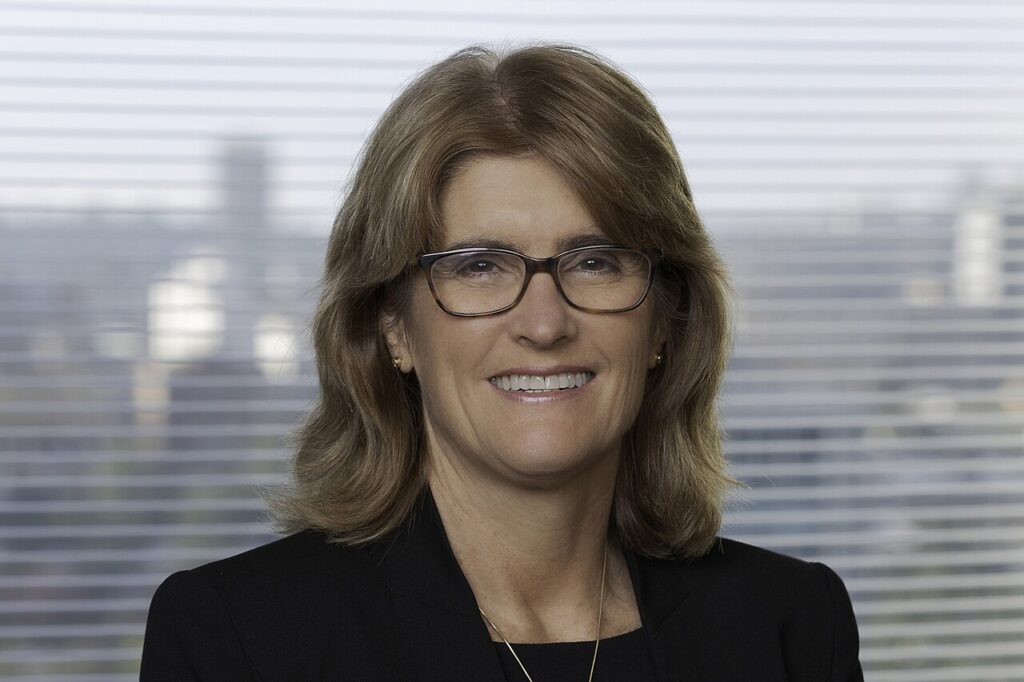
Governor Michele Bullock, who fronted a press conference after the announcement, now faces the December meeting with the same question hanging over it. The bank has not promised another rise, and it has not ruled one out. What it has done is buy itself time at a price — higher repayments for millions of households, in exchange for a clearer shot at getting inflation back inside its target band. Readers wondering what a rate rise actually does to a mortgage, savings and everyday prices will find that trade-off explained in our earlier guide.