The Black Sea woke up to its second drone attack in a week. Overnight, unmanned aircraft fell on two commercial vessels sailing just outside Bulgarian territorial waters. One ship went down. Eleven sailors are missing. And for the first time in this creeping campaign against Black Sea shipping, Sofia has decided to treat it as a diplomatic crisis — summoning the Russian ambassador and taking the matter to NATO.
What happened
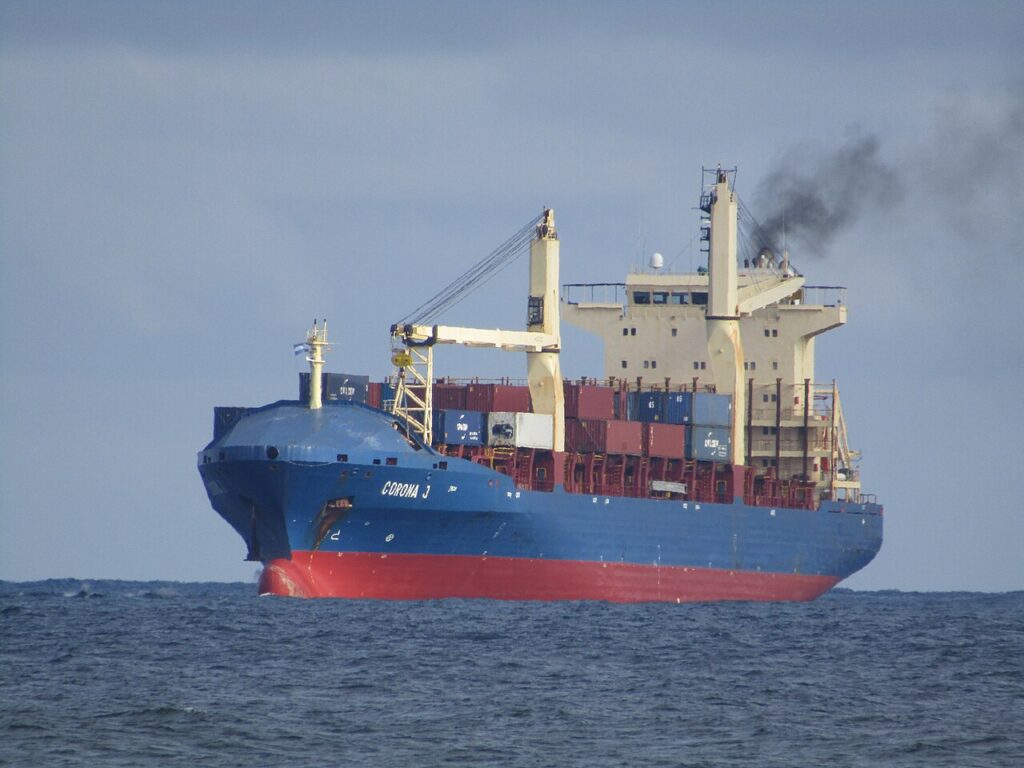
The first distress call came at 1:30 in the morning local time. The Chelsea 3, a 136-metre general cargo vessel owned in Ukraine and sailing under the flag of Malta, was en route from Giresun in Türkiye toward Giurgiulești in Moldova when three aerial drones struck its deck and hull, about 18 nautical miles east of the Bulgarian coastal town of Byala. Bulgarian border police and maritime rescue units evacuated all 15 crew members — seven Ukrainians and eight Azerbaijanis — to the port of Varna. Five sailors were treated for minor injuries.
The second attack struck another vessel about 17 nautical miles east of Krapets. That ship sank. One crew member was pulled from the water alive; five others were rescued, but eleven sailors remain missing, with search teams still combing the area. Bulgarian media identified the sunken vessel as the cargo ship Azov Concord.
Sofia’s response
Prime Minister Rumen Radev spoke in a televised address, calling the strikes “absolutely unacceptable — another attack in the immediate vicinity of Bulgarian territorial waters.” He said Bulgaria had no conclusive evidence identifying who carried out the attacks, but added that the outcome, in his words, benefits the Russian Federation. Radev said he would summon the Russian ambassador for a meeting and planned to speak with NATO Secretary General Mark Rutte. Bulgaria is also asking for NATO and European Union support in investigating where the drones came from.
Condemnation followed quickly. European Commission President Ursula von der Leyen said the Black Sea had become another front in the escalation of Russia’s war against Ukraine and that those responsible should be held accountable. Ukraine’s Foreign Minister Andrii Sybiha accused Moscow of deliberately disregarding civilian lives, calling the sea a lifeline for global food security.
A pattern, exactly a week old
The timing is hard to ignore. Exactly one week earlier, on the morning of October 6, sea and aerial drones struck two other commercial vessels inside Bulgaria’s exclusive economic zone — the first drone strikes of their kind in those waters. A Togo-flagged ship sank and a Bulgarian ferry evacuated all 18 crew members from a Palau-flagged vessel. Ukraine denied conducting any operations near those sites and blamed Russia; Moscow said nothing.
Readers will remember last week’s strikes — but this is the first time the campaign has produced a casualty count this severe, and the first time Sofia has named a diplomatic price.
Why this matters
Two sinking incidents in seven days change the arithmetic of the Black Sea war. Merchant insurers, who price the risk of every grain shipment out of Ukraine’s ports, do not need much convincing that this corridor is becoming untenable — and the Black Sea is the main artery for Ukrainian grain reaching world markets. Bulgaria is a NATO member; it does not border Ukraine or Russia, but its coast sits at the mouth of the corridor every outbound ship must pass. Each unattributed strike narrows the gap between a shadow campaign and a direct confrontation with the alliance. When a NATO prime minister says he will put the matter to the alliance’s secretary general, the subtext is clear: Sofia wants to know exactly how much more of this is tolerable before “unacceptable” requires an answer rather than a statement.
The war is also spilling outward in other ways — Ukraine’s campaign against Russian energy infrastructure has intensified in recent days, and Washington’s posture toward the region keeps shifting. Eleven missing sailors give this latest incident a human ledger that diplomatic language cannot absorb. Search teams are still on the water off Krapets. Their chances diminish with every hour.