Riyadh was supposed to host one of Europe’s most important diplomatic gatherings this month. Instead, on Friday, the city’s international calendar looked more like a cancellations board.
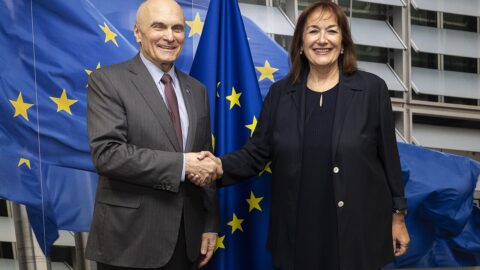
The European Council announced on Thursday that the second summit between the European Union and the Gulf Cooperation Council — scheduled for October 24 in Riyadh, Saudi Arabia — has been postponed, with a new date to be announced later. The summit was meant to bring together the EU’s 27 leaders with the heads of the six Gulf states (Bahrain, Kuwait, Oman, Qatar, Saudi Arabia and the United Arab Emirates) and act as a catalyst for trade and security ties at a moment when war in the Middle East is battering Gulf economies and threatening Europe’s energy supplies.
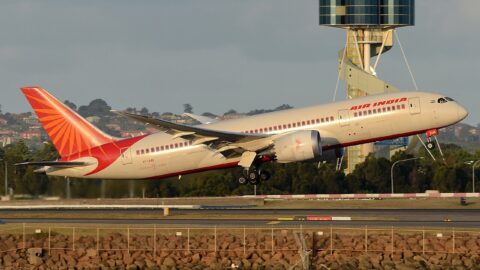
Brussels did not name a reason in its official statement, but the context is hard to miss. Saudi Arabia has come under sustained attack from Yemen’s Houthis — an Iran-aligned rebel group that has been fighting the Saudi-backed Yemeni government since 2015 — including a strike on Riyadh’s international airport earlier this month that was the kingdom’s deadliest in years.
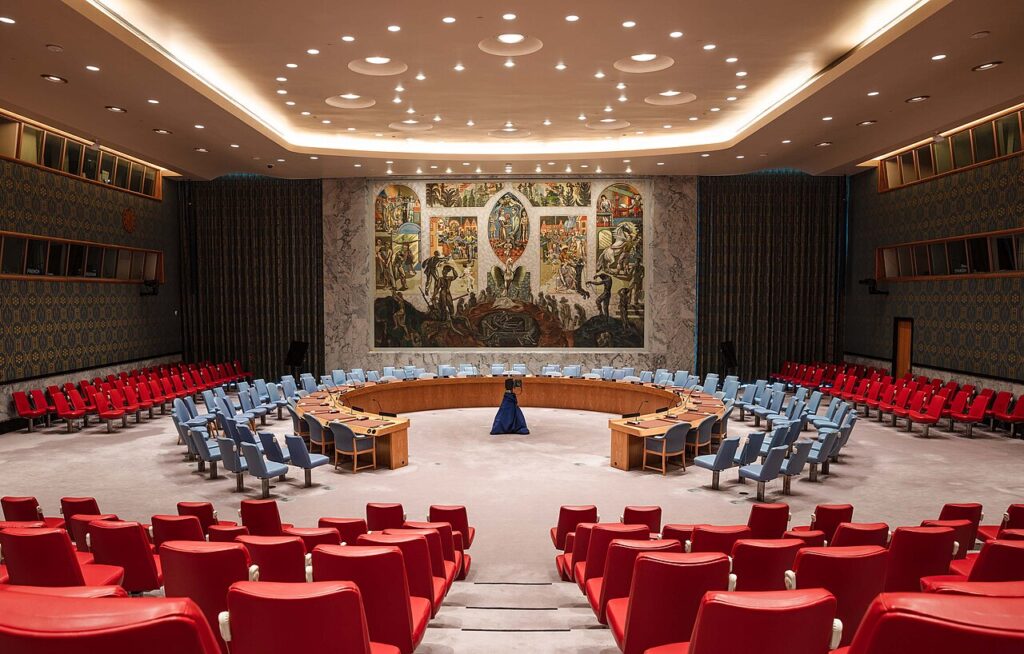
The same day, the UN Security Council issued a joint statement condemning what it called “escalatory” Houthi attacks on Saudi Arabia, including “reckless strikes” on Riyadh’s airport, and affirmed what it described as Saudi Arabia’s inherent right of self-defence. The statement, shared by the council’s president, Greece’s Evangelos Sekeris, also condemned continued Houthi attacks and threats against commercial shipping in the Red Sea and the Bab al-Mandab Strait — the narrow waterway at the southern tip of the Red Sea through which a huge share of the world’s oil and container traffic passes.
For a body that has spent most of this year deadlocked over the region’s wars, unanimity is itself the news. All 15 council members signed on.
The diplomatic retreat is only the latest in a string of cancellations. The Asian Tour on Thursday postponed its season-ending PIF Saudi International — a $5 million flagship tournament backed by Saudi Arabia’s sovereign wealth fund — which was scheduled for November 18 to 21 at the Riyadh Golf Club. “The PIF Saudi International is one of the most important events on the Asian Tour calendar and we look forward to seeing our players compete in Riyadh in the future,” Asian Tour Commissioner Cho Minn Thant said. No new date has been announced.
That followed the Six Kings Slam tennis exhibition being pushed from next week to December, the postponement of three Saudi Pro League football matches — including one involving Cristiano Ronaldo’s Al Nassr — and the WTA Finals being moved from Riyadh to Indian Wells in the United States.
The numbers behind the fear are stark. Saudi-led coalition spokesman Turki al-Maliki said this week that the Houthis had launched 20 attacks on King Khalid International Airport in Riyadh this month alone, killing 17 people and wounding 333, with further attacks on Abha airport in the country’s southwest killing three more. The coalition says it has destroyed 127 Houthi weapons storage facilities and launch platforms inside Yemen in response.
There is also a religious red line being tested. On Thursday the coalition said it had intercepted a cruise missile in the Medina region — home to one of Islam’s two holiest cities. The Houthis denied carrying out any attack there, insisting they had previously vowed to spare the holy cities of Mecca and Medina. The claim and the denial landed within hours of each other, and neither side offered evidence.
The fallout is reaching beyond governments and sports. At the United Nations, India expressed solidarity with Saudi Arabia during the Security Council’s quarterly open debate on the Middle East, with its permanent representative P. Harish condemning attacks on civilian infrastructure and noting that an Indian citizen — IT engineer Mohammad Yousef Ali of Hyderabad, who was on pilgrimage — was killed in the airport attack.
Why this matters beyond Saudi Arabia
This is no longer just a Yemeni civil war spilling across a border. When the EU postpones a leaders’ summit and the Security Council speaks with one voice, it signals that the conflict is now treated as a systemic risk — to energy markets, to global shipping, and to the diplomatic architecture that depends on predictable venues and safe travel.
The precedent is worrying. Saudi Arabia has spent years and billions of dollars positioning itself as a destination for global sport, investment and diplomacy — the golf, tennis and football now being postponed are the showcase pieces of that strategy. If insurers, airlines and event organisers keep pricing the kingdom as a war zone, the reputational damage could outlast any ceasefire. Watch what happens to the Future Investment Initiative and whether carriers like Qatar Airways restore their Riyadh schedules: those will be the first real signals of whether the world believes the fighting is ending, or only beginning.