A marine tug sailing south past the United Arab Emirates’ east coast was struck by two projectiles of unknown origin on Sunday, the British navy’s UK Maritime Trade Operations agency said — the latest sign that violence against commercial shipping is spreading across Middle East waters.
UKMTO reported the incident northeast of Khor Fakkan, a port city on the UAE’s Gulf of Oman coast. The tug sustained damage, one person aboard suffered minor injuries, and the vessel continued on its route, according to UKMTO. The agency said it was investigating and urged vessels to transit the area with caution. Neither the tug nor the injured crew member was identified.
Khor Fakkan is the UAE’s container-and-bulk gateway on the Gulf of Oman side of the peninsula — the waters ships use to reach Fujairah, the region’s biggest bunkering hub, and the mouth of the Strait of Hormuz. Unlike the Strait itself, where tankers have been trading missiles and mines for weeks, the Gulf of Oman has been the quiet corner of this crisis. Not anymore.
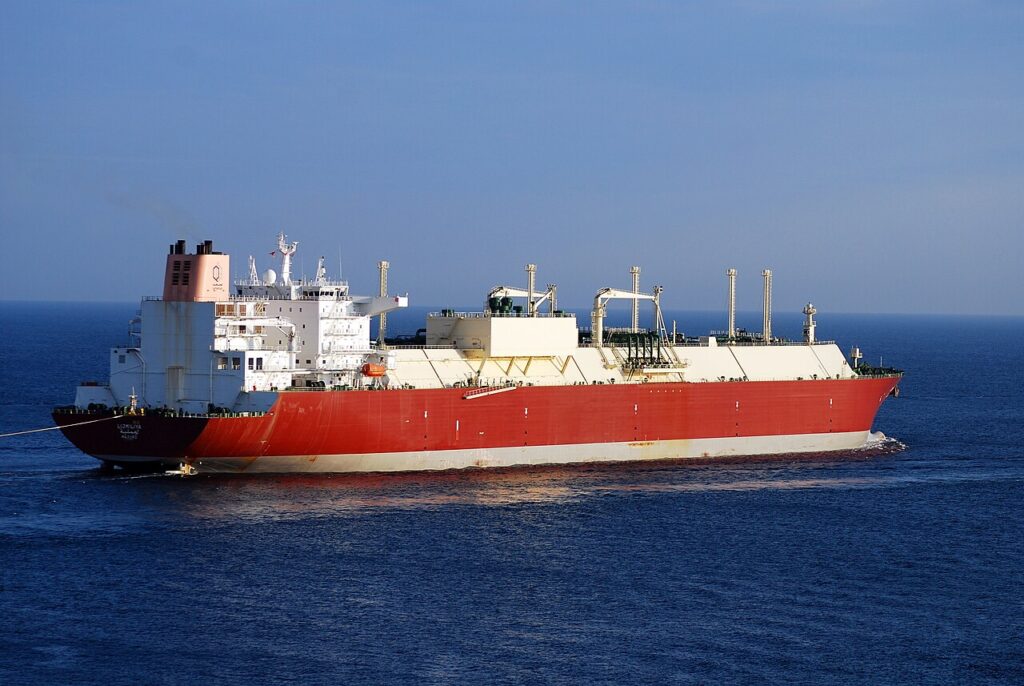
The attack came a day after a very different kind of confrontation near Yemen. On Saturday, the master of a liquefied natural gas carrier about 140 nautical miles southwest of the Yemeni port city of Al Mukalla reported that a small skiff carrying seven people approached the vessel and fired two shots at it. The tanker’s embarked armed security team answered with two warning shots, and the skiff altered course. No damage or injuries were reported in that incident, which UKMTO logged as WARNING 176-26.
The two incidents bookend a violent week at sea. Earlier this week, two very large crude carriers were attacked off Saudi Arabia’s coast near Al Jubail — one hit by an unknown projectile, the other by a rocket-propelled grenade fired from a small boat. And Iran’s Revolutionary Guard claimed this week that a second supertanker had struck one of its naval mines in the Strait of Hormuz, a claim the US military disputes. What is not in dispute is the pattern: tankers, tugs and now an LNG carrier, across waters from Yemen’s southern coast to the Gulf of Oman and the Strait of Hormuz.
That pattern is what makes Sunday’s attack notable. Khor Fakkan sits well outside the zones that have absorbed most of this month’s violence. The UAE’s eastern seaboard, opening onto the Gulf of Oman, has until now been largely quiet while the shooting has been concentrated around the Strait of Hormuz, the Saudi coast near Al Jubail and the waters off Yemen. A projectile strike there suggests whoever is behind these attacks — and nobody has claimed responsibility for Sunday’s — is widening the map.
The commercial consequences are already mounting. Ship operators and insurers are rerouting vessels, adding onboard security and paying higher premiums, costs that eventually land on consumers everywhere. Energy markets have been living with this fear for weeks: oil prices surged past $110 a barrel on Friday as the shipping attacks multiplied.
Washington is framing the standoff as its case for the naval presence. Speaking at a town hall, Vice President JD Vance said petrol prices in the United States would be “three times as high if it weren’t for the US Navy keeping oil and gas moving out of the Strait of Hormuz,” and accused Iran of “trying to completely choke off world energy supply.” For its part, the US military said this weekend that 97 per cent of vessels seeking to transit the Strait of Hormuz had passed through safely despite Iranian projectiles, and that the waterway remains open.
That reassurance may ring hollow for the crew of a tugboat now steaming south with a dent in her hull and an injured shipmate. For sailors in the region, the map of dangerous water keeps getting bigger — and the attacks keep finding new targets.