RIYADH: Fifteen minutes before kickoff at Al-Awwal Park on Monday night, the phones of thousands of football fans lit up with a warning that had nothing to do with the game. Saudi Arabia’s National Early Warning Platform had issued an alert over a possible incoming threat — and the AFC Champions League Elite clash between Al-Nassr and Uzbekistan’s Neftchi Fergana ground to a halt before it began.
The match had been scheduled for 9:15pm local time. Instead of players walking out, the stadium loudspeakers carried an announcement urging spectators to stay calm and remain in their seats. There was no order to evacuate. “Dear spectators, due to a civil protection alert, please stay calm and remain seated. There is nothing to worry about — the match will begin shortly,” the announcement said.
The wait lasted about an hour. Coalition spokesman Major General Turki al-Maliki later said a Houthi ballistic missile fired toward Riyadh had been intercepted mid-air. Civil Defence followed its warning alert with a second message — the threat had passed — and the match was cleared to go ahead.
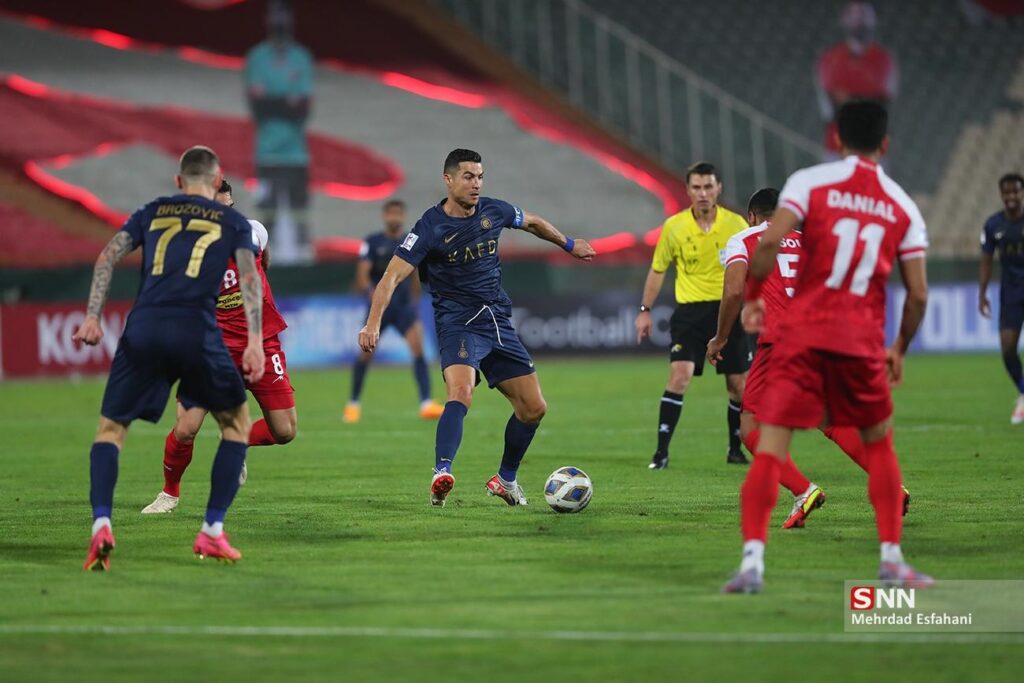
Kickoff finally came at 10:15pm. What followed was, on the pitch at least, routine: Cristiano Ronaldo scored Al-Nassr’s second goal and the Saudi side went into half-time 2-0 up. Nothing untoward happened inside the stadium during the game.
The delay is the latest sign that Yemen’s Houthis have carried their campaign into the rhythm of everyday Saudi life. For the past week the group has targeted the kingdom’s airports and oil installations. On Saturday, a missile strike on King Khalid International Airport killed 13 people and wounded more than 300, according to Saudi officials — CCTV footage released by the authorities showed Umrah pilgrims waiting in the departure lounge as part of the ceiling came down. On Sunday, another strike killed a Pakistani national and wounded 11, and the airport was shut by notice until at least October 17. The Houthis claimed a direct hit on the airport and a drone attack on the Khamis Mushait airbase in the southwest; Saudi officials have not confirmed the second claim.
The disruption has spread well beyond the stadium. The World Petroleum Congress underway in Riyadh has been hit by withdrawals, with the chief executives of BP and Shell among those staying away, and Saudi civil aviation says hundreds of flights have been cancelled because of the airport closure. Saudi Arabia has also been seeking help replenishing its missile-interceptor stocks as the attacks continue.
There is a reason a delayed football match matters more than the scoreline suggests. Thousands of spectators receiving a missile warning on their phones, in their seats, waiting for Cristiano Ronaldo to walk out — that is what escalation looks like when it leaves the realm of military statements and enters a capital’s daily life. Saudi Arabia is due to host the 2034 FIFA World Cup, and a Champions League night stopped by a security alert sends a message far beyond Riyadh: the missiles may be intercepted in the sky, but their shadow is falling on the ground. With the world’s most famous footballer on the pitch, the story stopped being a military bulletin and became something human — and that may be the truest measure of how sharp this crisis is getting.