On Saturday evening, the skies over Barcelona turned violent. By the time the rain stopped on Sunday afternoon, two people were dead, one was missing, and the northeastern corner of Spain was counting the cost of a storm its own weather service called exceptional.
Saturday, 8 p.m. — the red alert goes out
Catalan authorities issued a red alert warning Saturday evening, urging residents to stay indoors from 8 p.m. until 2 p.m. Sunday. The reason was a weather system the regional weather service Meteocat warned could behave like a “mini-hurricane” moving over land.
“Mini-hurricane” isn’t an official meteorological category — it’s how forecasters describe small, intense Mediterranean storm systems, sometimes called medicanes, that can dump months of rain in hours. This one did exactly that.
Meteocat director Sarai Sarroca said the core of an exceptional weather system was sitting over the Mediterranean, aimed at the Catalan coast.
Saturday night — the deluge
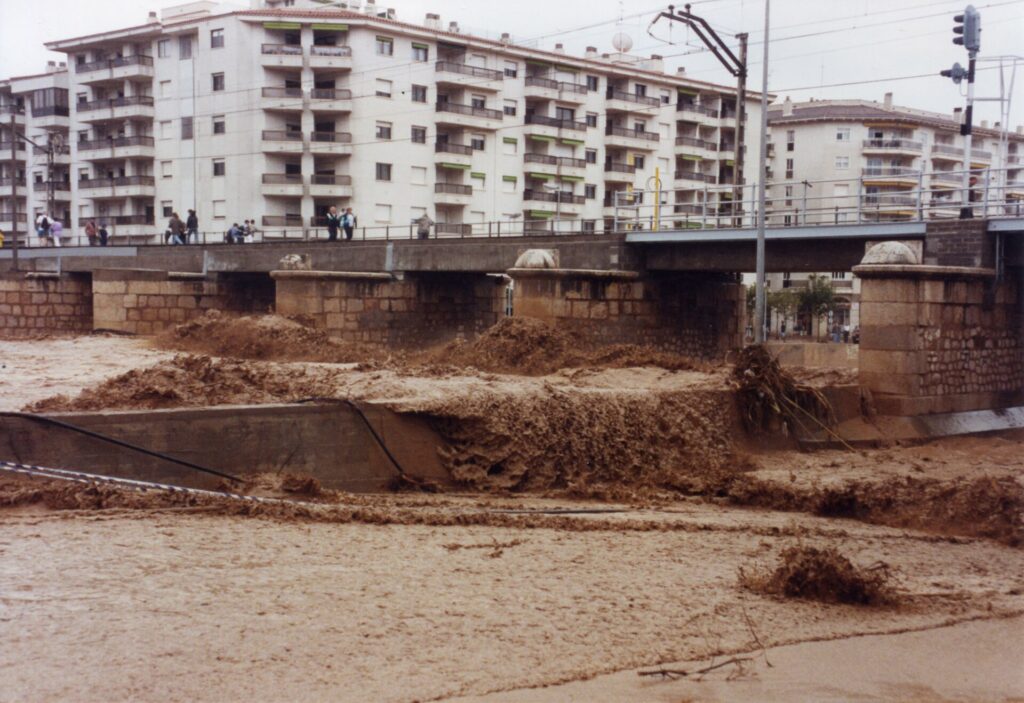
Torrential rain hammered Barcelona and its suburbs through the night. Homes flooded in Bellvitge and Cornellà, cars sat submerged in streets, and ducks were spotted swimming in vast puddles that formed on the city’s motorways. At Barcelona airport, flights were cancelled or delayed. Every local train line was disrupted. Shops shut early. Football matches were called off. At the Liceu opera house, a performance of Verdi’s Aida was cancelled — a measure of how seriously the city took the warning.
Sunday — the toll
As the water receded on Sunday, the damage became human. Catalan leader Salvador Illa confirmed on social media that a man had died in Tordera, north of Barcelona, after a wall collapsed. Firefighters reported another death in Montornès del Vallès. Emergency services were still searching for a missing person in Pineda de Mar, a town about 52 kilometres north of Barcelona.
Why this keeps happening
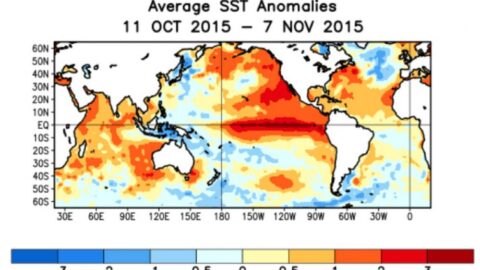
Catalonia sits on the front line of Europe’s new flooding problem. A warmer Mediterranean evaporates more moisture into the air, and when autumn storm systems stall over the coast, that moisture falls all at once on cities built for drier centuries. This was the same weekend a separate system was lashing other parts of the Mediterranean — the pattern meteorologists have been warning about for a decade.
The questions for Catalonia now are practical ones: whether the red-alert system worked — most residents did stay home — and whether drainage infrastructure designed for a different climate can survive what the new one delivers. The next medicane won’t ask permission.