France’s Anti-Terror Prosecutor Takes Over the Trappes Shooting
France’s national anti-terrorism prosecutor has formally taken charge of Friday morning’s drive-by shooting in the Paris suburbs, after Interior Minister Laurent Nuñez visited the scene and declared the attack “clearly a terrorist crime” and “an extremely grave act.”
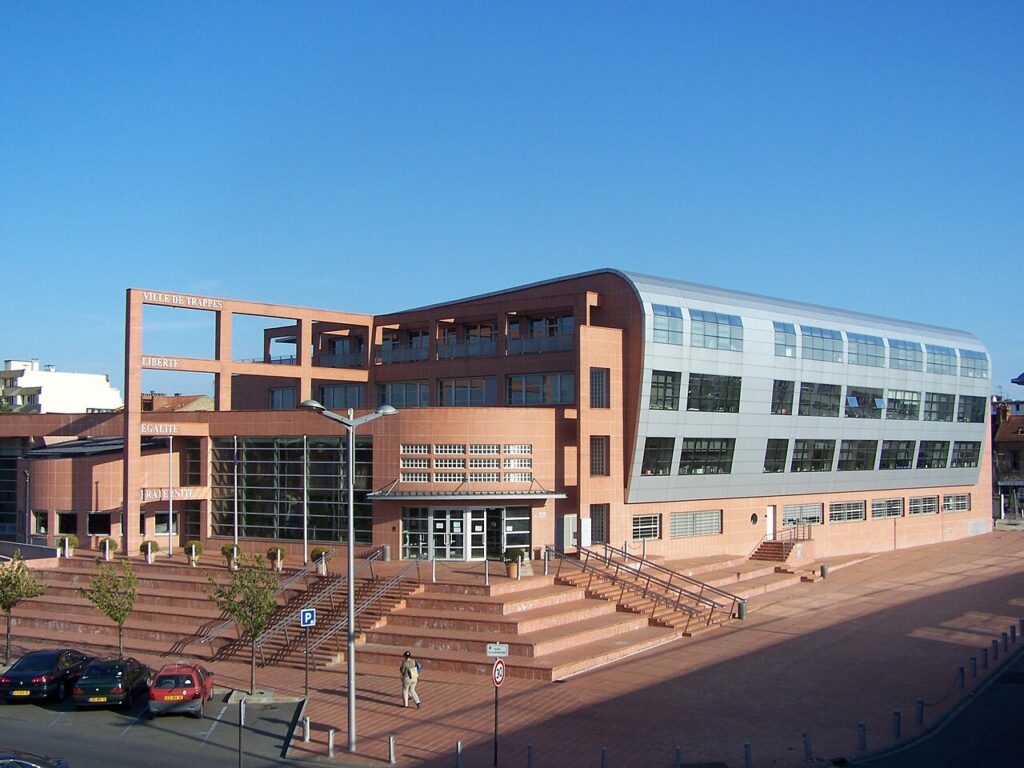
The attack began at around 10:30 am local time (0830 GMT) in Trappes, about 20 kilometres west of Paris, when a 39-year-old man opened fire from his car on people he encountered. The shooting spree continued into the neighbouring town of La Verrière. One person was killed and four others were wounded.
Among the wounded is a 12-year-old girl. French broadcaster BFM reported she was hit eight times; Nicolas Dainville, the mayor of La Verrière, said her condition has stabilized.
Trappes Mayor Ali Rabeh told BFMTV the gunman drove through several neighbourhoods, firing from his vehicle “in a relatively random manner” at passersby. “He wanted to cause carnage,” Rabeh said. The mayor described the targets as a petrol station, a medical facility and a playground, and said two of the victims were of African and North African origin respectively. “It is a miracle that there were not more victims,” he said.
The suspect was arrested shortly afterward in the nearby town of Coignières. Police sources identified him as Kevin T., a 39-year-old resident of the nearby town of Plaisir. He was known to police for previous traffic offences but was not flagged on any intelligence-service watchlist. He had fired what the interior minister described as a military-grade or automatic weapon.
The National Anti-Terrorism Prosecutor’s Office (PNAT) — France’s specialist body for terrorism cases — opened a formal investigation for murder in connection with a terrorist enterprise, along with attempted murder, possession of a Category A weapon, and criminal association with a terrorist enterprise. Prosecutors said they are examining whether the acts targeted the victims’ real or perceived race, ethnicity, nationality or religion — a racial-aggravation clause that sits at the centre of the case.
“We would like to thank our law enforcement agencies, which have already taken the suspect into custody. The National Anti-Terrorism Prosecutor’s Office has taken over the case,” President Emmanuel Macron said in a post on X, expressing what he called deep emotion after the attack. Prime Minister Sébastien Lecornu called the case “very serious” and said “all resources of the security forces and the judiciary are fully mobilized.”
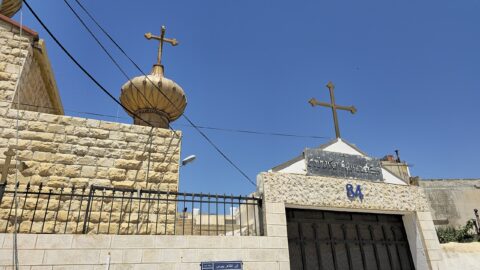
The shooting comes as France is braced for another weekend of mass protests against the high cost of living. It was also the second shooting in a single day to draw a terrorism investigation: hours later, gunmen opened fire at a church funeral in Jordan, an attack King Abdullah II likewise condemned as a “terrorist act.” Last Saturday’s demonstrations produced some of the worst street violence the country has seen in recent years, and the government has deployed a significantly larger security presence for Saturday, with major museums closing their doors. Reuters noted that some on the far right had blamed immigration for last weekend’s violence — a political backdrop that investigators will now have to weigh against the evidence.
Why this matters: France remains the European country most scarred by modern terrorism — from the November 2015 Paris attacks that killed 130 people to the 2020 beheading of teacher Samuel Paty in a Paris suburb. When the PNAT takes a case, it signals investigators see a genuine ideological or racially motivated nexus, not just a criminal shooting. The question now is how France’s legal system classifies racially motivated mass violence: as terrorism, with the heavier penalties and investigative powers that carries, or as a hate crime. That classification debate is one Western democracies keep having — from Buffalo to Halle to Christchurch — and how France answers it will shape prosecution strategy, political argument and the country’s already tense conversation about race, immigration and security. For now, a suburb west of Paris is mourning a neighbour, and a 12-year-old girl is recovering from eight gunshot wounds.