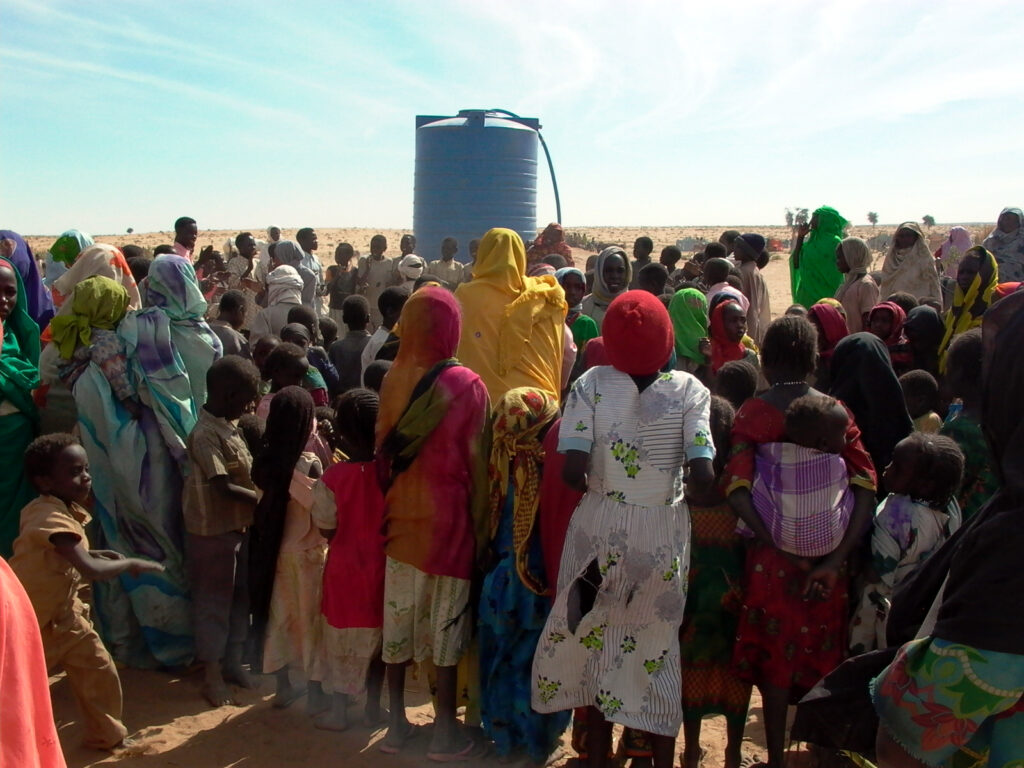
The warning, in short: 19.5 million people in Sudan — 41% of the population — face acute food insecurity. Five million of them are at emergency levels, where shortages can turn life-threatening. Without action, the number of severely malnourished children could pass 825,000, and the number of food-insecure areas could double from 14. The warning comes from Britain and 31 partners, in a joint statement issued on Friday.
The statement is blunt about the cause. “Conflict is the key driver of Sudan’s hunger crisis,” it says. The civil war between Sudan’s army and the paramilitary Rapid Support Forces, which began in April 2023, has displaced more than 13 million people and wrecked the systems that feed a country: farms, clinics, supply chains and markets. Aid workers put the death toll above 200,000 and call it the world’s largest hunger and displacement crisis.
Two other forces are making it worse. The signatories cite the “systematic obstruction of aid” — bureaucratic delays, blocked routes and attacks on civilian infrastructure, including agriculture and food systems. And they cite El Niño, which has cut rainfall and spread drought across more than half of the country, hitting harvests just as war has emptied villages.
What the countries are asking for
The demands are specific, and they are addressed to the warring parties first: lift all impediments on humanitarian assistance, allow “full, safe, rapid, and unimpeded” access through cross-line and cross-border routes, open air access into Darfur, cut visa and customs delays for aid workers, and stop strikes on civilian infrastructure. The statement also calls on the international community to scale up funding, support the winter cropping season, and back locally led responses — the Sudanese groups still operating where foreign agencies cannot reach.
The signatories include France, Germany, Italy, Spain, Canada, Australia, Norway and Switzerland, the European Commission, and Massad Boulos, the US Senior Advisor for Arab and African Affairs. Their warning rests on assessments by the Integrated Food Security Phase Classification (IPC), the international system that grades hunger crises — the same system whose earlier findings flagged famine risk in parts of Darfur and Kordofan.
Why this matters beyond Sudan
Famine warnings are easy to publish and hard to act on, and Sudan has heard several. What makes this one different is its breadth — 32 governments and institutions speaking together — and its timing, ahead of a winter cropping season that will decide whether next year’s harvest exists at all. Miss it, and the numbers in the statement stop being projections.
The region feels the spillover directly. Sudan sits at the junction of the Red Sea, the Sahel and the Horn of Africa, and its collapse has already shaped a regional declaration signed at El Alamein by its neighbours, and the flows of people behind why people keep risking the Red Sea crossing. A famine in Sudan would not stay in Sudan.
The test of the statement is simple, and it will be visible within weeks: whether aid convoys move faster, whether Darfur’s air routes open, and whether the winter crop gets planted. “There is no time to lose to save lives and prevent famine,” the signatories wrote. The coming months will show whether anyone was listening.



One Comment