Yemen’s Houthi group said on Thursday evening that it had carried out six coordinated missile and drone attacks across Saudi Arabia, striking at oil refineries, two international airports and a military headquarters in a single salvo. Saudi air defences said they intercepted missiles headed for Riyadh, where falling debris injured one person and damaged a house and a vehicle.
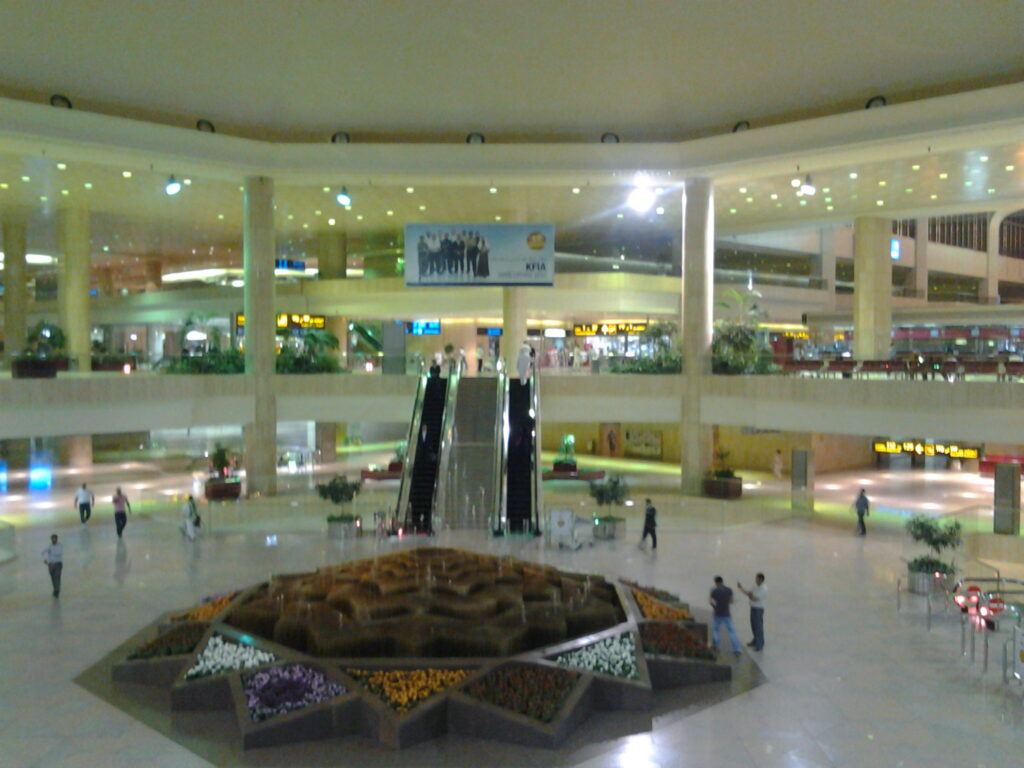
The claim, announced by Houthi military spokesman Yahya Saree in a televised statement, named six targets: the Ras Tanura refinery on the Gulf coast, an Aramco facility at Abqaiq in the Eastern Province, the Rabigh refinery on the Red Sea coast, King Khalid International Airport in Riyadh, King Fahd International Airport in Dammam, and a Saudi military headquarters in the southern Najran region. Saree said the attacks were retaliation for recent Saudi strikes on Houthi-held areas of Yemen.
The Saudi-led coalition confirmed part of the picture. Coalition spokesman Maj Gen Turki al-Maliki said air defences had intercepted and destroyed two ballistic missiles launched toward Riyadh. An earlier coalition statement put the total at three intercepted missiles — two aimed at Riyadh and one at the Eastern Province. Saudi Civil Defence said shrapnel from an interception injured one Saudi national in Riyadh and damaged a residential building and a vehicle. Warning alerts had been sounded in Riyadh, al-Kharj and Najran city before the interceptions.
“Air defences intercepted and destroyed two ballistic missiles launched by the Houthi terrorist militia towards Riyadh.”
— Maj Gen Turki al-Maliki, Saudi-led coalition spokesman
What the Houthis claim beyond that remains unverified. Saudi authorities have not confirmed damage at any refinery or airport, and the Houthis’ claim that the Dammam drone disrupted air traffic could not be independently verified. The Houthis separately said 27 people were killed in Saudi airstrikes on Houthi-held territory — a figure that has also not been independently confirmed. Readers should treat the six-target list as the Houthis’ account, and the Riyadh interceptions and the shrapnel injury as the confirmed facts.
The targets explain why this salvo matters beyond the battlefield. Ras Tanura, Abqaiq and Rabigh sit at the heart of Saudi Arabia’s oil machine: the kingdom is the world’s largest crude exporter, and Abqaiq is one of the largest oil-processing facilities on earth. Attacks on that infrastructure, even claimed ones, rattle energy markets — oil prices have already been climbing on supply fears as the strikes have escalated this month. Hitting two international airports at the same time raises the stakes for civilian aviation too, weeks after strikes on Saudi airports forced airlines to rethink schedules. This is not a remote border skirmish; it is a campaign aimed at the economic arteries of the Gulf.
The timing adds a diplomatic sting. The salvo came days after senior Saudi and Iranian officials met in Tehran and pledged to settle regional disputes through dialogue. The Houthis are backed by Iran, and the contrast between the talks and the missiles underlines how little control any negotiation currently has over the battlefield. It also follows a fire earlier in the week at Ras Tanura that Saudi authorities said was quickly contained — a reminder that the kingdom’s most sensitive sites are now being hit, or claimed as hit, on a regular basis.
The war behind the headlines is now in its second decade. The Houthis, a group that controls much of Yemen including the capital Sanaa, have been fighting Saudi-backed forces since 2014, and their cross-border missile and drone campaign has intensified sharply this month — from the deadly strike on Riyadh airport to the first strike on Aramco’s Dhahran headquarters. Each round has drawn Saudi retaliation inside Yemen, and each retaliation has drawn a new Houthi claim. Civilians on both sides of the border are caught in that cycle: Thursday’s injury came not from a direct hit but from debris falling over a residential neighbourhood in the capital.
What to watch next is whether Saudi Arabia or Aramco confirm any damage at the refineries or airports, whether flights in Riyadh or Dammam are disrupted, and whether the Houthis follow this salvo with another. The pattern of recent weeks suggests neither side is looking for an off-ramp — and with G20 foreign ministers meeting in Atlanta this week, the war’s effect on energy security is now a question for the world’s largest economies, not just the Gulf.