The death toll from Monday’s explosion at the HABAS iron and steel plant in western Turkey has risen to 16, President Recep Tayyip Erdogan said on Monday evening, hours after officials at the scene had put the figure at 10. Fifteen people were injured, two of them seriously, according to Turkey’s state-run Anadolu news agency.
The new figure has not yet been squared with the count from the ground. Izmir Governor Süleyman Elban’s latest televised update put the toll at 10 dead, 15 injured and four workers missing, believed to be trapped under the rubble. Neither the governor’s office nor the presidency has explained the gap, and rescue teams were still working through the wreckage on Monday night — so the final number may move again.
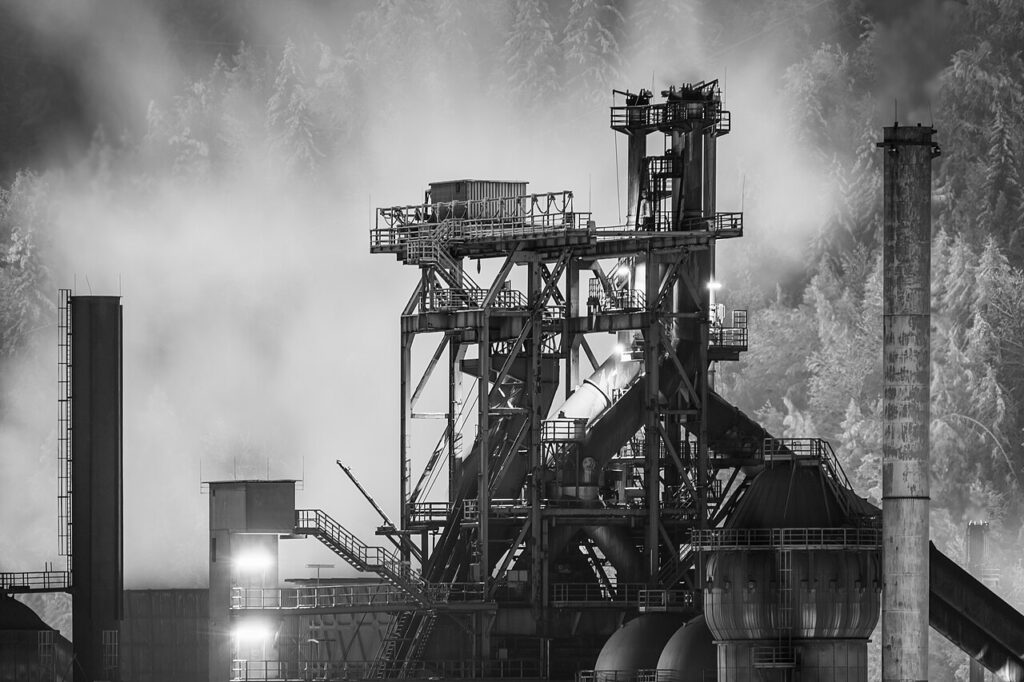
The blast tore through the HABAS Demir Çelik complex in Aliağa, an industrial port district about 60 kilometres north of Izmir, at around noon local time. According to the governor’s office, an overhead crane snapped during boiler-replacement work and fell into an electric arc furnace while liquid steel was being cast, triggering an explosion and a fire that sent a column of black smoke over the plant. The site was in a maintenance period, with about 200 people on site instead of the 300 or more who would normally work the line.
Elban said eight of the 10 dead counted at the scene were struck or trapped by falling material, and two died in hospital. “The ground shook. It was very intense,” witness Nuri Ali Ulker told Anadolu. Another witness, Deniz Ulker, said the blast “felt like the earth’s crust was shifting beneath us. I thought it was an earthquake.”
Interior Minister Mustafa Ciftci and Energy Minister Alparslan Bayraktar were briefed by Erdogan and travelled to Izmir. Justice Minister Akın Gürlek said four prosecutors had been assigned to the investigation, and Labour Minister Vedat Işıkhan said the Social Security Institution had appointed a chief inspector.
Attention is already turning to the plant’s safety record. Eyüp Eğinli, a 20-year-old worker, died at the same complex on 5 November, when a tyre he was inflating exploded. Hakan Doğan, 55, died on 21 October after falling about eight metres. The Evrensel newspaper reported that at least 11 workers had died at the factory over the past decade.
Outside the hospital where the injured were taken, police arrested two representatives of the Aegean Workers’ Collective as they tried to speak about workplace safety, according to the group. Its spokesman, Oktay Turk, blamed the factory’s management. “The HABAS management’s blind greed for profit has resulted in a major disaster today,” he told the news agency AFP. “Those responsible for this massacre must be brought to justice.” HABAS declined to respond to questions from an AFP journalist.
The disaster lands in a country where workplace deaths are a standing scandal. The Health and Safety Labour Watch, known by its Turkish initials İSİG, counted at least 1,736 workers killed in Turkey in the first nine months of 2026 — including 226 in September alone.
The explosion came on the same day world leaders gathered in Antalya, on Turkey’s Mediterranean coast, for the COP31 climate talks.
Why this matters
Two questions now hang over Aliağa. The first is simple arithmetic with human weight: the president says 16 dead, the governor’s teams have counted 10 with four missing, and until the two accounts are reconciled, families are left not knowing which number holds their loved one. The second is harder. Three fatal incidents in under a fortnight at a single plant — two single deaths in October and November, then a furnace explosion — is a pattern, not a coincidence, and the investigation will have to answer whether the first two deaths were treated as warnings. Turkey is one of the world’s 10 biggest steelmakers, and Aliağa is at the heart of that industry; the steel that leaves plants like HABAS ends up in buildings, ships and wind turbines around the world. How Turkey answers those questions matters well beyond Izmir.