Key takeaways: Global carbon dioxide emissions from fossil fuels are projected to fall 0.4% in 2026, to 38.2 billion tonnes. The drop is driven by the Iran war’s shock to oil markets and by record growth in solar and wind power — not by a deliberate global shift away from fossil fuels. Total emissions, including deforestation, are still set to hit a record 43.3 billion tonnes.
For the first time since the Covid pandemic, the world’s fossil fuel emissions are expected to fall. The Global Carbon Project, a network of more than 140 scientists, released its annual budget on Tuesday at the COP31 climate summit in Antalya, Turkey. Its headline number looks like good news: fossil fuel carbon dioxide down 0.4% in 2026, to 38.2 billion tonnes.
Read the small print, and the picture changes. The researchers themselves say this is not the turning point the world has been waiting for. Much of the decline comes from a war.
What fell, and why
Oil emissions are projected to fall 1.9% this year, and natural gas emissions 0.3%. Coal emissions, meanwhile, are still rising, up 0.6%. The oil drop is the story: the war in Iran has effectively closed the Strait of Hormuz, the narrow waterway through which a fifth of the world’s oil travels, pushing up fuel prices and forcing people and businesses to use less.
“A decline in fossil CO2 emissions is encouraging, but a reduction driven partly by geopolitical shocks is not a sustainable climate solution,” said Pierre Friedlingstein of the University of Exeter, who led the study. His colleague Glen Peters, at Norway’s CICERO climate research centre, put it more bluntly: “A drop in emissions in one year is not a peak unless it is driven by structural change.”
The last three times global emissions fell — the collapse of the Soviet Union in 1991, the financial crisis of 2008 and the pandemic in 2020 — they bounced back within a year or two. The scientists say 2026 risks joining that list.
The renewables half of the story
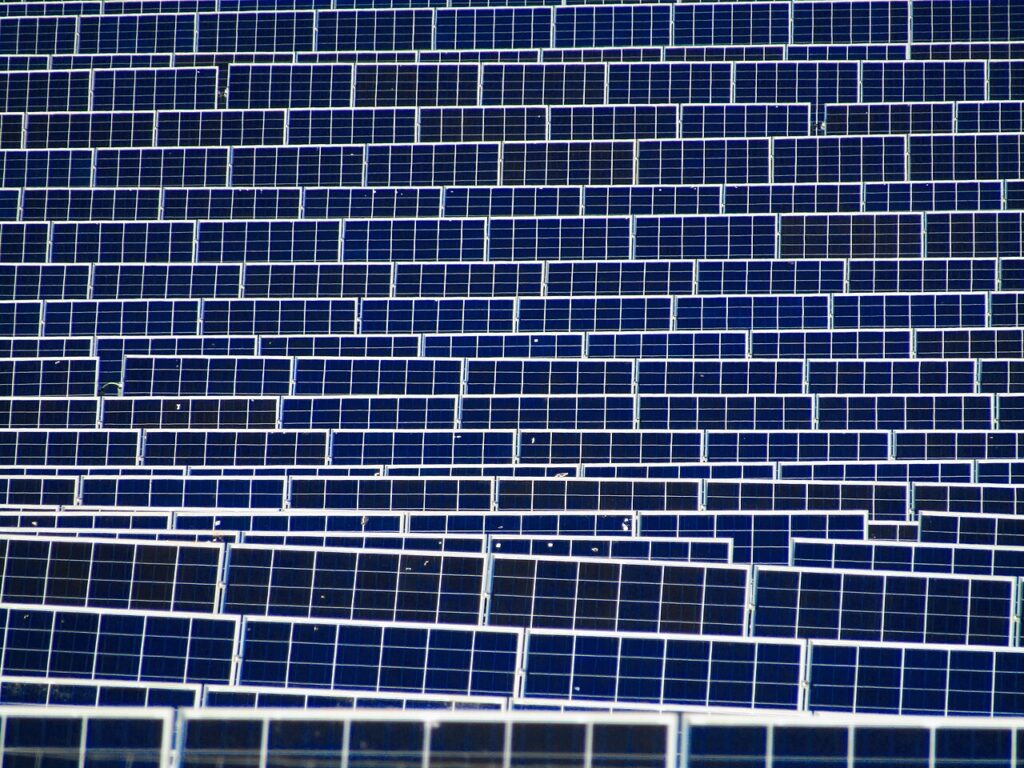
Not all of the decline is accidental. Solar and wind power, together with electric vehicles, are now meeting roughly two-thirds of the growth in global energy demand. In 2010, solar and wind prevented an estimated 280 million tonnes of carbon dioxide emissions. By 2025 that figure had climbed to 4.1 billion tonnes, and it is projected to reach 4.6 billion tonnes this year. China accounts for about half of the emissions avoided globally through renewables and electric vehicles.
The United States’ emissions are projected to fall 1.3% in 2026. But the overall picture is still grim: once deforestation and land degradation are counted, total carbon dioxide emissions are projected to reach 43.3 billion tonnes — a record, up from 42.8 billion tonnes last year. And the remaining carbon budget for holding warming to 1.5°C is just 150 billion tonnes, less than four years at the current rate.
Why this matters
The timing could hardly be more pointed. Delegates at COP31 are negotiating in Antalya against a backdrop of record heat — October was the hottest month ever recorded, and 2026 is now almost certain to pass 1.5°C of warming for the year. A one-year dip in fossil emissions caused by expensive oil is not the same as a world that has decided to stop burning it.
What happens next depends on whether the renewable half of this year’s story keeps growing fast enough to outrun the rebound. If the war ends and oil flows freely again, emissions will almost certainly rise — unless the solar panels and wind turbines installed this year keep displacing coal and gas. That is the test the scientists will be watching in next year’s budget, and it is the one that matters far more than this year’s 0.4%.