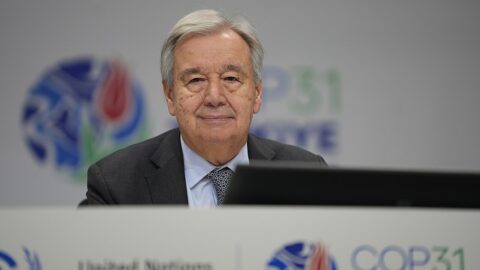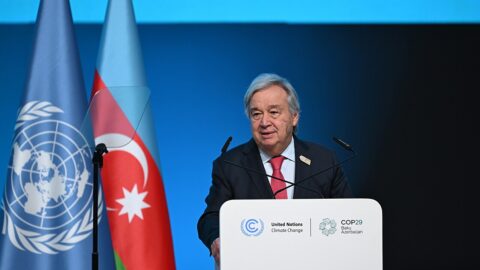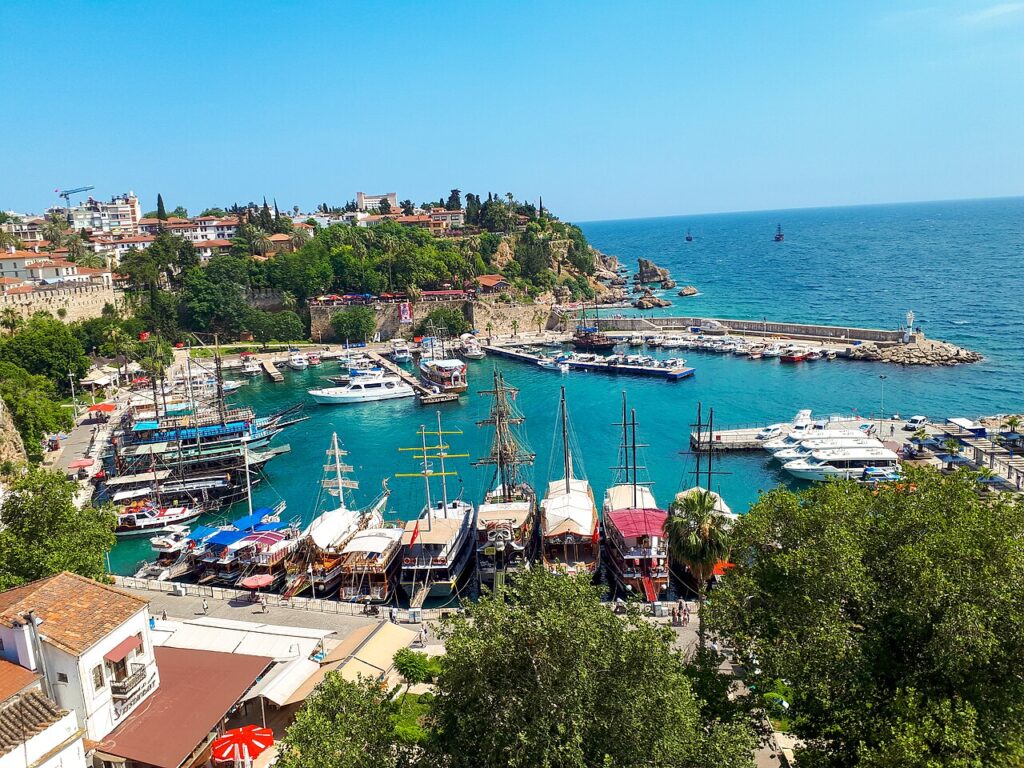
The climate talks in Antalya were supposed to end on Friday. Instead, negotiators worked through Saturday and into the early hours of Sunday, and only in the small hours did the summit’s presidents put a new package on the table — a text they say all 196 delegations can accept, with a vote due on Sunday morning.
“We believe that we have put forward a text which all the parties can agree upon,” COP31 President Murat Kurum, Turkey’s environment minister, told a late-night plenary session. He said the conference would reconvene on Sunday morning to approve the deal, and gave delegations until 03:00 GMT to raise objections, with the approval session scheduled for 06:00 GMT — 11:00 in Pakistan.
Whether that confidence survives contact with the plenary is the question. Under the UN climate convention’s consensus rule, a single country can block a deal. And the text Kurum is asking them to accept carries a contradiction at its heart: he says concerns about fossil fuels and adaptation finance have been addressed, yet reporting on the revised draft says it still does not name fossil fuels at all.
What the new text does — and does not — say
The fight that consumed COP31 was over words that were missing. An early draft of the final agreement had called for accelerating the phase-out of coal, oil and gas. The slimmed-down version published on Thursday stripped out every mention of fossil fuels, after objections from Saudi Arabia and other major oil and gas producers, and dropped a target to scale adaptation finance to $120 billion by 2035.
Campaigners called it a “ghost COP”. Around 130 countries insisted the fossil-fuel language be restored. The European Union and Saudi Arabia, on opposite sides of the argument, were brought together in hastily convened meetings as the talks ran more than a day past their scheduled close, with venue crews already boxing up the halls around the negotiators.
The new package, published deep into overtime, is a compromise built on implication rather than declaration. It recalls the deal reached at COP28 in Dubai in 2023 — the first time a COP text committed countries to “transitioning away from fossil fuels” — but stops short of naming fossil fuels itself. It keeps the call to raise electricity’s share of total final energy consumption to 35% by 2035, up from roughly 21% today, and it covers electrification, methane and zero waste. Whether the $120 billion adaptation figure is back in the text has not been publicly confirmed; Kurum said adaptation finance concerns had been addressed, without giving details.
The package was already drawing fire before the vote. The African Group of Negotiators told the closing plenary it was “profoundly disappointed” with the summit’s decisions on climate finance and on Action for Climate Empowerment, saying the texts did not reflect Africa’s concerns — though the group said it could still accept the finance decision if one paragraph were revised. It also questioned how the presidency had handled the process.
Why the wording matters more than the deadline
To an outsider, the argument over whether a UN document says “fossil fuels” or merely gestures at a three-year-old agreement that did can look like diplomatic pedantry. It is not. The words in a COP decision are the only leverage the talks produce. Countries do not sign binding emissions targets here; they sign language, and that language is then quoted back at them in national capitals, in courts and in boardrooms for years. A text that cannot name the main driver of global warming is a text that lets every government claim it agreed to everything and committed to nothing.
That is why the 130-country coalition held its ground, and why the presidency’s solution — recalling Dubai without repeating it — is a gamble. If the countries that demanded explicit language accept the reference as enough, Antalya closes with a deal and the presidency can claim an “Antalya consensus”. If they do not, the objection window is the moment of truth: any delegation can object by 03:00 GMT, and a single objection can force the presidency back into huddles or reopen formal negotiations. COPs have run days past their deadlines before, and the last one to end with no agreement at all was a quarter of a century ago.
What happens next
If no delegation objects, the presidency will gavel the package through at the Sunday morning session and COP31 will close with a deal its presidents say every country can accept. If objections pile up, the talks stretch further into Sunday — or collapse. The stakes go beyond Antalya: this summit was meant to carry forward the commitments of the 2015 Paris Agreement into its second decade, at a moment when fossil-fuel emissions are set to fall in 2026 for reasons that have nothing to do with climate policy, and when the oil price shock from the war in Iran has made every government more protective of its energy supply.
Two days ago, the draft on the table mentioned no fossil fuels at all, and campaigners called the summit a ghost COP. The new text is better than that draft. The question delegates must answer this morning is whether “better than a ghost” is good enough to sign.