A resident of Yakima County in Washington state has died after contracting bird flu from infected dairy cattle, health officials confirmed on Sunday. It is the first death from avian influenza reported in the United States this year, and only the third since the virus began spreading through American dairy herds in early 2024.
The person, who had underlying health conditions, was hospitalised with a severe illness after being exposed to cattle carrying the H5N1 virus at a dairy in the county, according to the Yakima Health District. The district first reported the case as a severe hospitalisation on 31 October; the patient died on Sunday, 1 November. Officials have not released the person’s name, age or gender, out of respect for the family.
“Avian influenza can cause severe illness, particularly among people who have underlying health conditions,” Dr Dave Atteberry, the district’s health officer, said in a statement. “While this is a serious and heartbreaking outcome, the risk to the general public remains low.”
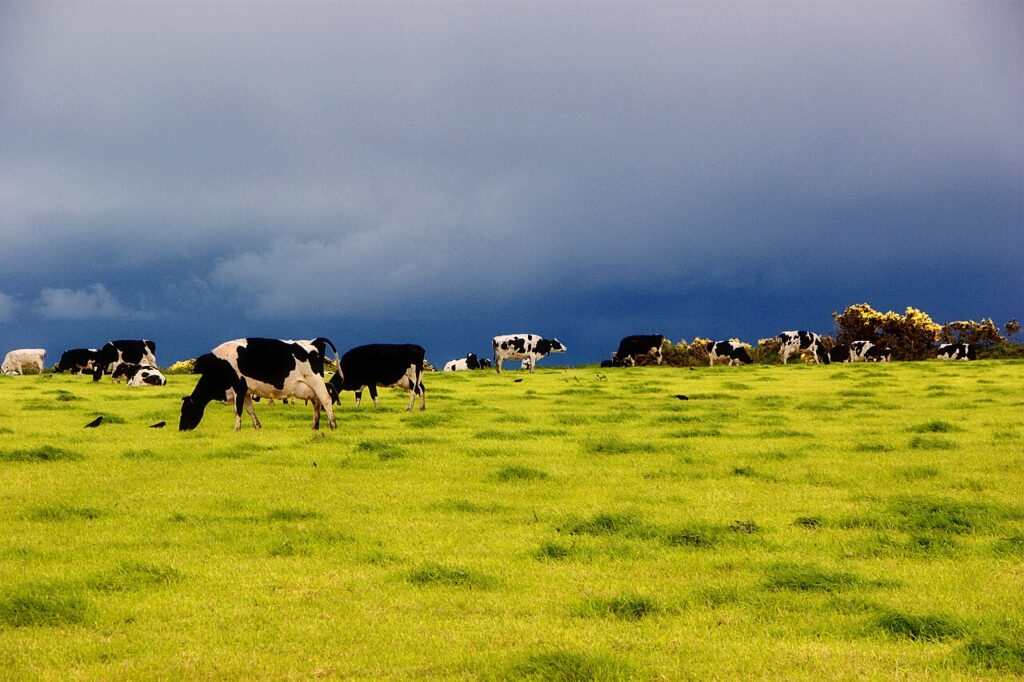
The death is the latest turn in a local outbreak. Washington state confirmed its first H5N1 detections in dairy cattle on 8 October, at two Yakima County dairies found through milk testing by the state agriculture department and the US Department of Agriculture. Since then the virus has been found in 33 herds in Yakima County, with a further infected dairy reported in neighbouring Benton County on 26 October.
Three people in Yakima County have now been infected since mid-October, all after exposure to infected cows. The first, a dairy worker who tested positive on 15 October with mild symptoms, was the first human case reported in the county in nearly a year. The third case, confirmed over the weekend, has also had mild symptoms and has not needed hospital treatment. Health officials say they are tracing and monitoring close contacts of the person who died to check for onward transmission.
Nationally, more than 70 people in the US have been infected with bird flu since 2024, according to the US Centers for Disease Control and Prevention (CDC). Until now, two of those infections had proved fatal: an elderly person in Louisiana who died in January 2025 after infection with H5N1, and a Washington state resident who died in November 2025 from a rarer strain, H5N5 — the first human H5N5 case ever recorded worldwide. The Yakima death is the third fatality in that count, and the second in Washington in less than a year.
One early finding should calm the worst fears, even if it does not end them. The CDC analysed the genetic sequence of the virus from the person who died and found no changes that would make it spread more easily between people or cause more severe illness, a CDC spokesperson said on Monday. No human-to-human transmission of bird flu has ever been documented in the United States.
Officials are still urging caution where the risk is real. People who work with cattle, poultry or sick and dead birds face the highest exposure, and health agencies advise them to wear respiratory and eye protection and gloves. The public is also being warned against drinking unpasteurised milk or eating dairy products made from raw milk from cows or goats, which can carry the virus.
Why this matters beyond one county in Washington: the dairy-cattle chapter rewrote the bird flu story. Before 2024, human infections in the US were largely linked to poultry. Once H5N1 reached dairy herds, it gained a vast new reservoir — more than a thousand herds across 19 states — and farmworkers in daily contact with infected animals. Most of those infections have been mild, typically eye irritation or respiratory symptoms. But each severe case is a reminder of how thin the line is between a virus that circulates in animals and one that harms people, and why surveillance of farmworkers — many of whom are hard for health authorities to reach — matters as much as surveillance of the herds themselves. A single death does not mean a pandemic is coming. It does mean the virus is still finding people wherever it finds cattle, and that the systems built to catch the next jump are being tested in real time.
The pattern is not confined to dairy cattle. Bird flu has also been spreading among farmed mammals elsewhere in the US, including a mink farm in Utah where the virus circulated for two months — another sign of how widely H5N1 has embedded itself in animal populations far from its original wild-bird hosts.
For now, the official message from Yakima is steady rather than alarming: a low risk for everyone else, and a local outbreak health teams are still working to contain.



One Comment