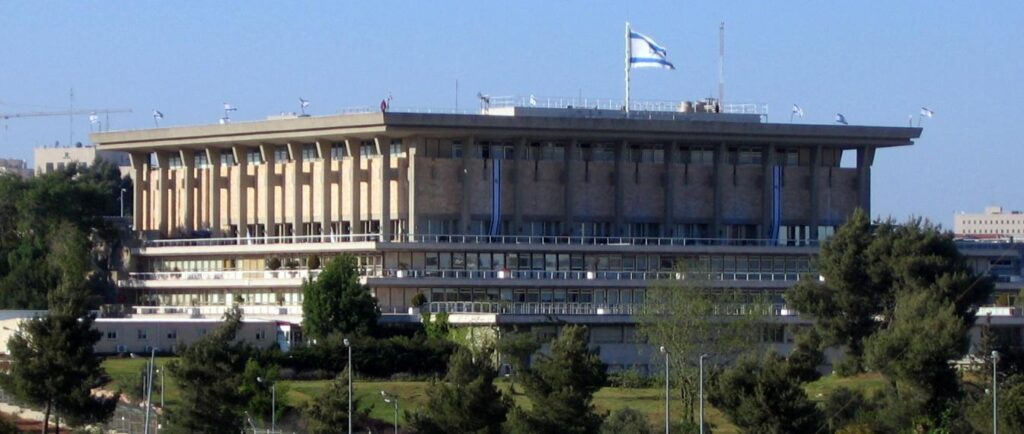
Polls opened at 7am on Tuesday for the first Israeli election since the Hamas attacks of October 7, 2023 — and every final poll published before the vote said the same thing: nobody is on course to win it.
Prime Minister Benjamin Netanyahu, who has led Israel for 19 years across several terms, is fighting for his political survival against a fractured but energised opposition led by Gadi Eisenkot, a former military chief, and his Yashar party. Final television polls published on October 23 put Netanyahu’s bloc on 50 seats in the 120-seat Knesset — 11 short of the 61 needed to govern. The opposition blocs scored 52, 56 and 54 in the three surveys, with Yashar ahead of Netanyahu’s Likud in all three.
Voting runs until 10pm Israel time, when television channels will broadcast exit polls. A clear picture could emerge within hours. It could also take days — the final tally is not expected until October 30, and official results are due on November 4.
What the election is really about
For many voters, this is a referendum on Netanyahu himself. He is on trial for corruption, and he is the subject of an arrest warrant from the International Criminal Court over the war in Gaza. His government pushed through a contested judicial overhaul before the war, and it has spent the years since fighting over whether ultra-Orthodox religious students should keep their long-standing exemption from military service — an argument that has split his coalition and angered many Israelis who have served in Gaza and Lebanon.
The opposition promises a break with all of that: reversing the judicial changes, and barring indicted politicians from serving. But it is itself a patchwork — centrists, liberals, former generals and Arab parties counted separately in the polls — and its leaders have said little about how they would hold together once the votes are counted.
The Iran shadow over the vote
On the eve of the election, Netanyahu said he had the backing of US President Donald Trump, and suggested Trump was ready to act again against Iran — but only if Netanyahu stayed in power. The White House, for its part, has said the United States will not attack Iran before the November midterm elections. The exchange turned a domestic vote into a question with consequences far beyond Israel’s borders: who sits in Jerusalem will shape Washington’s next move on Tehran, and the future of the Gaza truce.
That is also why the result will not be settled tonight even if the exit polls are clear. Israel’s system gives no party a majority on its own — no party ever has — so the real contest begins after the count, in weeks of coalition bargaining. Small parties become kingmakers, and the candidate who can assemble 61 seats governs, whether or not his party came first.
Why this matters beyond Israel
Israel’s next government will decide how the Gaza war ends, whether the judicial overhaul resumes, and how far Jerusalem goes in confronting Iran. With the United States weighing its own next steps in the region, and with raids in the occupied West Bank continuing, the shape of that government matters to the whole Middle East — and to Washington, which has tied its Iran timetable to the outcome.
For now, Israelis are voting. The rest of the story — the count, the consultations, the coalition — will take weeks.




One Comment