Key takeaways:
- More than 50.5 million ballots had been cast by Saturday morning, Oct 31 — already nearly 5 million past the whole 2022 early vote of about 45.9 million.
- By Saturday afternoon the University of Florida’s Election Lab count stood at 51.31 million, and it was still climbing.
- In states that report party registration, 10.7 million registered Democrats had voted early against 7.8 million registered Republicans — but that covers only about 27 states, and registration is not a vote choice.
- All 435 House seats and 35 Senate seats are on the ballot on Tuesday, Nov 3. Republicans defend a 53-47 Senate majority and a narrow House majority.
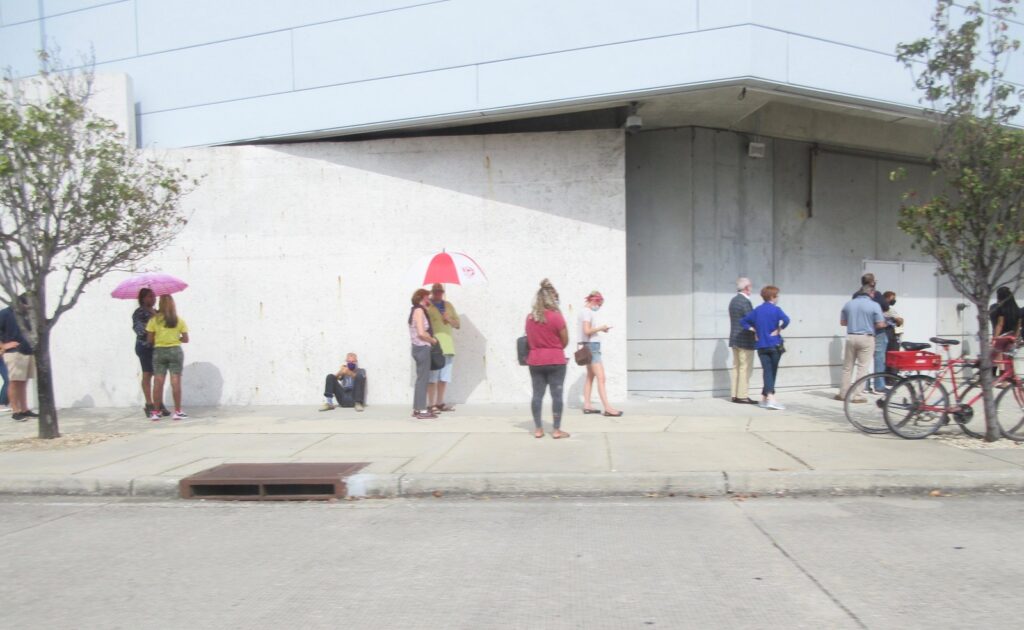
Three days before Americans decide who controls Congress, the voting is already mostly done in one sense: tens of millions of people have not waited for Election Day at all. The University of Florida’s Election Lab, which tracks early ballots state by state, put the total past 50.5 million on Saturday morning — and past 51.3 million by Saturday afternoon. The last midterms, in 2022, produced about 45.9 million early votes in total. This year’s figure passed that mark with days still to run.
Reuters, reporting on Friday as the campaign entered its final weekend, had already called the early vote a record for a midterm election, with more than 49 million ballots cast in person or by mail. The surge is not evenly spread. Texas alone has passed 7 million early votes, about 1.5 million more than its entire 2022 early total. In Harris County, which includes Houston, an Associated Press analysis counted 862,700 votes by Wednesday, against 564,500 at the same point in 2022. South Carolina’s early vote is up 83% on 2022, according to Guardian analysis of the same Election Lab data.
What is driving the rush is harder to pin down than the count itself. Some of it is a shift in habit: in-person early voting has grown sharply, with about 26.8 million in-person ballots against 22.9 million returned by mail in the Friday-evening count. Some of it is plain anger and anxiety. President Donald Trump, whose party is defending both chambers, has said on Truth Social that he plans to spend more than $400 million backing Republican candidates, calling the vote the most important midterm in the country’s history. Polls cited in the final-week coverage put his approval at a record low of about 31%, and forecasters now give Democrats a real chance at the House, where they need a net gain of just three seats.
The party-registration numbers need a warning label. In the roughly 27 states that publish them, registered Democrats lead registered Republicans among early voters, 10.7 million to 7.8 million. But those states are not the whole country, party registration is not a ballot, and Republicans have traditionally voted more heavily on Election Day itself. A record early vote can also mean people who would have voted on Tuesday simply voted sooner — it does not, on its own, predict final turnout or the winner.
That caveat matters because the final weekend has been anything but quiet. The Justice Department has stepped up a criminal investigation in Alaska’s Senate race and sued California over ballots cast by voters it alleges could be noncitizens — fights that both parties are already using to argue about legitimacy before a single result is in. Election Day is Tuesday, Nov 3, and several states’ early-voting windows have already closed, while others run into early November. The record, in other words, is real. What it means will not be known until the votes that have not been cast yet are counted too.
Why this matters: midterms historically punish the president’s party, and the last two years have given voters plenty to punish or reward — from the economy to the war with Iran that has dominated Washington’s autumn. If the early surge holds into a high overall turnout, it will shape not just the next two years of American lawmaking but the credibility of every claim made about a mandate on Wednesday morning.
Related coverage on this site: the FBI is probing unknown-substance letters sent to election offices weeks before the midterms, and federal agents carried out a raid on Representative Ilhan Omar’s home at dawn.