Russia’s best-known independent newspaper is closing. Novaya Gazeta announced on Friday that it will cease operations on November 9, ending more than three decades of reporting that survived assassinations, court cases and, finally, a pressure campaign its editors say left them with nowhere left to go.
“On November 9th, we will turn off the lights in the home where we have lived for 30 years, shut down our servers, and leave. The newspaper no longer exists,” the paper said in a statement from editor-in-chief Sergei Sokolov. “The Russian authorities and the Russian security services have forced our editorial team to cease its operations.”
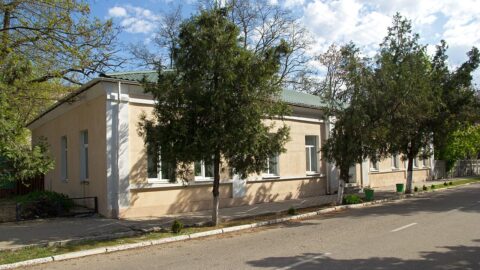
The announcement caps a squeeze that tightened sharply in recent weeks. In September, Russia’s justice ministry designated the whole newsroom a “foreign agent” — a label that, in practice, scares off banks, advertisers and partners — with more than 100 of its journalists and contributors added to the register alongside it. Then came the eviction: on October 28, the paper was ordered out of its longtime headquarters on Potapovsky Lane in Moscow, with November 9 as the deadline to leave. On the same day, Sokolov wrote, the donation system that let readers fund the paper was switched off.
“We were deprived of resources. All our resources,” the statement said. “This was a coordinated operation.”
The pressure had been building for months. Sokolov himself was detained by police on October 15, and both his apartment and the newsroom were searched. Oleg Roldugin, the head of the newsroom, was arrested in April on a charge of unlawful access to computerised information, which he denies; his house arrest has been extended until November 10, one day after the paper closes.
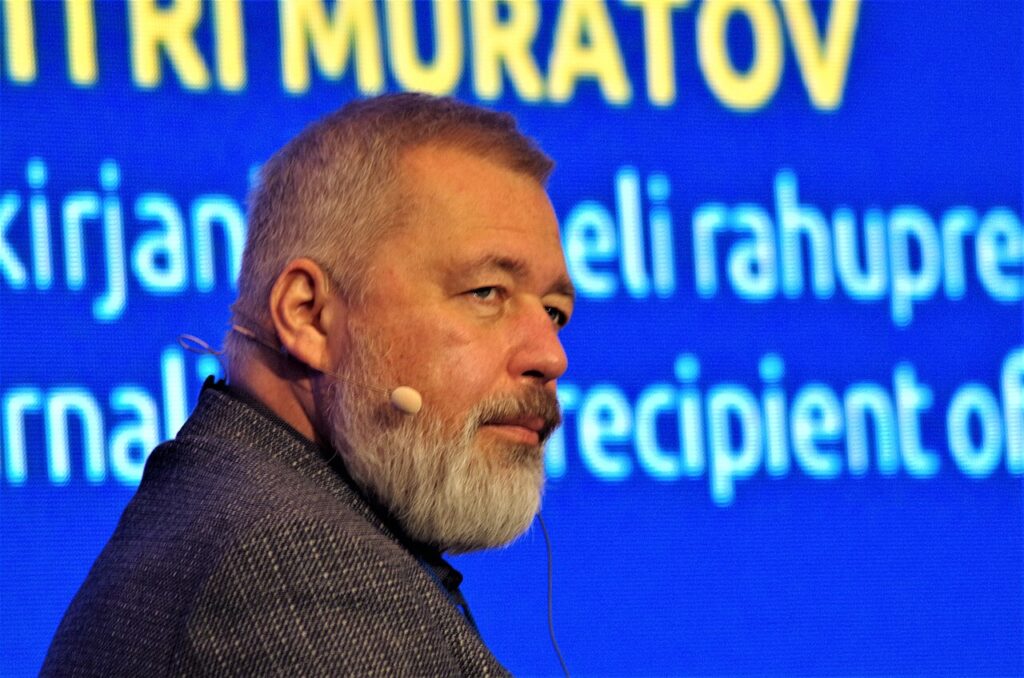
Novaya Gazeta was founded in 1993, with backing from former Soviet leader Mikhail Gorbachev, and built its reputation on investigations into corruption, human rights abuses and the war in Chechnya. Its journalists paid a terrible price for that work: six of them were murdered, including investigative reporter Anna Politkovskaya, shot dead outside her Moscow home in October 2006. Columnist Elena Milashina was kidnapped and brutally beaten in Chechnya. Former editor Dmitry Muratov shared the 2021 Nobel Peace Prize with Philippine journalist Maria Ressa for their defence of free expression.
After Russia launched its full-scale invasion of Ukraine in 2022, the paper suspended its print edition when the authorities blocked it, and its media licence was later revoked. It kept publishing online, but under censorship laws that carry long prison terms for “discrediting the armed forces” or spreading what the state calls fake news about the military. For nearly five years of war, Sokolov wrote, the paper kept working “surrounded on all sides by the security services.” Now, he wrote, “it is over.”
The paper says it will publish a final issue. There was no immediate comment from the Russian authorities.
Why this matters goes beyond one newsroom. For readers outside Russia, Novaya Gazeta was one of the last windows into what was happening inside the country that was not run by the state — the outlet that investigated the wars, the corruption cases and the abuses other Russian media would not touch. Its closure does not just silence a newspaper; it removes one of the last independent checks on power available to ordinary Russians, at a moment when the war in Ukraine and the crackdown at home dominate the country’s politics. Press freedom groups have long treated the paper’s survival as a measure of how much space for dissent remained in Russia. That measure has now run out. The question for journalists elsewhere is what, if anything, can still reach a Russian audience once the country’s most famous independent newsroom has gone dark.
For a parallel case of how states squeeze independent media, see how Turkey’s trustee system works when the state seizes a news channel: Turkey’s Trustee Playbook: What Happens When the State Seizes a News Channel. And for the risks reporters face in the field, see the attack on a Washington Post photographer during the West Bank olive harvest: Washington Post Photographer Beaten by Masked Settlers During West Bank Olive Harvest.
Muratov’s Nobel Prize citation is recorded by the Nobel Prize organisation itself: Dmitry Muratov — Nobel Peace Prize 2021 facts. Novaya Gazeta’s own farewell statement is here: Novaya Gazeta’s farewell statement.