At 10 in the morning in The Hague — 2pm in Pakistan — the president of the International Court of Justice will begin reading a judgment that has been seven years in the making. The question before the court is the gravest one in international law: did Myanmar commit genocide against its Rohingya Muslim minority?
The case was brought by The Gambia, a small West African state backed by the Organisation of Islamic Cooperation, in November 2019. It accuses Myanmar of violating the 1948 Genocide Convention through its military’s crackdown in Rakhine State in 2017, which drove more than 730,000 Rohingya across the border into Bangladesh amid allegations of mass killings, rape and the burning of entire villages. Myanmar denies the allegations, describing its operations as legitimate counter-terrorism measures.
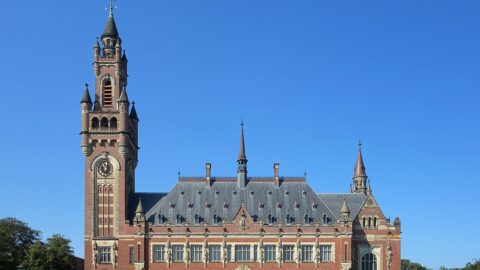
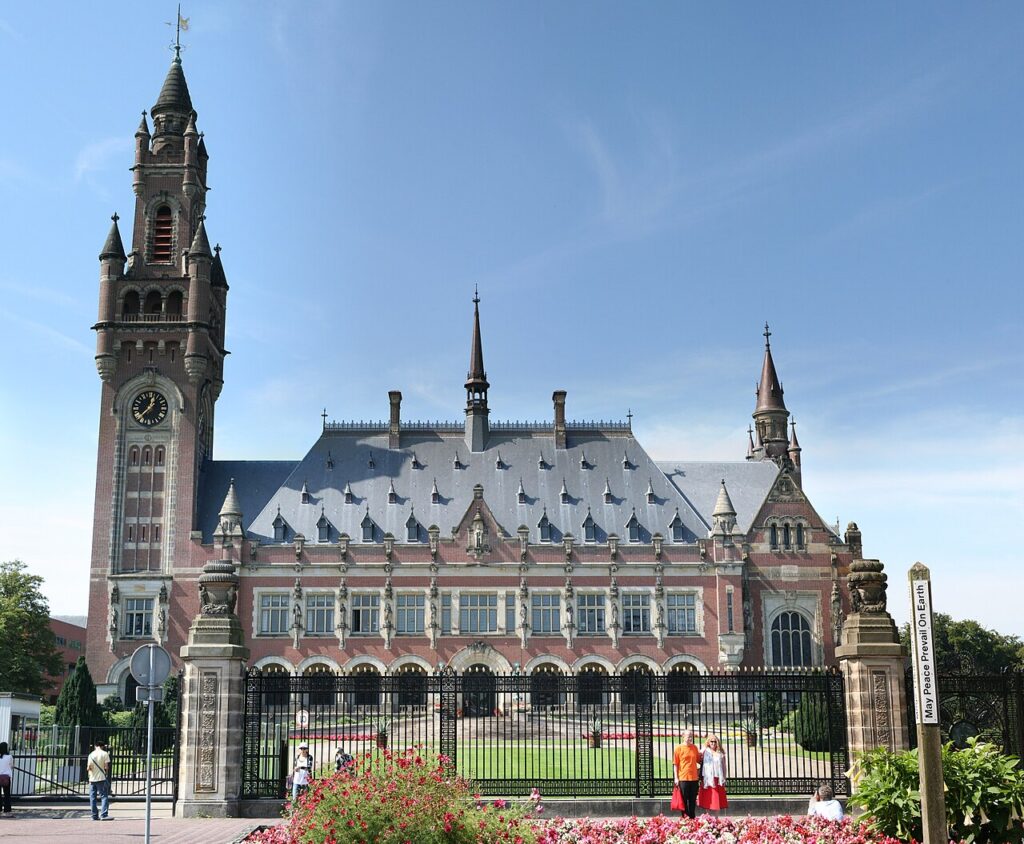
The judgment will be read by the court’s president, Judge Yuji Iwasawa, at a public sitting at the Peace Palace. It is only the third time the court has ruled on the merits of a genocide case.
Why this ruling is different
The two previous rulings both came out of the Balkan wars of the 1990s. In 2007, the court found that Serbia had not committed genocide itself, but had violated the Convention by failing to prevent the genocide committed by Bosnian Serb troops at Srebrenica. In 2015, it found that genocide had not been committed in Croatia at all.
If the court finds against Myanmar today, it would be the first time in the court’s 80-year history that a state has been held responsible for committing genocide. That is the precedent hanging over the Peace Palace this morning — and the reason the ruling is being watched far beyond the courtroom.
The case, formally titled Application of the Convention on the Prevention and Punishment of the Crime of Genocide (The Gambia v. Myanmar), has already shaped the law once: in January 2020, the court ordered Myanmar to take provisional measures to prevent acts prohibited under the Convention and to preserve evidence. Hearings on the merits ran from 12 to 29 January this year. Eleven countries — including Canada, France, Germany and the United Kingdom — formally intervened in support of The Gambia’s position.
The judges in the shadow of sanctions
The ruling arrives under an unusual cloud. Navi Pillay, the judge who spent her life putting war criminals on trial, won the Nobel Peace Prize last month — and she sits on this case as the ad hoc judge chosen by The Gambia. A Washington think tank close to the White House has predicted that a genocide finding would lead the United States to sanction the court’s judges. The US has already sanctioned judges of the court’s sister institution, the International Criminal Court, after it issued arrest warrants for Israeli Prime Minister Benjamin Netanyahu — a campaign examined in Can the ICC survive Washington’s sanctions?
The court has no police force and no army. Its judgments are legally binding and cannot be appealed, but enforcement depends on the UN Security Council — where a veto can block action. The Gambia has also asked the court to order reparations, including full citizenship for the Rohingya, who have now spent almost nine years in overcrowded refugee camps in Bangladesh.
What to watch for
The judgment will turn on intent. Genocide is not just mass killing: under the 1948 Convention, the court must find that acts were committed with the specific intent to destroy a protected group, in whole or in part. That is a deliberately high bar, and it is the reason genocide has been proven in court so rarely since the Holocaust. Whether the judges find that bar met — or whether they find violations short of genocide, as they did with Serbia in 2007 — will determine not only Myanmar’s legal fate, but how the Convention can be used against states in the cases already lining up behind this one.