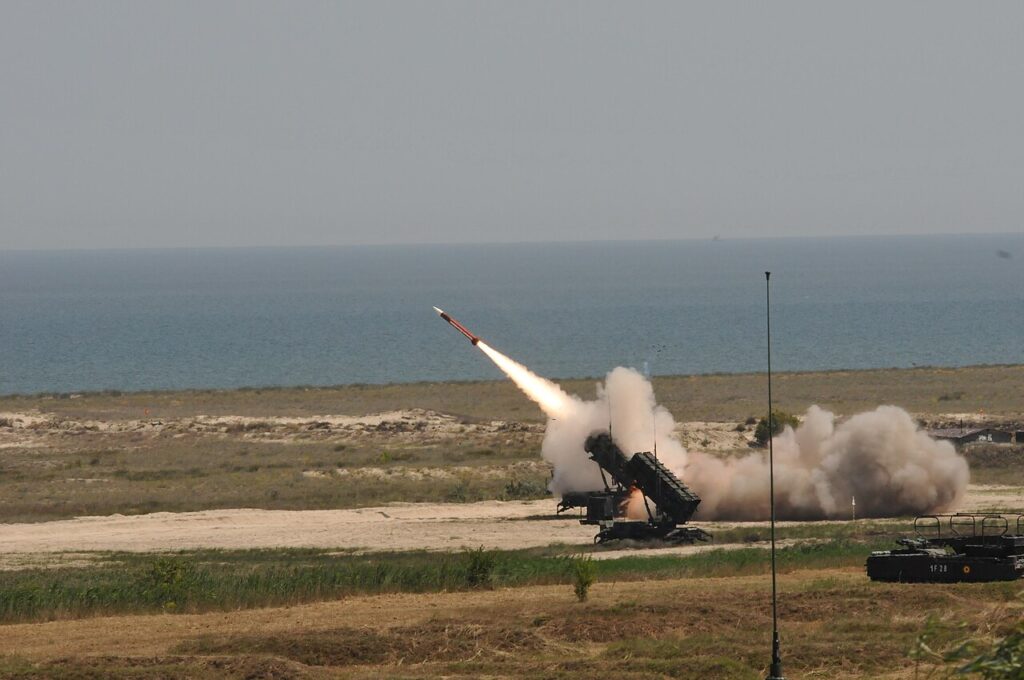
The United States has approved the potential sale of 500 Patriot air-defence interceptor missiles to Ukraine, a $2.1 billion package paid for entirely by Kyiv’s allies — and Ukrainian President Volodymyr Zelensky’s first reaction was not celebration. It was a warning: on the terms as written, the missiles may not start arriving for years.
The State Department announced the approval on Friday, October 30, clearing the sale of 500 PAC-3 MSE (Missile Segment Enhancement) interceptors, the most advanced Patriot variant in service and one of the few weapons able to shoot down incoming ballistic missiles. Lockheed Martin, which builds the Patriot, is the principal contractor. The package also includes spare parts, logistics and programme support.
No American money is involved. Ukraine will pay with donations from Canada, Germany and Norway channelled through the US JUMPSTART programme, plus national funds financed by the European Union’s Ukraine Support Loan. The approval now goes to Congress for review, and the State Department gave no delivery schedule — a gap that is the whole story.
Zelensky welcomed the decision as a “strong decision” and noted that 500 interceptors “could make for a highly effective defence package” this winter. Then he published the catch. “It has been stipulated that deliveries may begin ONLY IN A FEW YEARS,” he wrote on X. “We are asking our American partners to find a solution for the time when there is a real danger and a real need to use PAC-3 interceptors.”
His counter-proposal is blunt: send Ukraine missiles from existing American and allied stockpiles now, and replenish those arsenals later with the newly contracted production. He said Kyiv had asked for a winter support package of 100 Patriot interceptors a month, arguing that 500 missiles “would be enough to protect our skies over the coming months.” He added that the US and its partners “have sufficient stocks of PAC-3 interceptors in their warehouses.”
The urgency is not abstract. Zelensky has said Ukraine received an average of just 12 Patriot interceptors a month from the United States this year, while Russia attacks Ukrainian energy infrastructure daily — a campaign that has knocked out power for millions as winter sets in. Kyiv had waited nearly a month for Washington to sign off on the missile supplies, and earlier this month its stockpile of Patriot interceptors was reported to be entirely depleted.
Washington’s account of the pipeline looks different. NATO’s top commander in Europe, General Alexus Grynkewich, said in Riga on Friday that deliveries of American-made weapons bought by European allies were continuing without delay. “Not a single item included in the PURL package paid for by European allies has been delayed,” he said, adding that a delivery had arrived within the last week. PURL — the Prioritized Ukraine Requirements List — is the NATO-coordinated programme through which allies buy US weapons for Ukraine.
The two accounts are not quite contradictory, and that is what makes the dispute hard to resolve from the outside. Missiles already bought and shipped under earlier arrangements can be arriving even while a new 500-missile order sits years back in the production queue — the US defence department has put annual Patriot production at roughly 600 missiles. An approval is not a contract, and a contract is not a delivery.
The timing matters beyond Ukraine’s air defences. The approval lands in the middle of a bruising fortnight in the US-Ukraine relationship. Kyiv had paused its campaign of strikes on Russian refineries after pressure from Washington, only for Ukrainian drones to hit a Russian refinery again on Friday, ending that pause. Zelensky had offered a 30-day halt to refinery strikes in exchange for Patriot interceptors — an offer that now reads less like a bargain struck and more like a bargain still waiting to be honoured.
Why this matters beyond Ukraine: the Patriot has become the test case for how the West arms its partners when its own arsenals are thin. If allies can pay $2.1 billion and still wait years for the weapons, the lesson for every other country watching — from Taiwan to the Gulf states — is that money alone no longer buys air defence on demand. And if Zelensky’s stockpile-swap idea is taken up, it would set a precedent: allies’ own shelves emptied first, factories catching up later. Either way, the winter of 2026-27 will be defended with whatever is already in warehouses, not with this order.
What happens next is procedural but decisive: Congress reviews the proposed sale, Kyiv and Washington negotiate the letter of offer, and the US Army places the order with Lockheed Martin. None of those steps has a date yet. Until one does, Ukraine’s most important new air-defence package is a promise with a production queue behind it — and Zelensky has made clear he intends to keep pressing until the promise becomes missiles in launchers.
Related: Ukraine Pauses Russian Refinery Strikes After Trump Pressure, WSJ Reports | Ukraine Hits Russian Refinery Again — Ending the Pause Trump Pressed For