2021: At the COP26 climate summit in Glasgow, India pledges two things that sound almost abstract at the time — 500 gigawatts of non-fossil fuel electricity capacity by 2030, and half of all installed power capacity from non-fossil sources by the same year. For a country still building coal plants to keep the lights on for 1.4 billion people, both targets look like a stretch.
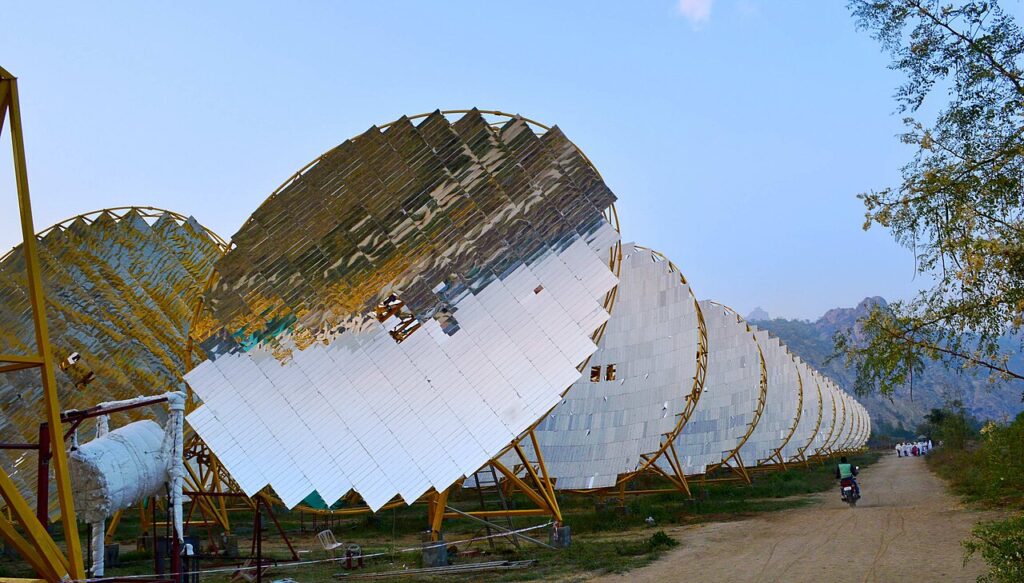
2025: The second target is met, five years early. More than half of India’s installed capacity now comes from non-fossil sources, with total non-fossil capacity standing at about 308 gigawatts — roughly 55 percent of the country’s total installed capacity of around 559 gigawatts, according to Central Electricity Authority figures. India is now ranked third in the world for solar capacity and fourth for wind.
November 2, 2026: Prime Minister Narendra Modi inaugurates the Bharat Renewable Energy Summit & Expo 2026 at Bharat Mandapam in New Delhi — a four-day event running to November 5 under the theme “Invest. Innovate. Inspire.”, held alongside the 9th International Solar Alliance Assembly and the 4th International Green Hydrogen Conference, with participants from more than 130 countries — and announces the next target: another 500 gigawatts of non-fossil capacity over the next 10 to 11 years.
Modi’s framing was energy security, not just climate virtue. He argued that had India not invested in clean energy over the past decade, the West Asia crisis would have hit it far harder than the rest of the world — that dependence on fossil fuels leaves an economy exposed to every global disruption, from pandemics to wars. The government’s own briefing puts the investment opportunity at more than 20 lakh crore rupees, about $220 billion, between 2027 and 2030, alongside a green hydrogen goal of 5 million tonnes a year by the end of the decade.
Two caveats keep this honest. First, capacity is not generation: a gigawatt of solar panels produces far less electricity over a year than a gigawatt of coal plant, because the sun does not shine at night. India’s grid will need storage, transmission lines and domestic manufacturing at a scale it has never attempted before if the new 500 GW is to mean reliable power, not just impressive announcements. Second, the 2030 target of 500 GW total non-fossil capacity still stands — the new ambition sits on top of it, not instead of it.
Even with those caveats, the sequence matters. A week before COP31 opens in Antalya, where the test is supposed to be delivery rather than promises, India arrives able to point to a promise it actually kept — five years early — and a bigger one already on the table. On a planet that, as we reported this week, is warming faster than expected, that distinction between pledges and delivery is the whole game. India’s next decade will show whether its new target belongs in the first category or the second.