The evacuation orders arrived almost at the same time, and they read like the script for a war neither side is willing to stop.
On Tuesday, the Saudi-led coalition told civilians in Yemen’s capital to clear out from around the Sabah central station of the Yemen Oil Company, a state fuel depot on a hill in western Sanaa. Its joint forces command published a map of the area and said a “special operation” was coming.
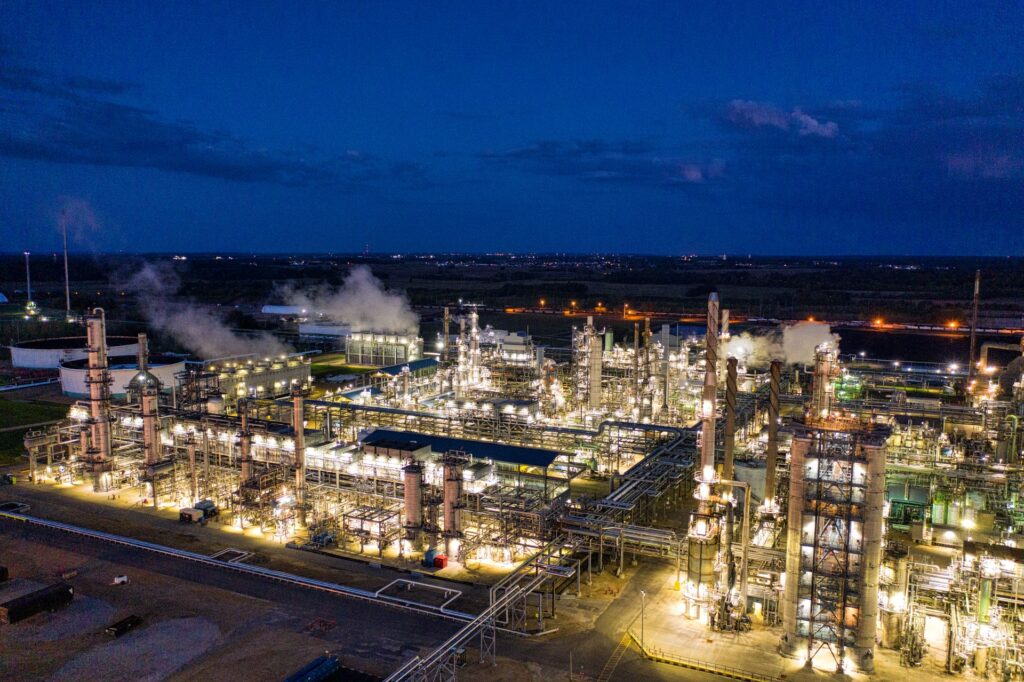
Within hours, Yemen’s Houthis answered with an order of their own — aimed at the beating heart of the Saudi economy. The group’s military spokesman, Yahya Saree, declared Saudi Aramco’s oil facilities “legitimate targets” and told all employees and civilians near any Aramco site to evacuate and stay away.
Saree paired the warning with a threat. If the coalition strikes Sanaa, he said, the answer would be “harsh and painful” — and it would fall on the Saudi capital, Riyadh.
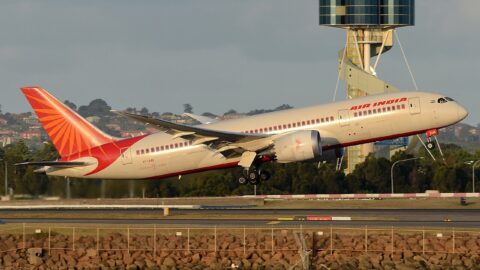
The exchange marks a sharp turn in a confrontation that has been climbing for more than a week. On Saturday, Houthi missiles slammed into Riyadh’s King Khalid International Airport, killing 13 people and wounding more than 300 in the deadliest attack on Saudi soil in over a decade. A second strike on Sunday killed one more person and injured 11, and the airport has stayed shut since — stranding pilgrims, cancelling hundreds of flights, and forcing Gulf carriers into a wave of suspensions, some stretching into next year.
The Houthis have spent the week widening their target list. On Monday, Mohammed al-Bukhaiti, a member of the group’s political bureau, told AFP that any American entry into the Saudi campaign in Yemen would draw a “swift and painful response” against the United States and its regional interests. Speaking to Sky News the same day, he said Houthi operations against Saudi Arabia would keep going “until all Saudi oil facilities and vital facilities are destroyed” unless Riyadh answered calls to end the war.
Washington is watching closely — and nervously. On Tuesday, the US embassy in Riyadh raised its travel advisory for Saudi Arabia to Level 3, urging American citizens to reconsider travel because of the risk of drone and missile strikes by Iran and the Houthis. President Donald Trump, asked outside the White House about the group, called the Houthis “behaving very badly” and said he “might” ask Turkish President Recep Tayyip Erdogan to intervene on Saudi Arabia’s behalf. He added that a decision on Iran would come “very soon.”
The Saudi cabinet, chaired by Crown Prince Mohammed bin Salman, said on Tuesday that the Houthis would face “consequences” for their repeated attacks, according to the state-run Saudi Press Agency.
Behind the warnings, the fighting is already spreading on two fronts. Saudi Arabia has been striking Houthi positions for weeks and is backing a Yemeni government counteroffensive aimed at retaking territory seized by the group along the Red Sea coast last month. At sea, the pressure is rising too: maritime data cited by Turkey’s Anadolu agency said Iranian forces targeted six commercial vessels in a single day around the Strait of Hormuz, the fastest pace since the wider US-Iran war began in February.
The kingdom’s defences are under visible strain. Riyadh has privately asked France, Britain, Pakistan and Egypt for help replenishing its missile interceptor stocks — a request made weeks ago, before the airport strikes exposed how thin the shield has become.
Why this matters: This is not just an exchange of evacuation notices. It is both sides putting the region’s energy infrastructure on the target list in writing. Aramco’s plants and terminals move the crude that steadies global prices, and the Houthis know exactly what hitting them does — they claimed the 2019 drone strikes on Abqaiq that briefly knocked out half of Saudi oil output and sent prices spiking. The dual warnings — a Sanaa fuel depot today, every Aramco site tomorrow — show the conflict sliding from airports and shipping lanes into the energy core both sides depend on. With airlines already fleeing Saudi airspace, Washington openly weighing entry into the campaign, and Trump promising a decision “very soon,” the declarations of Tuesday evening narrow the space for bluff. When the world’s most valuable oil company is told to send its workers home, markets listen — whether or not a single missile flies.
Correction: An earlier version of this article stated that 12 people were killed. It has been updated to reflect that the death toll was later revised to 13. October 14, 2026


2 Comments