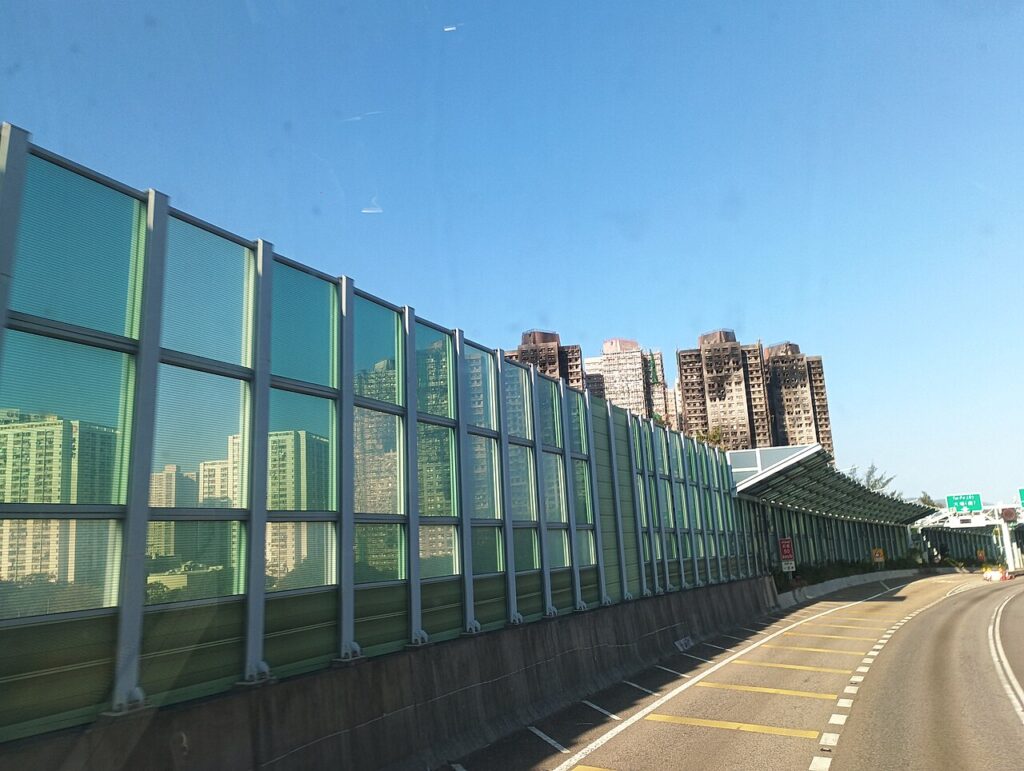
Hong Kong’s housing secretary has resigned over the city’s deadliest fire in nearly 80 years, hours after an independent inquiry blamed four government departments for failures that helped turn a renovation project into a catastrophe.
Winnie Ho stepped down with immediate effect on Thursday, Chief Executive John Lee announced at a press conference in Hong Kong, where he also apologised and bowed over the blaze at the Wang Fuk Court estate in Tai Po. The fire, which broke out on November 26 last year, killed 168 people and displaced nearly 5,000 residents. It was Hong Kong’s deadliest fire since 1948.
“We will carefully study the committee’s report, actively follow up on its recommendations and shortly announce plans for comprehensive reforms and pursuing accountability,” Lee said when the inquiry’s findings were handed to him last week — a promise Thursday’s announcements began to carry out.
The report, compiled by a judge-led independent committee chaired by High Court judge David Lok Kai-hong, runs to 12 chapters and roughly 800 to 900 pages. The panel sat for about nine months, held 30 public hearings and heard from 80 witnesses, including residents, firefighters, government officials and experts, before submitting its findings to Lee on October 22.
Its sharpest criticism falls on four government bodies. The Housing Bureau’s Independent Checking Unit, which oversees renovation work, bears the greatest responsibility, according to sources familiar with the report, for inadequate oversight of the works at Wang Fuk Court. The Buildings Department, the Fire Services Department and the Labour Department were also singled out for accountability.
The report also assigns blame to the private firms behind the renovation: the main contractor, the project consultant and an inspector. Hearings heard that scaffolding netting used at the estate varied wildly in flame-retardant performance, with some samples continuing to burn after being ignited, and that the consultancy had awarded the contractor full marks for its litigation record despite 24 occupational safety convictions between 2017 and 2023. Suspicions of bid-rigging hung over the project from the start, after the consultancy secured its role at what investigators considered an unreasonably low fee. At least 14 people have been arrested on suspicion of corruption and bid-rigging offences connected to the fire.
Alongside Ho’s resignation, the government unveiled what it called bold, comprehensive and far-reaching reforms. Bid-rigging in building maintenance work will become a criminal offence, with the city’s Competition Commission previously suggesting custodial terms of up to seven to 10 years. Amendments to the Buildings Ordinance, due before the Legislative Council by the end of the year, will shift the system from industry self-regulation towards proactive state oversight of approvals, inspections and supervision, with substantially higher maximum fines for contractors and professionals who break the rules.
A steering committee chaired by Chief Secretary Chan Kwok-ki will drive the reforms, and a two-tier administrative accountability investigation has been launched, with a timetable and a promise that it will not drag on. More detailed briefings by policy officials are expected on Friday. The report itself was released in redacted form, with the Department of Justice first reviewing it to avoid prejudicing ongoing criminal proceedings.
Ho’s departure is the first political casualty of the disaster at the top of government, and it is notable precisely because the report itself did not name any bureau secretaries. The decision to accept political responsibility anyway — Lee described the approach as “precise accountability” — signals that the government knows the public will not accept a report that blames systems but spares the people who ran them.
Why this matters beyond Hong Kong: the failures laid out in the report are not unique to one city. From London’s Grenfell Tower to high-rise estates across Asia, the pattern recurs — flammable cladding or netting, renovation contracts awarded on price rather than safety, and regulators who accept paperwork in place of inspection. Hong Kong’s answer, criminalising bid-rigging and replacing self-regulation with state inspection, will be watched by every dense city where millions of people live in towers whose facades are only as safe as the last renovation. Whether the reforms stick, and whether accountability reaches beyond one resignation, will decide whether the 168 deaths at Wang Fuk Court change anything at all.