Payments start this week
Millions of pensioners in England, Wales and Northern Ireland are about to receive money towards their heating bills, with Winter Fuel Payments of between £100 and £300 due to land from mid-November. The Department for Work and Pensions says most eligible people will be paid automatically during November and December, and letters confirming the exact amount have been going out through October and November.
The payment is tax-free, it is paid once per household for the winter, and for this winter it goes to everyone over State Pension age — after the government reversed the previous plan to restrict it. There is a catch, though, and it sits in the tax system: anyone with an individual income above £35,000 a year will have the money taken back by HM Revenue and Customs.
Here is who qualifies, how much to expect, and the cases where a claim is still needed.
Who gets it
You qualify if you were born on or before 27 June 1960 and you usually live in England, Wales or Northern Ireland. Your circumstances during the qualifying week — 21 to 27 September 2026 — decide your entitlement, so what mattered is where you lived and who you lived with in that week, not where you are now.
You do not need to receive Pension Credit or any other benefit to qualify. That is a change from the means-tested version of the scheme, and it is the reason the payment is going out to so many more households this winter. People living in Scotland cannot get a Winter Fuel Payment; Scotland runs its own separate winter heating scheme for pensioners.
There are exceptions. People in prison during the qualifying week, and people who have been in hospital receiving free treatment for a year or more, are among those who do not qualify. Most other pensioners over State Pension age are in.
How much you will get
The amount depends on when you were born and who you live with. If you live alone, or nobody else in your home qualifies, you will normally receive £200 if you were born between 28 September 1946 and 27 June 1960, and £300 if you were born before 28 September 1946.
If you live with another eligible person, the amount can be different, and it depends on whether either of you receives a qualifying benefit. Couples making a joint claim for a benefit such as Pension Credit receive one payment between them: £200 if both were born between 28 September 1946 and 27 June 1960, or £300 if one or both were born before 28 September 1946.
The payment arrives in the same bank account as your State Pension or other benefits. The letter from the DWP tells you the exact amount and how it will be paid, so if you have not had a letter by the end of November and you think you qualify, that is worth chasing.
The £35,000 clawback
The most misunderstood part of this year’s scheme is the income rule. The payment is universal in the sense that it goes out to all pensioners, but it is not free money for everyone who receives it. If your individual income is over £35,000 a year, HMRC will recover the payment through the tax system, either by changing your tax code or by adding the amount to a Self Assessment tax return.
The threshold is individual, not household, so a couple can each be judged on their own income. It is also the government’s answer to the argument over the scheme’s cost: pay everyone, then take it back from those who can most afford to do without it. Whether that is simpler than means-testing in advance is a matter of opinion; the DWP has chosen the pay-and-recover route for this winter.
Who still has to claim
Most people do not need to do anything. But the DWP has confirmed that some pensioners will not be paid automatically and must ask for the money. You need to make a claim if you have deferred your State Pension and you do not receive another qualifying DWP benefit, or if the DWP has asked you to make a claim.
There are twelve qualifying benefits that mean you are paid automatically, including the State Pension itself, Pension Credit, Universal Credit, Attendance Allowance, Personal Independence Payment, Carer’s Allowance, Disability Living Allowance, income-related Employment and Support Allowance, and awards from the War Pensions Scheme. If you receive none of these, you will need to claim.
Claims can be made by phone through the Winter Fuel Payment Centre on 0800 731 0160. The deadline for a payment for winter 2026 to 2027 is 31 March 2027. The deadline to opt out of receiving a payment this year has already passed, although pensioners can opt out of next year’s payment from 21 December.
Why this winter matters
Winter Fuel Payment is one of the most politically charged benefits in Britain, and this winter’s version is the product of a U-turn. The previous restriction of the payment to Pension Credit recipients was one of the most contested decisions of recent years, and the reversal — pay everyone over State Pension age, claw it back above £35,000 — was designed to end the argument. The payments landing this month are the first test of whether the new design works in practice.
The timing is unforgiving. Energy bills remain high, and the cost-of-living pressures that have squeezed households across the world are felt most sharply by people on fixed incomes in cold weather. For a pensioner living alone on the State Pension, £200 or £300 is not a windfall; it is a meaningful share of a winter’s heating bill, and the difference between paying it and rationing the radiators.
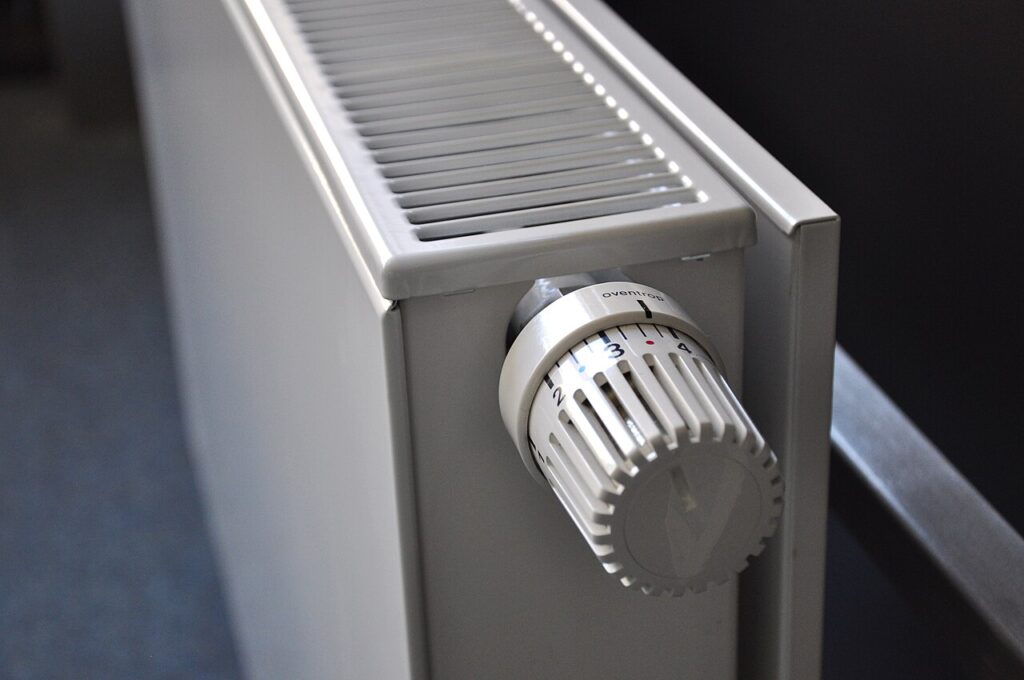
That is also why the details matter. The qualifying week has passed, the amounts are fixed, and the only question left for most households is whether the money arrives automatically or needs a phone call. If you are over State Pension age, were born on or before 27 June 1960, and live in England, Wales or Northern Ireland, check for the letter, check the bank account from mid-November, and if nothing arrives by December, call the Winter Fuel Payment Centre before the March deadline.