Tropical Cyclone Wati strengthened into a Category 2 storm as it churned toward the southern Cook Islands on Sunday, putting the island of Aitutaki squarely in its path — weeks before the South Pacific cyclone season is even supposed to begin.
At 11 a.m. local time on Sunday, the Fiji Meteorological Service placed Wati about 220 kilometres south of Suwarrow, an uninhabited atoll, packing sustained winds of around 100 kilometres per hour with gusts reaching 140 km/h. The system was crawling south-southeast at just 14 km/h. Forecasters expect the centre to pass roughly 20 kilometres northeast of Aitutaki by 11 a.m. Monday local time — close enough to rake the island with damaging winds.
On Aitutaki, the island council has activated its emergency operations centre, and preparations have been under way for days. Mayor Nicholas Henry told Cook Islands News the emergency headquarters had been set up in the power station conference room, to be manned around the clock until the cyclone alert passes. Police, the Red Cross, Vodafone and government agencies visited the homes of the vulnerable and elderly, delivering extra drinking water and tying down roofs where needed. Almost all boats had been cleared out of the Arutanga marina, and residents have spent two days buying rope for tie-downs and plywood for shutters.
“The memory of the devastation from Cyclone Pat in 2010 is still strong with many residents, so we want to be overprepared rather than underprepared,” Henry said. He urged hotels and tour operators to cancel tours and keep guests informed — and asked families near and far to pray. “We have been praying for rain, and it looks like we are going to get it this weekend.” New Zealand’s 1News reported tourists already stuck on the island as conditions deteriorated.
The Cook Islands Meteorological Service warns that winds on Aitutaki will strengthen to damaging gale force, averaging 85 km/h with gusts to 120 km/h, accompanied by heavy rain, squally thunderstorms and high seas. Residents across the southern islands have been told to secure loose items, stay off the water and keep away from exposed coastlines.
Wati has already brushed Suwarrow, where two National Environment Services rangers — Johnnie Tangaroa and Teokotai Terei — rode out the storm’s first edge in their shelter. Both are reported safe, in regular contact with headquarters, and stocked with food and fuel, though they noted erosion around their home base at Anchorage Island.
What makes Wati unusual is its timing. The official South Pacific cyclone season runs from November 1 to April 30, and Wati grew out of Tropical Disturbance TD01F, detected earlier in the week — well ahead of schedule. Australia’s Bureau of Meteorology, which is tracking the system, described a healthy structure with thunderstorms and heavy rain feeding into its eastern side, and warned Tahiti and the Cook Islands to expect heavy rainfall, gusty winds, dangerous rip currents and swells through the weekend. Forecasters point to El Niño’s unusually strong grip on the central Pacific as one reason for the early start — and warn Wati is likely the first of many storms this season.
The Pacific has had little rest. Days earlier, Super Typhoon Champi’s eyewall came ashore on Guam with 175 mph gusts, and earlier this month Hurricane Trudy bore down on Mexico as a Category 3 storm.
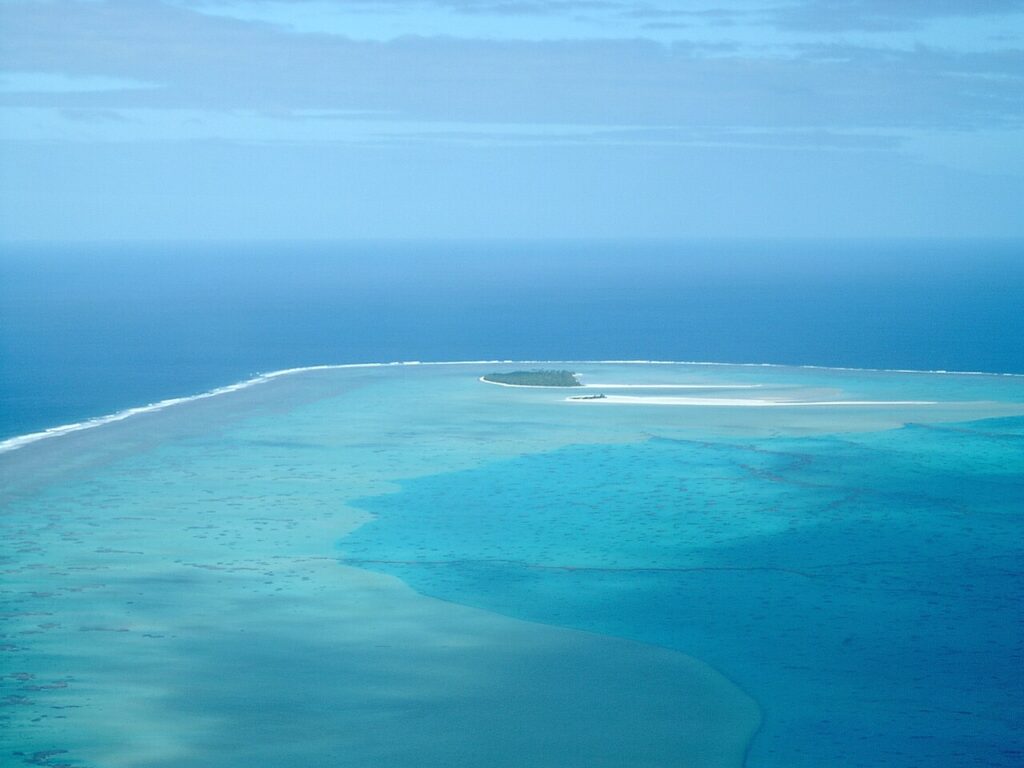
Why this matters beyond the Pacific: the Cook Islands is a self-governing nation in free association with New Zealand — 15 tiny islands scattered across two million square kilometres of ocean, home to barely 15,000 people. Aitutaki, famed for its turquoise lagoon, is the country’s second-most visited island, and its roughly 2,000 residents depend heavily on tourism. For small island states like this, a single cyclone can wipe out a season’s income and damage infrastructure that takes years to rebuild. An out-of-season Category 2 this early is a warning that the Pacific’s storm season may arrive sooner — and angrier — than the calendars suggest.