American embassies across the Middle East issued an identical security alert on Sunday, urging U.S. citizens in a dozen countries to brace for flight cancellations, airspace closures, and possible attacks as the war between the Iran-backed Houthis and Saudi Arabia shows signs of spreading.
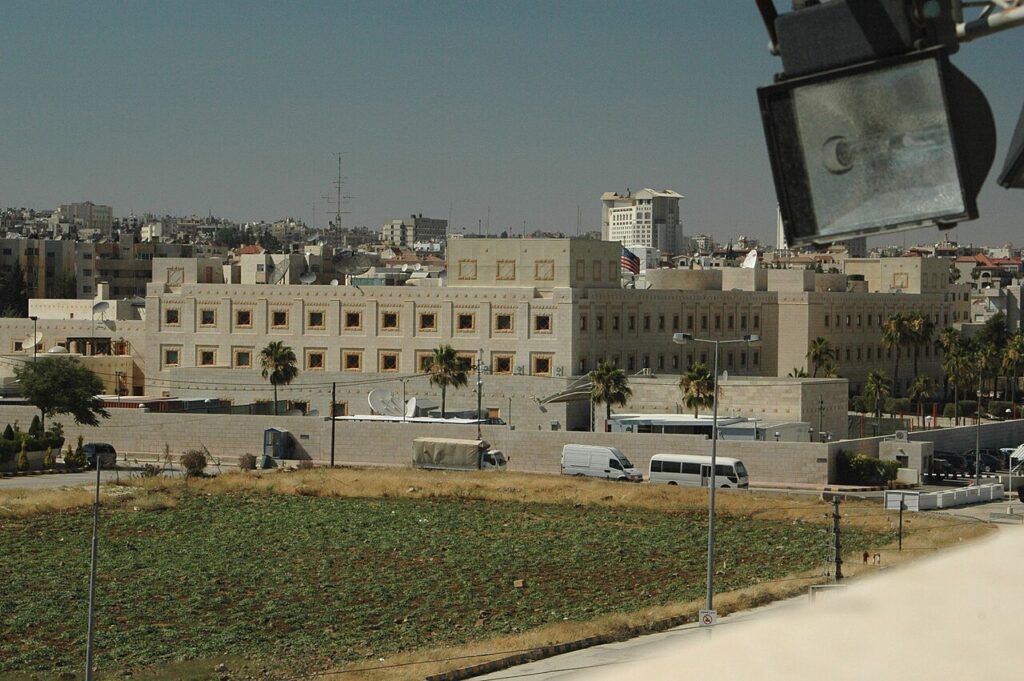
The alerts, dated October 18 and posted by embassies including those in Amman and Jerusalem, tell Americans currently in the region to “exercise heightened vigilance due to the complex security environment” and to develop contingency plans before they travel.
The reason given is blunt: “Iranian-supported Houthis have engaged in hostilities against Saudi Arabia, including attacks on civilian airports and other critical infrastructure resulting in civilian casualties and severe travel disruptions.” The advisory adds: “The hostilities have the potential to escalate rapidly beyond that immediate area.”
It goes further, warning that “Iran and groups supportive of Iran may target other U.S. interests overseas or at locations associated with the United States and Americans throughout the world, including U.S. businesses and other institutions.” Americans are advised to enroll in the State Department’s Smart Traveler Enrollment Program — a free service that pushes emergency updates to U.S. citizens abroad — to monitor local media, and to know the location of the nearest shelter or protected space.
The alert lands against a grim backdrop. The Houthis — the Iran-backed movement that controls much of northern Yemen and has fought a Saudi-led coalition for over a decade — have escalated their campaign against the kingdom. A recent attack on Riyadh’s King Khalid International Airport killed 12 people and injured more than 300, and on Sunday a Houthi projectile struck a residential street in Najran, injuring six civilians and damaging homes and vehicles.
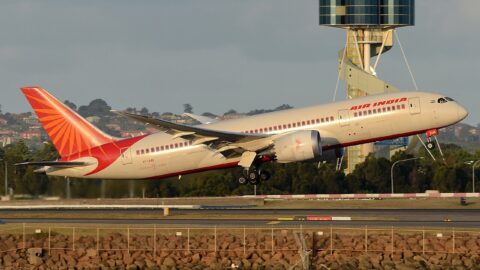
Regional air travel is already rattled. An Austrian Airlines flight from Tel Aviv was forced into an emergency landing in Sofia after a bomb threat on Sunday. And Saudi Arabia’s allies are mobilizing: Egypt’s defence council has pledged “all necessary support” to Riyadh, with President Abdel Fattah el-Sisi seeking parliament’s approval to send troops.
The warning also sits inside the wider U.S.-Israel-Iran war. Just hours earlier, Donald Trump gave Benjamin Netanyahu his “complete and total endorsement” nine days before Israel’s October 27 election and warned that the United States would “soon finish the job” against Iran. Iran’s foreign minister answered with a dare: “Be our guest” — Tehran, he said, has “unfinished jobs” of its own.
This is not a routine travel advisory. Coordinated, multi-country alerts of this kind are rare, and they amount to the State Department telling its citizens plainly that the war in Saudi Arabia may not stay in Saudi Arabia. For anyone flying in or out of the Middle East in the coming days, the warning is concrete: check flight status directly with airlines and have a backup plan. For Washington, the alert is a public signal that it expects the conflict to widen — raising the stakes for American citizens and assets far beyond the battlefield. Whether that escalation comes or not, the alert itself marks a new level of official American alarm.