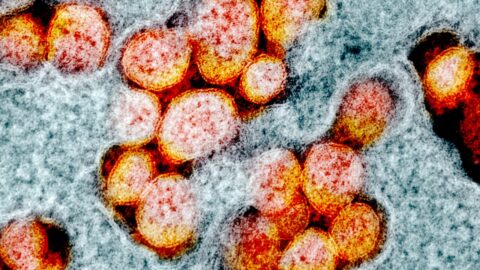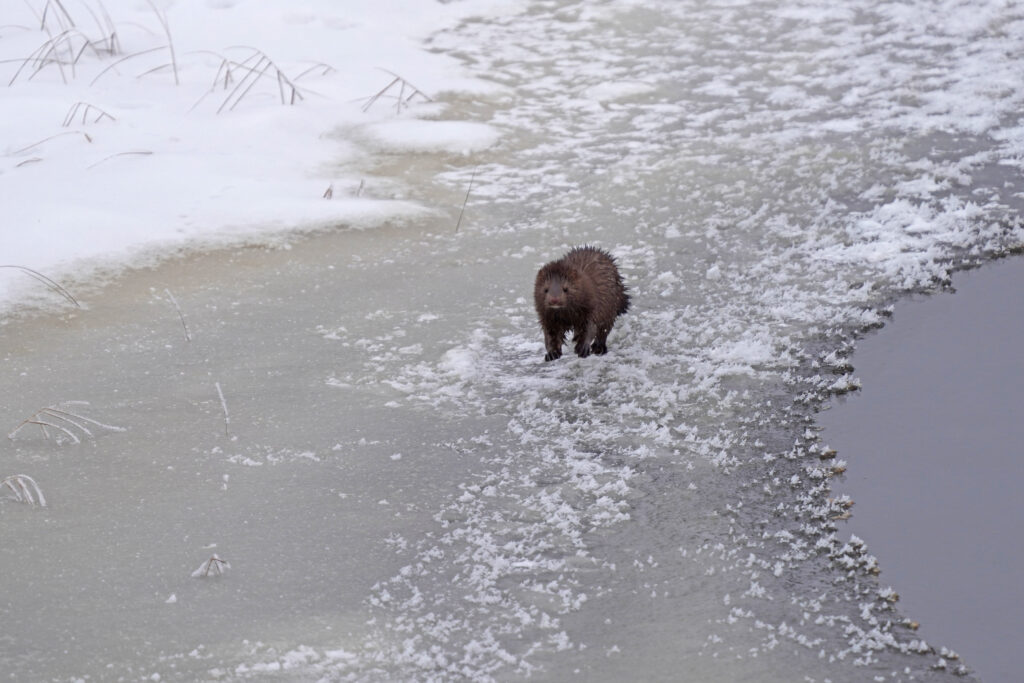
For more than two months, bird flu has been spreading through a mink farm west of Provo, Utah — and nobody has stopped it. No cull has been ordered. Farmworkers have not been routinely monitored. Samples taken in October were still unanalysed weeks later. The story, pieced together by ProPublica from state records and published on October 23, reads less like a public health response than a shrug.
The timeline
Early July 2026 — the virus arrives. Genomic analysis published on October 22, by researchers from the US National Institutes of Health, Britain’s Pirbright Institute and France’s CNRS, traces the outbreak to a single introduction in early July, weeks before anyone noticed. All ten sequenced viruses belong to genotype B3.13, the H5N1 lineage that has spread through American dairy herds since 2024; their closest relatives are cattle viruses sampled in Texas in May 2026.
August 7–17 — the first positive tests. Samples collected on August 7 confirmed H5N1 in captive mink on August 17, according to the US Department of Agriculture’s dashboard, which lists seven positive mink in Utah. State records cited by the Salt Lake Tribune show officials expected losses around 80%. An internal message from a state agriculture official on August 21 laid out three options: vaccination, depopulation, or, in the official’s own words, “watch them die”.
September — the waiting. The farm, C&T Fenn Farms, was placed under what ProPublica describes as a verbal hold. No cull followed. No vaccination programme existed — there is no approved mink vaccine. The state veterinarian later acknowledged there were “not a lot of options” beyond, as one account put it, “sitting and waiting”.
October 15–23 — the wider picture sharpens. A Washington dairy worker’s infection, announced on October 15, was confirmed by the CDC on October 23 as H5N1 — the first such case in a Washington dairy worker. The same day, ProPublica reported that worker monitoring at the Utah farm had halted, and that reporters visiting the farm had met a worker with a visibly red eye, a symptom the CDC says should prompt a test. The farm’s owner, Chad Fenn, said it was dust and had cleared up.
Why mink scare scientists
Mink are not just another farm animal. Their airways carry many of the same cell receptors found in human noses and throats, which makes them a plausible “mixing vessel” — a host where bird flu and human flu could meet, swap genes, or pick up mutations that help the virus infect people more easily. That is why the October genome report drew attention: all ten mink viruses carry a change in the PB1 gene, PB1-K388R, that is rare in birds and was also seen in Spain’s mink outbreak in 2022. The researchers stress what it does not show — no additional known mammal-adapting changes in the PB2 gene, and no evidence of human-to-human spread.
The official response has been a study in missing authority. The USDA told ProPublica it has no “species-specific regulatory authority or dedicated programs” to vaccinate, cull or compensate mink owners, and that Congress would have to fund a culling programme. The federal poultry culling programme has cost more than $1 billion since 2022; mink were never included. Utah’s health department said it would actively monitor workers only with evidence of human-to-human transmission — which, by definition, would arrive after the thing monitoring is meant to prevent.
What this is, and what it is not
Two facts keep the story in proportion. H5 bird flu has killed two people who caught it from infected animals, and officials rate the risk to the general public as low. Pasteurised milk remains safe, and there is no confirmed human-to-human spread in the United States. The alarm is about the open window: a virus that has already jumped from birds to cows to mink, sitting in thousands of susceptible mammals for months, while the samples that could tell scientists whether it is changing gather dust.
That window is the real subject here — the same gap between knowing and acting that defined America’s worst measles year since 1991 and the WHO’s warning about lead poisoning: a hazard that is understood, a response that is unfunded, and a clock that keeps running. What to watch now is concrete: whether the USDA acts on vaccination or compensation, whether newer mink genomes are analysed, and what the CDC’s next FluView report says. Until then, the farm west of Provo keeps doing what it has done since August — waiting, while the virus does not.