Q: How many people does lead actually kill?
More than 3.5 million every year, according to the World Health Organization — which on Thursday urged countries to accelerate action against what it calls an entirely preventable crisis. Hundreds of millions of children are affected worldwide. To put the number in perspective: lead exposure kills more people annually than most headline diseases, yet it rarely makes the news.
Q: Where does the lead come from?
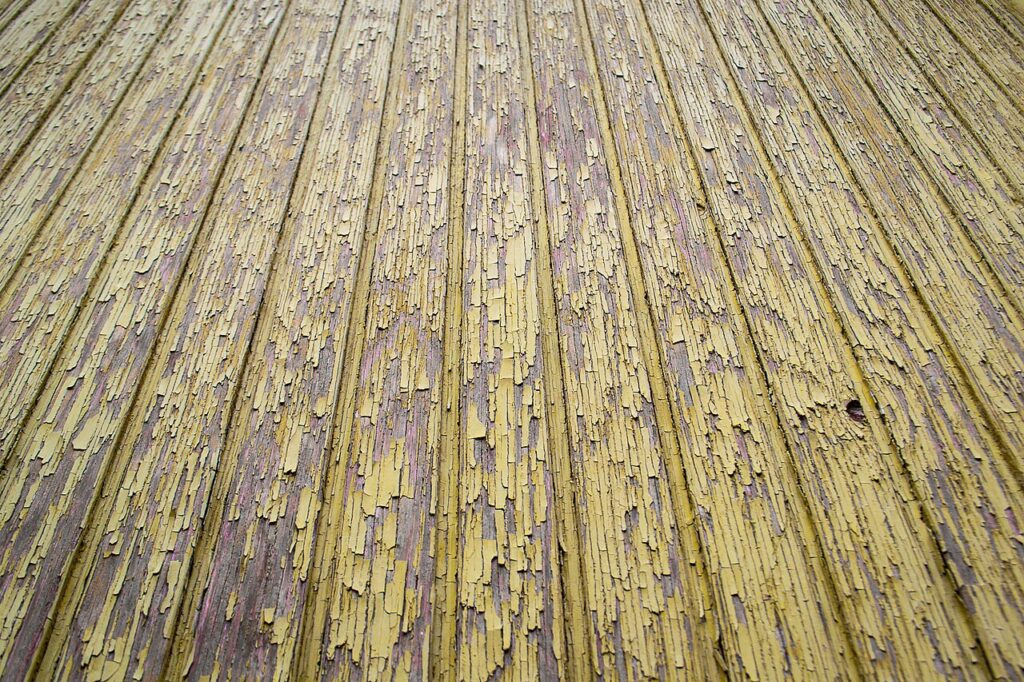
It hides in ordinary things. Old paint flaking off walls is the classic source, but the WHO lists cookware, cosmetics, spices, informal recycling operations, and industrial contamination too. There is no known safe level of exposure — even relatively low contact can cause irreversible harm, and symptoms often stay invisible until significant damage is already done.
Q: Why are children the most vulnerable?
Because their brains and nervous systems are still developing, and lead attacks exactly that. In children, exposure causes irreversible damage to the brain, plus learning difficulties and behavioural problems that last a lifetime. In adults, it contributes to cardiovascular and kidney disease. As the WHO’s Bruce Gordon, interim director of its environment and health department, put it: “Lead poisoning should not be stealing children’s potential in 2026.”
Q: If it is preventable, why is it still happening?
Because prevention requires laws, enforcement, and testing — and most of the world has none of the three. Fewer than half of countries have confirmed legally binding controls on lead in paint, according to the WHO’s latest global assessment. Gordon’s prescription is blunt: “Countries now need to move upstream, removing lead from products and environments before it reaches a child’s bloodstream.” The WHO wants countries to eliminate lead hazards from products, strengthen regulations and enforcement, improve monitoring and surveillance, manage poisoning cases better, raise public awareness, and clean up industrial practices and waste management — with children and vulnerable populations first in line.
Q: What happens next?
Timing is deliberate. The WHO issued its call days before International Lead Poisoning Prevention Week, which runs October 18–26 this year under the theme “From Detection to Prevention.” The agency is also building blood-lead testing lab capacity in Brazil, five Indian states, Nepal, and seven sub-Saharan African countries — Ethiopia, Ghana, Malawi, Rwanda, South Africa, and Tanzania — so exposure can actually be measured where it is worst. And member states have mandated a Global Action Plan on lead mitigation, to be presented at the World Health Assembly in 2027, alongside a new PREVENT technical package of guidance on priority sources, interventions, and enforcement.
Q: Why does this matter beyond public health?
Because lead poisoning is a solved problem wearing an unsolved-problem costume. We know where exposures come from and how to prevent them; what is missing is policy and enforcement, concentrated in the countries least able to afford either. The burden falls hardest on poor children in poor countries — the same pattern as the invisible pandemic of antimicrobial resistance, another slow crisis that kills millions while the fixes sit on a shelf. Read the WHO’s statement and the question answers itself: 3.5 million deaths a year, from something we already know how to stop.

One Comment