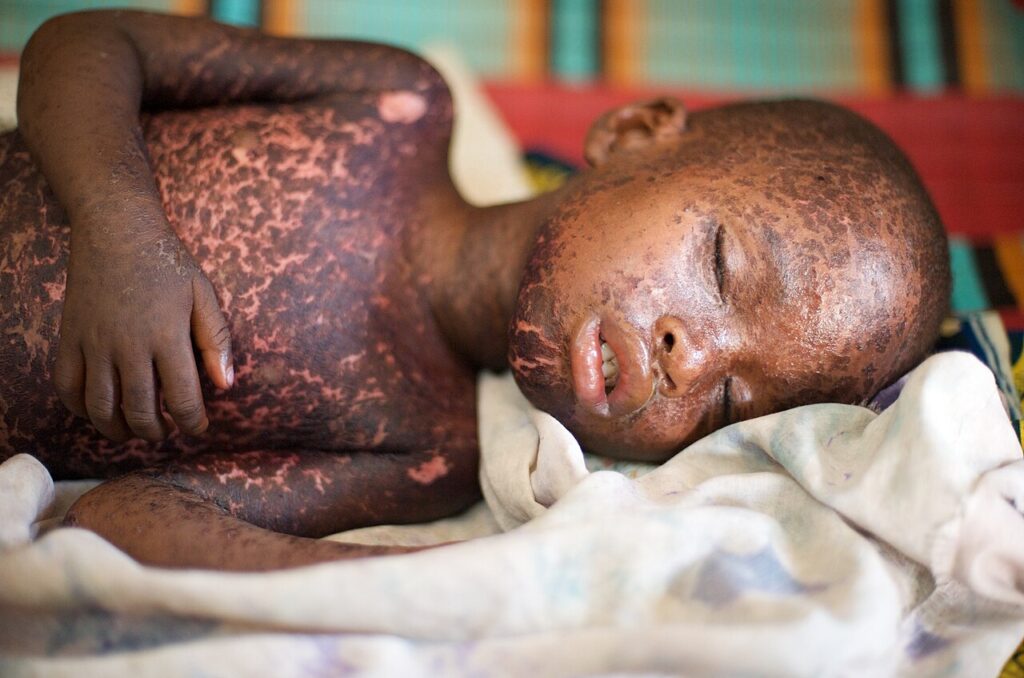
- The US has recorded 4,080 measles cases in 2026 as of October 8 — already nearly double all of 2025, and the worst year since 1991.
- 95% of patients were unvaccinated or had unknown vaccination status.
- Pennsylvania is the epicenter: 1,136 cases, 219 hospitalizations, five deaths. New York has declared a statewide disaster emergency.
Measles was declared eliminated in the United States a quarter of a century ago. The numbers say it is roaring back.
New data from the Centers for Disease Control and Prevention puts the 2026 tally at 4,080 confirmed cases, driven by 42 active outbreaks across 47 jurisdictions. For comparison, all of 2025 saw 2,289 cases — itself the highest total in three decades. The country has not seen anything like this year since 1991.
The human cost is mounting. Roughly one in ten patients — 414 people — has been hospitalized, nearly double last year’s 244. The deaths are concentrated in one state: Pennsylvania alone accounts for five measles-associated deaths, alongside 1,136 cases and 219 hospitalizations, the largest state-level outbreak in more than 30 years. New York, with 108 cases, has declared a statewide disaster emergency to expand testing and vaccination access.
Children are bearing the brunt
School-aged children and teenagers between 5 and 19 make up 42% of cases, the largest single group. Adults over 20 account for 40%. The common thread across every age bracket is vaccination status: 95% of this year’s patients were unvaccinated or had unknown vaccination status, and only about 2% had received both doses of the MMR vaccine.
That last figure is the whole story. Measles is among the most contagious diseases known to medicine — one infected person can pass it to 12 to 18 others in a population with no immunity, and roughly nine in ten exposed, non-immune people will catch it. The virus spreads through the air on coughs, sneezes and even ordinary breathing, and it can linger in a room for up to two hours after the infected person has left. Against that kind of transmissibility, vaccination coverage has to stay above about 95% in a community to keep the disease boxed in. In pockets of the US, it has slipped well below that line.
How we got here
The reasons are not mysterious. Missed childhood vaccinations during the pandemic years left a cohort of under-immunized children; vaccine refusal and hesitancy have hardened in many communities; and a highly mobile population means a single imported case can seed an outbreak in a susceptible pocket within days. Eighteen of this year’s US cases involved international visitors — a reminder that in a globalized world, no country’s elimination status is permanent.
Public health officials describe the same pattern playing out again and again: an introduction, a cluster of unvaccinated contacts, and a slow, grinding chain of transmission that exhausts local health departments. The US is not alone — Bangladesh is fighting one of the worst measles outbreaks in its modern history, with over 1,100 deaths this year — but the American surge is striking because the country once solved this problem.
What happens next
The trajectory is still climbing, and October is not the end of the story — respiratory virus season is just beginning. Health agencies are pushing catch-up vaccination drives, but immunity takes weeks to build after the shot, and the unvaccinated remain exposed in the meantime.
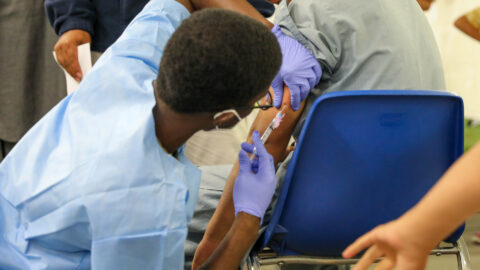
There is no mystery about what works. Two doses of the MMR vaccine are about 97% effective at preventing measles, and the vaccine’s safety record spans more than half a century. The question hanging over the rest of 2026 is whether the country that eliminated measles can persuade enough of its own citizens to keep it that way.
Related: How mRNA vaccines taught the human body to defend itself · Kenya confirms its first-ever Ebola case

2 Comments