The meals were supposed to look prettier. That was the entire point.
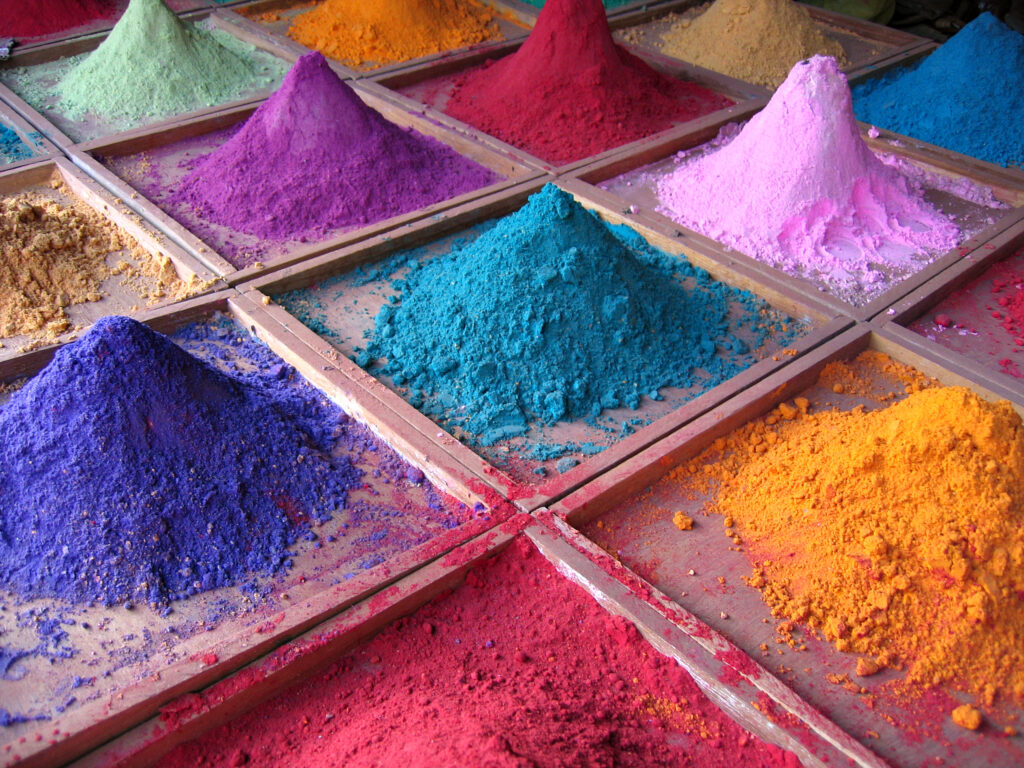
In a courtroom in Lanzhou on Friday, the owner of a kindergarten in China’s northwestern Gansu province learned how much that decision would cost her: Li Huifang, who ran the Heshi Peixin Kindergarten in the city of Tianshui, was sentenced to life in prison for producing and selling toxic, harmful food. Her crime was allowing kitchen staff to stir inedible paint — bought online, clearly marked as unsafe for consumption — into the meals served to her pupils, to make the food look more colorful.
The scale of what followed is what made this China’s worst food-safety scandal involving children in nearly two decades. Of the 251 children enrolled at the kindergarten, 233 were found to have abnormal levels of lead in their blood. More than 20 staff members were also exposed. Laboratory tests found lead levels in the food more than 2,000 times China’s national safety limit.
What happened
The poisoning came to light in July 2025, when children at the kindergarten began falling ill. Investigators found that canteen workers had been diluting decorative paint and mixing it into dishes including steamed red date cakes and sausage corn buns — foods meant for small children. The paint had been purchased online with the full knowledge of Li and the school’s executive principal, Zhu Jinglin.
The numbers in the lab reports were difficult to absorb. The red date cakes contained lead at 1,052 milligrams per kilogram; the corn sausage rolls at 1,340 milligrams per kilogram. China’s national food safety limit is 0.5 milligrams per kilogram. Lead poisoning is “particularly harmful to young children” and can “severely damage the brain and central nervous system,” according to the World Health Organization.
The sentences
The Lanzhou Intermediate People’s Court handed down six verdicts at once. Li received life in prison and the confiscation of 500,000 yuan (about US$75,000) of her personal assets, state broadcaster CCTV reported. Zhu, the principal, got 15 years and a 300,000-yuan fine. Four kitchen workers — Niu Aiyuan, Wen Aiyuan, He Xuxia and An Chunling — received between six and eight years each, plus fines. The court found they had been instructed by Li and Zhu to add the toxic ingredients to the food served to children and staff.
The verdicts landed a day after the WHO issued a stark global warning about lead poisoning, calling it a preventable crisis killing an estimated 3.5 million people a year. The timing was a coincidence. The contrast was not: one day a global health agency pleaded for lead to be taken out of the environment; the next, a Chinese court punished people who had put it into children’s lunchboxes.
Why this matters beyond China
The case immediately drew comparisons to 2008, when suppliers added melamine — an industrial chemical — to milk powder in China to fake higher protein readings. Around 300,000 children fell ill in that scandal. The melamine crisis rewrote food-safety regulation in China and shook global confidence in Chinese supply chains for years. The lead-paint case revives the same uncomfortable question: how does deliberate adulteration still happen, in a system built specifically to prevent a repeat of 2008?
People’s Daily, the ruling Communist Party’s flagship newspaper, said the scandal had “dealt a severe blow to food safety standards,” but that there would be “zero tolerance” for any act that harmed public health. The life sentence for Li is the loudest possible version of that message — China’s courts reserve it for crimes the state wants framed as unforgivable. It also signals something the rest of the world watches closely: when food fraud reaches children, Beijing’s response is political as well as judicial. Export markets, regulators abroad, and parents buying Chinese-made products all read these verdicts as a stress test of the country’s food-safety promises.
For the 233 children, the sentence ends nothing. Lead does its damage quietly and permanently — the developmental harm to young brains cannot be undone by a court ruling. That is the part of the story the verdict cannot fix, and the reason the WHO’s warning, issued a day earlier, reads less like a coincidence and more like an unfinished sentence.