Three days with no warning
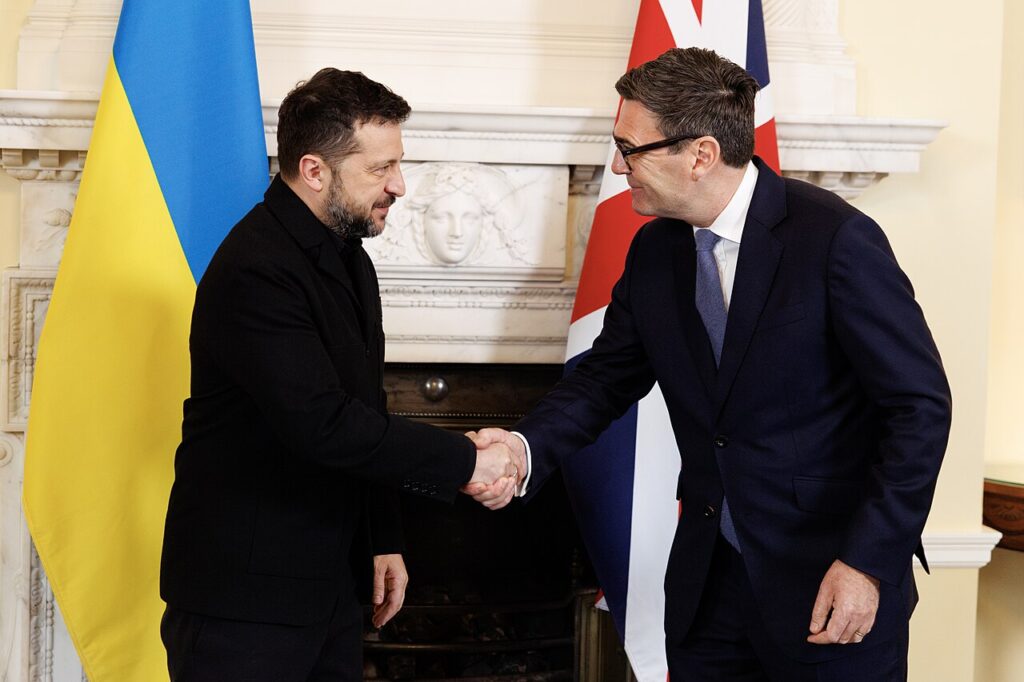
Volodymyr Zelenskyy, Ukraine’s president, didn’t reach for diplomatic language on Sunday. In a prerecorded interview with NBC’s Meet the Press that aired October 18, he said the United States had cut off the intelligence feed that warns Ukraine of incoming Russian ballistic missiles — and only just turned it back on.
“It was blocked for some period of time. And then it was de-blocked by the American side. We are very thankful for this. Now it works,” Zelenskyy said. Asked how long the blackout lasted, he put it at three days.
For a country under daily air attack, three days is a long time to be blind. “We didn’t see attacks of Russia using ballistic missiles,” Zelenskyy said. “We have dozens of countries who help. But only the United States has this unique intelligence to tell our side when Russia uses ballistic missiles. And we didn’t get it during ballistic attacks during three days.”
Why the US feed is irreplaceable
Intelligence sharing, in this context, is not a spy-movie abstraction. It means satellite and radar data on Russian missile launches — the few minutes of advance notice that let air defenses move and civilians take cover before a ballistic missile, which travels too fast for most radar to track on its own, reaches a city. European partners provide some intelligence — France’s foreign minister said this week that two-thirds of what Ukraine gets from allies comes from Europe — but for ballistic-missile launch detection, Washington is the only supplier.
That monopoly is what makes the blackout such a potent lever. And this wasn’t the first time the lever was shown. The White House had warned — US officials delivered the message to Ukraine’s embassy in Washington, and again during talks in Miami on October 9 — that intelligence cooperation could be suspended if Kyiv kept striking Russian oil refineries with long-range drones.
The refinery fight behind the blackout
The dispute is about fuel prices, not just fuel. President Donald Trump declared a unilateral “energy ceasefire” in the war last week, catching Kyiv off guard, and blames Ukraine’s refinery campaign for rising diesel prices at home with midterm elections on November 3. Ukraine says it halted strikes on Russian energy targets for several days in response — then resumed them because Russia kept bombing Ukraine’s own power grid and substations.
Trump said earlier this week that Washington had never stopped sharing intelligence, even as Ukrainian officials said several Russian strikes arrived without the usual warning. The most serious was the October 12 attack on Kyiv, when five ballistic missiles hit civilian infrastructure. At the time, Zelenskyy said Ukraine had received no timely warning from foreign partners about the launches. Sunday’s interview closes that gap: the warning wasn’t late by accident. It wasn’t sent at all.
One restriction remains
Zelenskyy was careful to say the intelligence tap is flowing again. The other choke point — the speed restriction on Starshield, the military version of SpaceX’s Starlink satellite network, which cuts connectivity for terminals moving faster than about 160 km/h and has crippled Ukraine’s interceptor drones — is still in place. Asked whether Trump or Elon Musk ordered that restriction, Zelenskyy said he did not know, though he believed both were involved.
Still, there was a gesture toward the future. Zelenskyy said he hopes to meet American officials this week, possibly October 20 or 21, and called himself open to talks “even with all the difficult circumstances.”
Why this matters
The episode is a case study in how one ally can hold another’s air defense hostage without firing a shot. A ballistic missile warning isn’t a diplomatic courtesy — it is the difference between a shelter siren and silence. The blackout showed Washington willing to trade Ukrainian cities’ warning time for leverage over Ukrainian targeting policy, and then to trade it back once the pressure registered. That precedent travels well beyond Ukraine: every ally watching — from Taiwan to the Baltic states, whose own airspace incidents spiked this week — now knows exactly what dependence on a single American feed costs when politics shifts. Restoring the feed ended the crisis. It did not remove the lesson.


One Comment