The Trump administration has a new idea for ending the war in Ukraine: Europe should start buying Russian gas again.
The proposal was floated by Donald Trump’s two peace envoys — Steve Witkoff, his special envoy, and Jared Kushner, the president’s son-in-law — in recent talks with Ukrainian and European officials, The New York Times reported on Saturday, October 17. According to the newspaper, the pair raised the idea with Volodymyr Zelenskyy during a visit to Kyiv last month, and again at a meeting with Ukrainian and key European officials in Miami earlier this month.
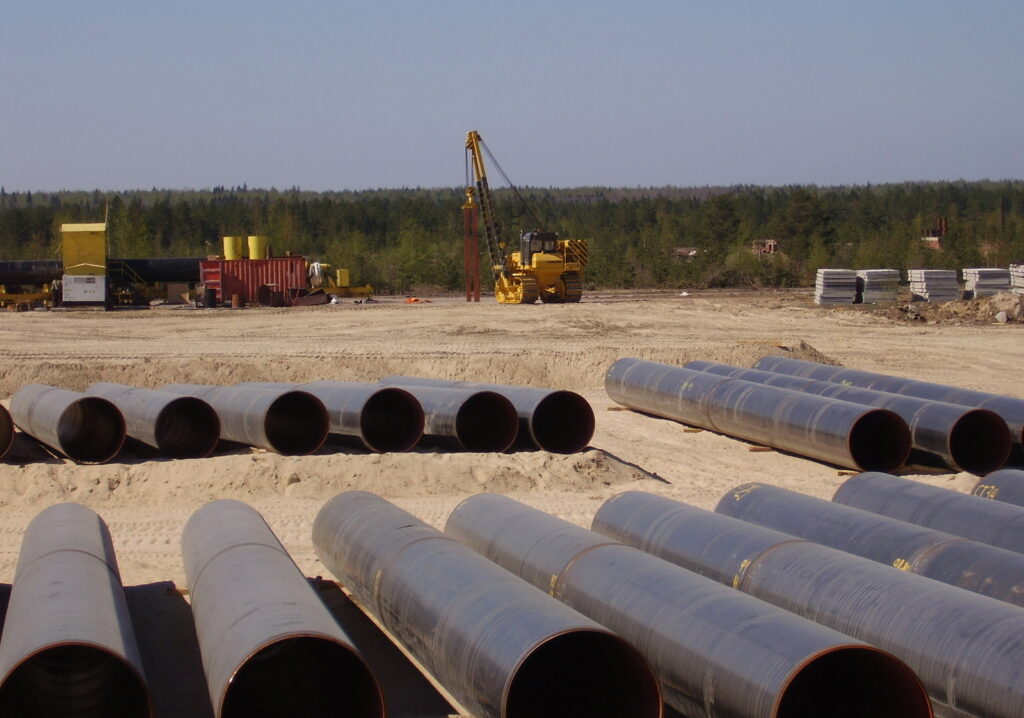
Trump officials argued that restarting the pipelines that once carried Russian gas through Ukraine into Europe would serve everyone’s interests: Ukraine would recover the pipeline transit fees it gave up — worth roughly $1 billion a year — Europe would get cheaper energy, and Moscow would gain an economic reason to stop the fighting.
The European delegation was, in the Times’ words, taken aback.
Why Europe says no
Since Russia’s full-scale invasion in 2022, the European Union has spent four years trying to cut its dependence on Russian gas — a campaign backed, until now, by Washington. It worked: Russia’s share of EU gas imports fell from 45% in 2021 to just 13% last year. Ukraine shut off Russian gas transit through its territory entirely in January 2025. Today the only Russian pipeline still feeding Europe is TurkStream, which runs under the Black Sea to Turkey.
Brussels views the American proposal as asking Europe to undo all of that — and hand Moscow back a lever it spent a decade learning how to use. Cheap gas once bought political influence: several European leaders remember how winters of gas negotiations sharpened Russia’s diplomatic weight long before the 2022 invasion. The Europeans also suspect Washington would want a cut of any renewed gas trade, and American energy companies are quietly alarmed for a different reason: every cubic meter of Russian gas Europe buys is one less it buys from US liquefied-natural-gas exporters, who filled much of the gap after 2022.
The White House, in a statement to the Times, defended the pitch. It said it “has been working closely with Ukraine and European partners on a comprehensive peace proposal that includes economic incentives for both Russia and Ukraine as part of a final settlement,” adding that the goal is “not simply to end the fighting but to create conditions for lasting peace, economic recovery, and greater stability across the region.”
The gas proposal is reportedly one economic strand in a wider settlement that would also cover Russia’s future relationship with NATO, security guarantees for Ukraine, and the question of territorial control. The White House denied that the Nord Stream pipelines under the Baltic Sea — the direct Russia-Germany route, now idle — were part of recent discussions. Kremlin spokesman Dmitry Peskov welcomed the logic anyway, saying resuming energy cooperation was in Russia’s interest and “even more in Europe’s.”
A pattern is emerging
The gas pitch did not arrive out of nowhere. It is the third economic sweetener Washington has offered Moscow in as many weeks. On October 10, Trump struck a diesel-import deal with Vladimir Putin that Zelenskyy called a gift that would fund the war. On Friday, Trump signed an executive order waiving the Graham Act sanctions bill a day before it would have slapped tariffs of up to 100% on India’s and China’s Russian oil purchases. Now comes the gas proposal.
The New York Times’ assessment was blunt: “Rather than pressure President Vladimir V. Putin or try to strengthen Ukraine’s war effort, the administration has spent significant time exploring economic incentives for Russia.”
The strategy is drawing fire at home. Senate Minority Leader Chuck Schumer, reacting to the sanctions waiver on X on Saturday, wrote: “Trump just gave Putin the best birthday gift he’ll get this year. By giving the Russian economy life support, Trump’s deal with the devil keeps getting dirtier. There’s nothing America First about Trump caving in to Putin and exempting Russia from US sanctions.”
Zelenskyy, for his part, has signaled he is ready to talk — on Saturday he said Ukraine would negotiate “anywhere” and in “any format” — but wants Washington to “put more pressure on Putin, not on us.”
Why this matters
The gas proposal reveals the shape of Trump’s Ukraine strategy: peace through commerce. The administration’s bet is that Putin is fundamentally a businessman who can be bought out of a war with trade deals — diesel, sanctions relief, and now a pipeline renaissance. It is the same transactional logic Trump applied to his unilateral “energy ceasefire”, which Russia has not honored for a single day: Moscow kept bombing Ukraine’s power grid even as Washington kept offering economic carrots.
For the rest of the world, the stakes are not abstract. If Europe reopens its gas market to Moscow, it redraws the energy map: American LNG exporters lose their biggest growth market, and every government that spent four years building alternatives to Russian gas — from Qatar to Algeria to US shale fields — watches its leverage evaporate. And if Putin accepts incentives without concessions, the lesson every aggressor draws is simple: start a war, endure three years, and the West will eventually pay you in gas contracts.
Whether the proposal survives Brussels is another question. The EU’s answer so far has been a diplomatic horror movie face. But the midterms are three weeks away, and Trump’s priority is cheap energy and a ceasefire he can claim credit for. If the pipeline idea dies in Brussels, expect another version of it soon — the envoys are clearly just getting started.