The attack reached Dammam — 750 km from the capital
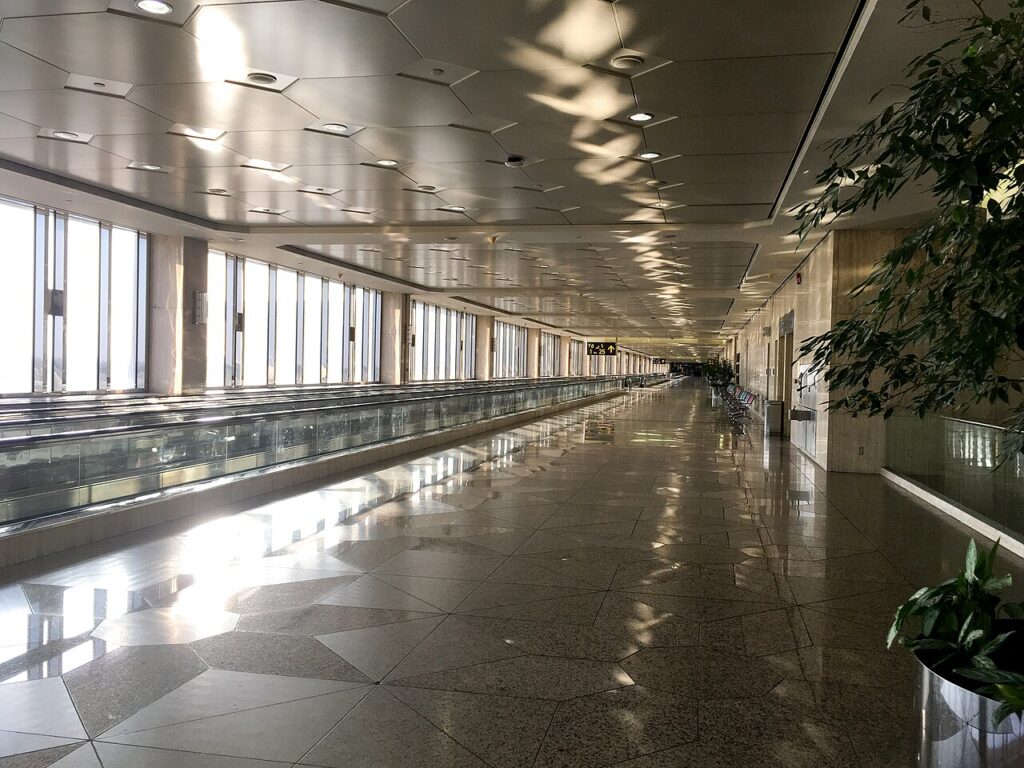
One person is dead and eight more are hurt after an attack on King Fahd International Airport in Dammam, on Saudi Arabia’s eastern Gulf coast, the country’s civil aviation authority announced early Thursday. The injured were rushed to hospitals with injuries ranging from minor wounds to critical ones, according to the General Authority of Civil Aviation (GACA). Officials were still assessing the damage to the airport, and had not publicly described the weapon used.
The announcement came within hours of a second deadly incident. Saudi air defenses intercepted a drone aimed at Saudi Aramco’s Shaybah oilfield in the kingdom’s southeast earlier on Wednesday. The interception succeeded — but falling debris killed two people and injured two more, the Saudi Energy Ministry said. The two dead were Nepali and Filipino nationals; the injured were from Pakistan and India.
Aramco said operations at Shaybah, which can pump about a million barrels of crude a day, were unaffected. A vehicle outside the facility’s perimeter caught fire, the ministry added.
No claim of responsibility — yet
Saudi authorities blamed the Houthis for the Dammam airport attack, according to the Wall Street Journal. The Houthi movement — an Iran-backed group that controls much of Yemen, including its capital Sanaa — did not immediately claim either incident. The attacks fit a pattern, though. In early October, Houthi missiles struck Riyadh’s King Khalid International Airport: a strike on October 10 killed at least 12 people and injured more than 300, and a second one the next day killed one and hurt 11. The Houthis also hit Aramco’s headquarters in Dhahran a week ago. The campaign forced the kingdom to postpone its flagship Future Investment Initiative conference to next year.
Overnight, flight-tracking service Flightradar24 reported on X that flights were being diverted away from Dammam’s airport.
Washington pulls embassy staff
The United States responded by ordering out non-emergency personnel. The State Department ordered “non-emergency US government employees and their family members in Saudi Arabia” to leave, spokesman Tommy Pigott said, citing attacks on civilian airports and critical infrastructure that had caused casualties and travel chaos. He stressed that the formal departure order covered Saudi Arabia only, though a diplomatic source told Agence France-Presse that some embassy families were also being withdrawn from the United Arab Emirates, Jordan, Qatar and Bahrain. The US Embassy in Riyadh issued a security alert warning of further possible Houthi attacks.
A senior American official added that hostilities “have the potential to escalate rapidly, including beyond the immediate area.”
Why this matters
Dammam changes the map. The Houthis have shown they can hit Riyadh; now they have reached the kingdom’s eastern province, the heart of the oil industry near Bahrain, home to thousands of foreign workers. The casualties at Shaybah tell their own story — the dead and hurt were migrants from Nepal, the Philippines, Pakistan and India, the workforce that keeps Gulf oilfields running.
Two things are being decided at once. On the ground, Saudi air defenses are intercepting drones almost daily — and still losing people to the debris. In Washington, the ordered departure of embassy staff is the kind of step governments take when they expect things to get worse, not better. For the rest of the world, the through-line is straightforward: attacks on civilian airports and energy infrastructure, a US pullout of diplomats, and a war that is now eight months into a regional cycle that began with the US-Israeli war on Iran — all of it putting oil markets and air travel in one of the world’s most watched regions on edge.
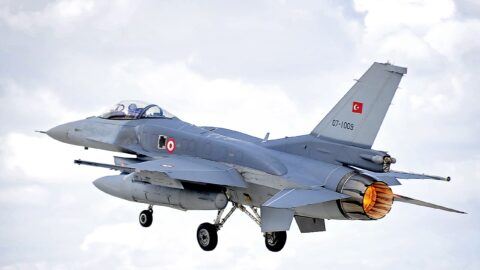
US embassies have been warning Americans across the Middle East of flight cancellations and attacks as the Houthi war escalates. Turkey, meanwhile, has moved to deploy military personnel to Saudi Arabia under the Mecca Defence Pact.
Sources: Saudi GACA statement via Al Jazeera and The Hindu; Saudi Energy Ministry statement via Moneycontrol; US State Department statement; US State Department Saudi Arabia travel advisory.