Turkey is moving to put its own military personnel on Saudi soil — a step that would turn a two-month-old defence pact into an actual deployment and place a NATO member’s army squarely in the middle of the Iran war.
Ankara will submit a mandate to parliament authorizing the deployment of Turkish military personnel to Saudi Arabia under the joint defence agreement it signed with Riyadh and Islamabad this summer, a lawmaker from the ruling AK Party told Reuters on Wednesday.
The lawmaker, who spoke on condition of anonymity, said the mandate would go to parliament once a bill ratifying the accord has been approved. The ratification bill itself only reached Turkey’s legislature on Tuesday.
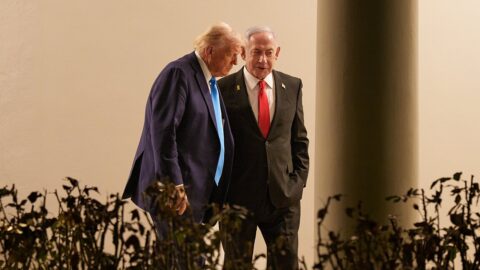
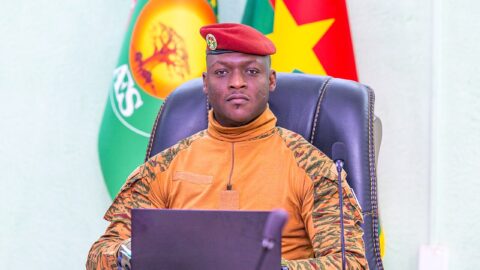
The sequence matters. On August 7, President Recep Tayyip Erdoğan, Saudi Crown Prince Mohammed bin Salman and Pakistani Prime Minister Shehbaz Sharif signed the Mecca Joint Defence Agreement — a pact whose central clause mirrors NATO’s famous Article 5: an armed attack on any one of the three countries is to be treated as an attack on all three. Tuesday’s submission put the pact before Turkish lawmakers; Wednesday’s revelation shows the government already has deployment plans ready to follow.
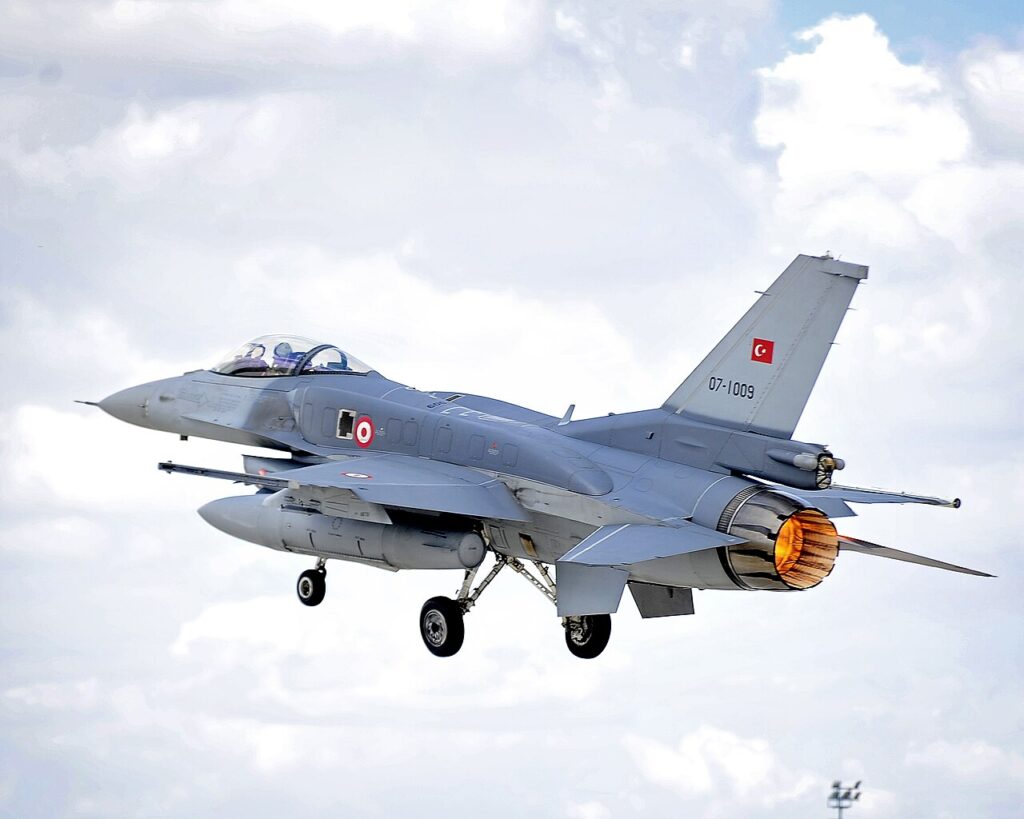
What those plans look like is more measured than the word “deployment” might suggest. The AK Party lawmaker told Reuters that “no Turkish troops deployed to other countries under the pact would take part in offensive operations.” The first wave would be technical personnel and experts — specialists in air defences, electronic warfare technologies and other defensive support.
That matches what Turkish officials have been saying privately for weeks. Two officials previously told Reuters that Turkey’s contribution was expected to be limited to military equipment, intelligence sharing and weapons systems, and that no deployment of any kind had taken place under the alliance so far. Turkey has condemned the Houthi attacks on Saudi Arabia and agreed to join a Saudi-led coalition aimed at keeping Red Sea shipping lanes safe.
According to a separate account from defence analysts, Turkish officials have said Ankara intends to go further once parliament signs off: more personnel, technicians and emergency response teams backed by combat forces, pilots, aircraft and a limited number of special forces. The same account stresses that Turkey does not plan to send large numbers of ground troops or to intervene directly in Yemen.
Some groundwork already exists. Turkey already stations technical teams, air-defence systems and electronic-warfare equipment in the kingdom under a 2010 military training agreement, helping protect Saudi energy infrastructure. And at an emergency meeting in Riyadh earlier this month, the three pact members agreed in principle to the rapid deployment of forces and capabilities to Saudi Arabia, which is absorbing a widening campaign of Houthi missile and drone attacks.
The deadliest of those attacks — a strike on Riyadh’s King Khalid International Airport on October 10 — killed at least 12 people and wounded more than 300, and was followed by strikes on oil facilities and, Saudi officials say, intercepted drones over the holy city of Medina.
Why this matters
Turkey fields NATO’s second-largest standing army, and this mandate would commit it — for the first time — to a formal defence arrangement built explicitly around the Gulf conflict. The pact is not a vague friendship treaty. It binds Ankara, Riyadh and Islamabad to mutual defence, intelligence sharing, logistics cooperation and defence-industry collaboration, while letting each capital decide the scope of its own support.
For Riyadh, the appeal is diversification. Saudi Arabia is already receiving British Typhoons for air defence and negotiating with Washington over renewed strikes on Iran; Turkish air-defence specialists add another layer that does not depend on American politics. For Ankara, it is a calculated halfway house: soldiers on the ground in a war zone, but officially in defensive roles only — air shields and electronic ears, not an expeditionary force.
The timing is impossible to miss. The mandate news landed the same week that Pakistan’s own army chief, Field Marshal Asim Munir, was in Tehran being told by Iranian officials that there would be no talks with Washington until Tehran’s demands are met — a reminder that the third signatory of the Mecca pact is simultaneously playing mediator. Turkey’s parliament, Iran’s negotiators and Washington’s strike planners are now all moving pieces on the same board.
Whether the mandate passes quietly or becomes a debate about how close Turkey is willing to sail to a shooting war with Iran will be the next thing to watch. Under Turkish law, any foreign deployment needs parliament’s blessing — and this one would put Turkish personnel within range of the Houthi drones the kingdom’s air defences keep intercepting.