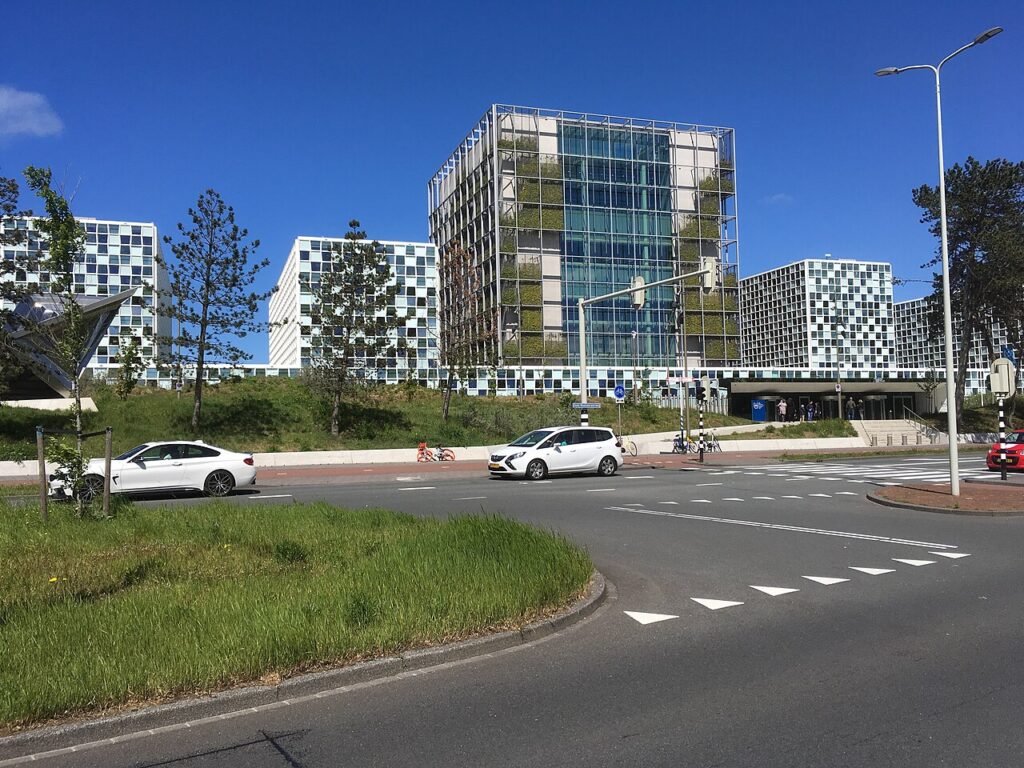
The courtroom in The Hague has had a good month — and a terrible year. On Thursday, the International Criminal Court learned that the European Parliament had chosen it as the winner of the 2026 Sakharov Prize for Freedom of Thought, the EU’s highest human rights honor. It is the second international award showered on the war-crimes tribunal this month. The first, the Nobel Peace Prize, went to one of its former judges. And both prizes arrive while the United States is actively trying to punish the institution.
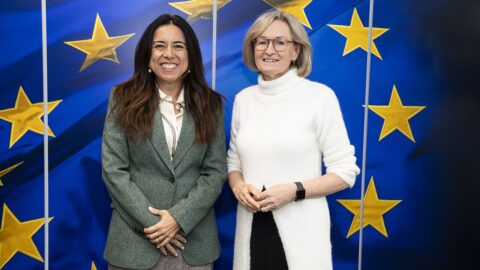
European Parliament President Roberta Metsola announced the decision in Strasbourg to a standing ovation. “The EU is built on respect for multilateralism and international institutions,” she said. “And this prize recognises the important work of the court in upholding international law and justice.”
The timing was the point. Thirteen days earlier, the Trump administration imposed sanctions on the court itself — the first time Washington has sanctioned the institution rather than individual officials — escalating a campaign that has been building since the ICC issued arrest warrants for Israeli Prime Minister Benjamin Netanyahu and his former defence minister in 2024. Under the sanctions, transactions with the court will be banned after a six-month grace period, according to Secretary of State Marco Rubio.
The court was nominated by the Socialists and Democrats group, with support from Renew Europe, the Greens and the Left. It beat two other finalists: Tundu Lissu, the imprisoned Tanzanian opposition leader, and Taraneh and Romina Rahimi, Iranian twin sisters who were sentenced over protests in Iran — one to death, the other to a decades-long prison term. The right-wing groups split their votes, which cleared the court’s path.
ICC President Tomoko Akane, a Japanese judge, called the “unprecedented challenges” facing the court the reason the prize mattered more, not less. “It underscores the importance of continued international cooperation and support to enable the court to carry out its mandate independently and impartially,” she said. “There is no peace without justice and no security without law.”
A court under pressure
The ICC, founded in The Hague in 2002 under the Rome Statute, prosecutes genocide, war crimes, crimes against humanity and aggression — the gravest international crimes. It has long been a target of Donald Trump, but the October sanctions marked a new stage: they target the institution’s ability to function, aiming to disrupt its judicial work and discourage anyone from cooperating with it, as the court itself has said.
The two awards in October tell a story about who gets to define the court’s legitimacy. The Nobel committee gave its peace prize to Navanethem “Navi” Pillay, who served as an ICC judge from 2003 to 2008, in a move widely read as a show of support for the embattled tribunal. The European Parliament has now gone further, honoring the court itself by name.
What happens next
The prize comes with €50,000 and a ceremony in Strasbourg on December 16. But the political fight it feeds will not be settled with medals. The Socialists and Democrats, who championed the nomination, used the moment to demand that the European Commission activate the EU’s blocking statute — the law designed to shield European companies from the effects of foreign sanctions — against the American measures. “This is a victory for international justice, a defeat for autocrats, and a powerful reminder that accountability matters,” said the group’s president, Iratxe García Pérez. “The next step is clear: activate the Blocking Statute.”
That demand reveals what the Sakharov Prize really is here: not just recognition but retaliation by other means. Washington has a tool for weakening the court; Europe has now used its own highest honor to declare the sanctions illegitimate. The question that will decide the ICC’s future is practical, not ceremonial: whether banks, insurers and software vendors in the court’s member states keep doing business with an institution the US Treasury has blacklisted.
For readers who want to understand how this standoff started, our earlier coverage traced the sanctions and asked whether the ICC can survive Washington’s punishment; the US sanctions announcement and the Nobel Peace Prize to Navi Pillay complete the picture.
The court has survived before by outlasting its critics. This time, the critics are sanctioning it while Europe is applauding it — and the trial of strength is happening in bank compliance departments, not in Strasbourg.