Houthi rebels fired ballistic missiles at a Yemeni army training camp on Monday morning, killing at least 20 soldiers in what ranks among the deadliest single attacks of the war’s latest escalation.
The missiles slammed into the al-Alam military camp in Shabwa, an oil-rich province in Yemen’s east, while troops were in the middle of a training exercise. Two Yemeni military officials, speaking on condition of anonymity because they were not authorized to brief the media, told The Associated Press that at least 20 soldiers were killed and more than two dozen wounded. Reuters, citing four government and medical sources, put the death toll at 18 with over 30 wounded — and the Shabwa deputy governor warned of at least 40 casualties overall, suggesting the final number could climb.
Majed al-Nuzaili, a spokesperson for Yemen’s armed forces, confirmed on X that the Houthis had targeted the province with three ballistic missiles, striking a training centre for members of the security and police services.
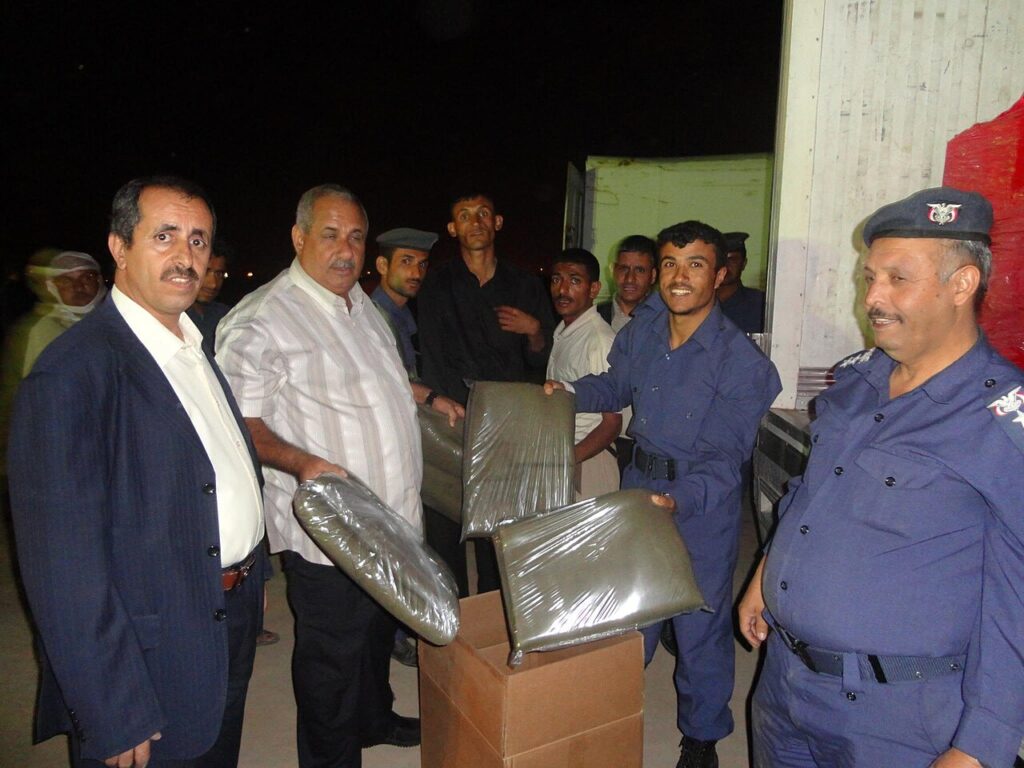
Rashad al-Alimi, head of Yemen’s Presidential Leadership Council — the Saudi-backed body that serves as the country’s internationally recognized government — said those killed were new recruits and promised a “firm response”.
The Houthis claimed responsibility for the strike. Reporting from Sanaa, Al Jazeera’s correspondent said the group described the target as a “Saudi-backed” military base, with spokesman Yahya Saree declaring that anywhere with a Saudi-backed military presence would be considered a legitimate target and warning that further strikes would follow.
A feared rehearsal for a ground offensive
What unsettled Yemeni officials was not just the death toll but what the strike might be rehearsing. A government military source in Shabwa told AFP the army feared the missile barrage could pave the way for a Houthi ground offensive “similar to what happened in Mocha”, referring to the strategic Red Sea port city the Houthis seized near the Bab al-Mandab strait.
The same sources said the Houthis had cut the road linking government-held Shabwa with Houthi-controlled Al-Bayda province on Sunday, preventing locals from using the route — a tactic that often precedes an advance.
Retaliation was already under way
The camp strike came a day after an airstrike blamed on Saudi-led forces killed at least nine people, including five children and two women, in Yemen’s rebel-held northern province of Saada, according to the Houthi-run Health Ministry. The rebels said several such strikes killed or wounded more than 30 people over the weekend.
The exchange is part of a sharp escalation that began months ago as the Houthis seized strategic territory along the Red Sea coast and shattered a 2022 truce that had largely stopped the fighting. Since then, government forces backed by Saudi Arabia have answered with a counteroffensive dubbed the “Dawn of Yemen” — and the United Arab Emirates agreed this weekend to resume funding the southern Yemeni forces fighting the Houthis, the first tangible sign of a healing rift between Riyadh and Abu Dhabi.
Why this matters beyond Yemen
For most of the past decade, Yemen’s war was a grim, grinding stalemate that rarely made global headlines. That is over. The Houthis are now fighting on three fronts at once — pounding Saudi Arabia itself with missiles and drones as far as Aramco’s Dhahran headquarters, strangling Red Sea shipping with mines and drone attacks, and escalating the ground war at home. Each front bleeds into a wider regional confrontation that has already drawn in the United States and Israel.
Monday’s strike also shows how far the conflict has moved from insurgency tactics: three ballistic missiles fired in broad daylight at a provincial training camp is the signature of a military with serious long-range capability, not a militia. If the fear in Shabwa is right and a ground offensive follows, Yemen’s east — and the oilfields that sit beneath it — could become the war’s next frontline. The toll, like the morning’s missiles, will not stay inside Yemen’s borders.