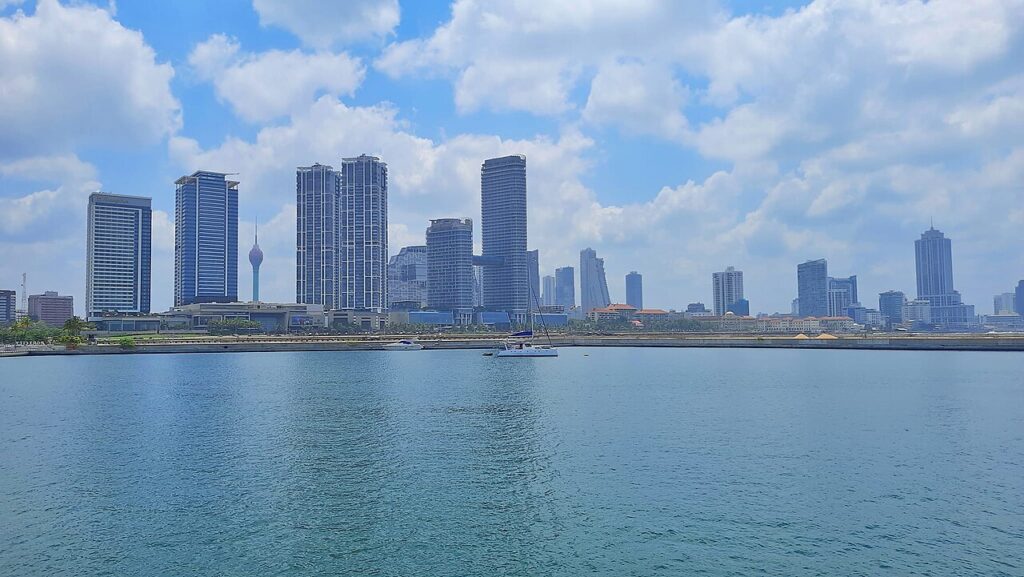
COLOMBO — On Saturday afternoon, an island nation of 22 million people discovered that too much of a good thing can switch off the lights. Sri Lanka’s entire electricity grid collapsed around noon on Oct. 17, leaving homes, hospitals, water plants and government offices without power for nearly six hours.
Supplies were restored stage by stage through the afternoon and evening. By dusk, the state electricity authority said the island was back online — but the cause of the trip was still under investigation on Sunday, and the leading suspect is an unlikely one: sunshine.
Engineers believe an imbalance between solar power generation and demand may have destabilised the network. Energy Minister Anura Karunathilaka said demand was muted because the blackout struck on a weekend holiday, while bright midday sun flooded the grid with rooftop solar power.
“We request rooftop solar system owners to disconnect their systems until further instructions in order to support the restoration efforts,” the minister said in a brief statement as crews raced to bring substations back online.
A repeat of February 2025
It is not the first time Sri Lanka has paid this price for a sunny weekend. In February 2025, the entire grid shut down when solar generation exceeded consumption on a bright, sunny Sunday. That outage also took more than six hours to fix.
The numbers explain the fragility. Sri Lanka now has just over 3,000 megawatts of installed solar capacity — while daytime demand ranges only between 2,000 and 2,500 megawatts. On a low-demand day, the country’s panels can produce more electricity than its grid can absorb.
Tax concessions have encouraged consumers to install rooftop panels and sell surplus electricity back to the network, and the government aims to nearly triple solar capacity to about 4,400 megawatts within three years — a 388 percent increase from 2024. The utility is struggling to keep up with the pace of its own success story.
Hospitals, water, and mobile networks strained
The blackout swept across all provinces at once. Major water treatment plants at Ambatale and Biyagama briefly halted operations, and the water agency urged residents to conserve supplies. Hospitals switched to emergency generators. Mobile networks grew congested as millions of people went looking for information at once, and in Colombo commuters drove past dead traffic lights.
Early reports also pointed to a possible technical fault at the Upper Kotmale power station in the central hill country, and all three generating units at the Norochcholai coal plant shut down as the grid tripped. The National System Operator later denied reports of plant breakdowns, saying hydropower stations remained online to aid restoration and that Norochcholai was shut down under standard procedures. Officials expected full restoration by around 6:30 p.m. local time.
Why this matters beyond Sri Lanka
This is the paradox of the energy transition, playing out in real time. Rooftop solar is one of the fastest-growing energy sources on the planet, and Sri Lanka is far from alone in adding panels faster than it upgrades the wires beneath them. A grid designed for one-way flow — big power stations pushing electricity outward — can become unstable when thousands of rooftops push power back in at noon.
The February 2025 collapse should have been a warning: it raised the question of whether the risk had been treated as a standing contingency. Saturday’s repeat suggests the answer, so far, is no. As countries from Vietnam to Australia race toward ambitious solar targets, Sri Lanka’s two dark afternoons are a cautionary tale — the green transition needs grid engineering to keep pace with panel installation, or sunny days will keep switching off the country.