US President Donald Trump has scrapped plans to livestream the firing-squad execution of Nidal Hasan, the former Army psychiatrist convicted of killing 13 people in the 2009 Fort Hood massacre, reversing course after a week of mounting outrage that drew condemnation from the United Nations.
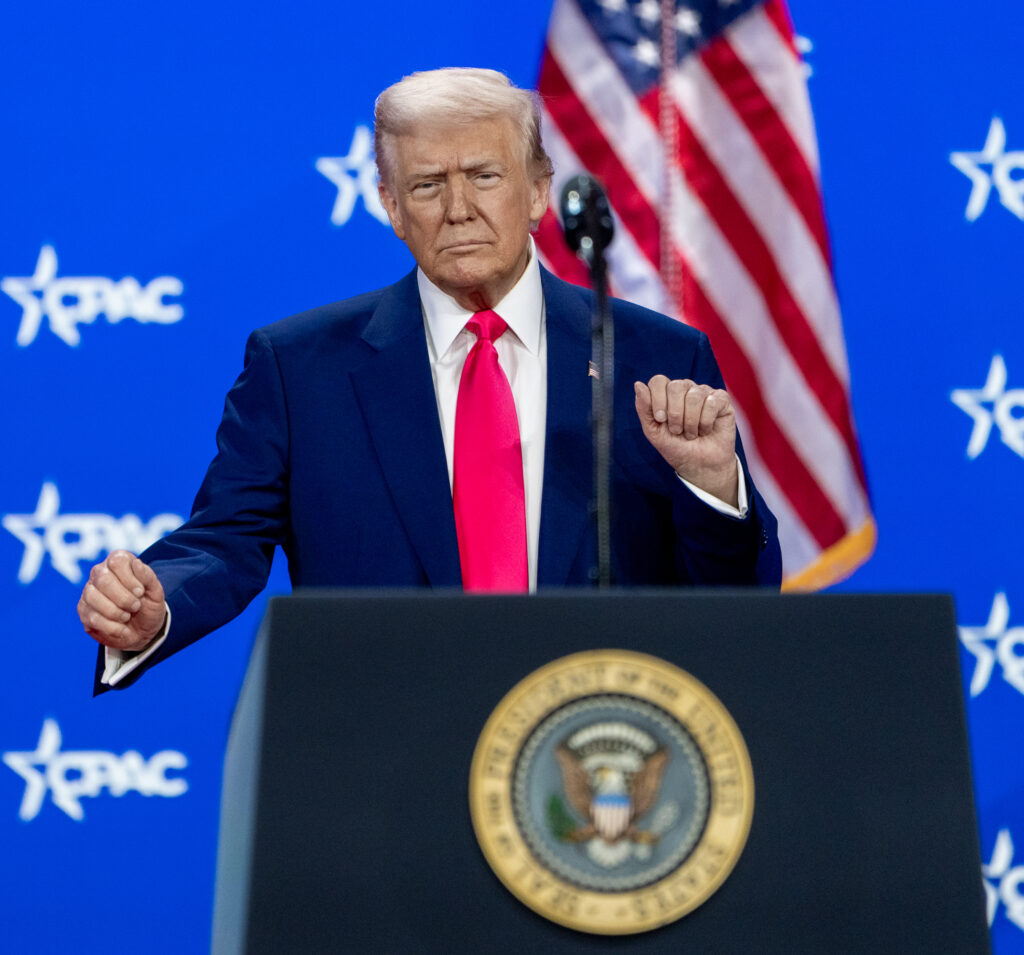
Trump announced the reversal on Thursday, confirming the execution would still take place as scheduled on 3 December but would no longer be broadcast to the public. “Many very good and well meaning people would rather not watch him die,” he said. “He will die, as scheduled, by firing squad, but this event will not be streamed.”
The Pentagon announced last week that Hasan would be executed in December — the first US military execution in more than 60 years. Officials said the firing squad would be shown live online, a proposal that drew immediate and widespread criticism from human-rights advocates, legal scholars and the UN, which called the plan “abhorrent”.
Defense Secretary Pete Hegseth had initially defended the broadcast, arguing that “people need to understand that there’s serious consequences for these types of things”. On Thursday, however, Hegseth fell into line behind the president; his spokesman, Sean Parnell, said the secretary was “completely aligned” with Trump’s decision.
Hasan’s lawyer, John Galligan, called the reversal “no surprise” and said the original livestream plan violated the Army’s own regulations governing military executions.
Trump said the families of the victims would still be allowed to witness the execution in person. “They deserve to witness JUSTICE!” he said.
For readers outside the United States, the case may need context. Fort Hood — since renamed Fort Cavazos — is one of the largest US Army installations in the world, and the attack of 5 November 2009 remains the deadliest non-combat assault ever carried out on an American military base. Hasan, then a major and an Army psychiatrist, opened fire inside a processing centre where soldiers were preparing to deploy to Iraq and Afghanistan. Thirteen unarmed military personnel were killed and 32 wounded before Hasan was shot by civilian police and taken alive.
A military court-martial convicted Hasan in 2013 on 13 counts of premeditated murder and 32 counts of attempted premeditated murder, and sentenced him to death. More than a decade of mandatory appeals followed — the reason the December date, when it was announced, marked such a rare event. The US military has not put anyone to death since 1961, when Private John A. Bennett was hanged at Fort Leavenworth.
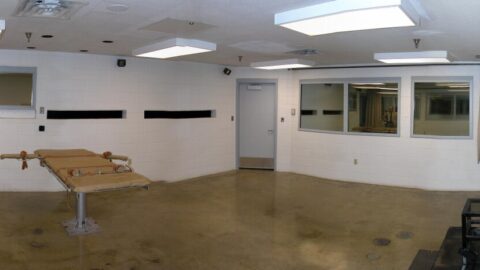
The method is extraordinary in the modern American context. The firing squad has all but disappeared from US practice: only a handful of states still authorise it, and no American jurisdiction has used one in years. That the military — whose last executions were carried out by hanging — would return to the firing squad underlines how exceptional the Hasan case is in American legal history. The case also lands amid renewed scrutiny of execution methods in the United States, where a failed execution attempt in Tennessee drew national attention.
Why this matters: the episode goes well beyond one man’s fate. The livestream proposal turned a military punishment into a potential global spectacle, forcing an uncomfortable question: should the state broadcast death as public entertainment? The UN’s verdict of “abhorrent” reflected a wider international consensus — most of the world has abolished capital punishment, and even among countries that retain it, almost none would televise an execution. Trump’s reversal defuses the diplomatic fallout while keeping the execution itself on schedule, a calculation that lets him tell supporters justice will be done without handing critics the images they warned would damage America’s standing. For the families of the 13 dead, the December date finally closes a chapter 17 years in the making. For everyone else, the saga is a reminder that in the age of the livestream, even the gravest acts of state risk becoming content.



One Comment