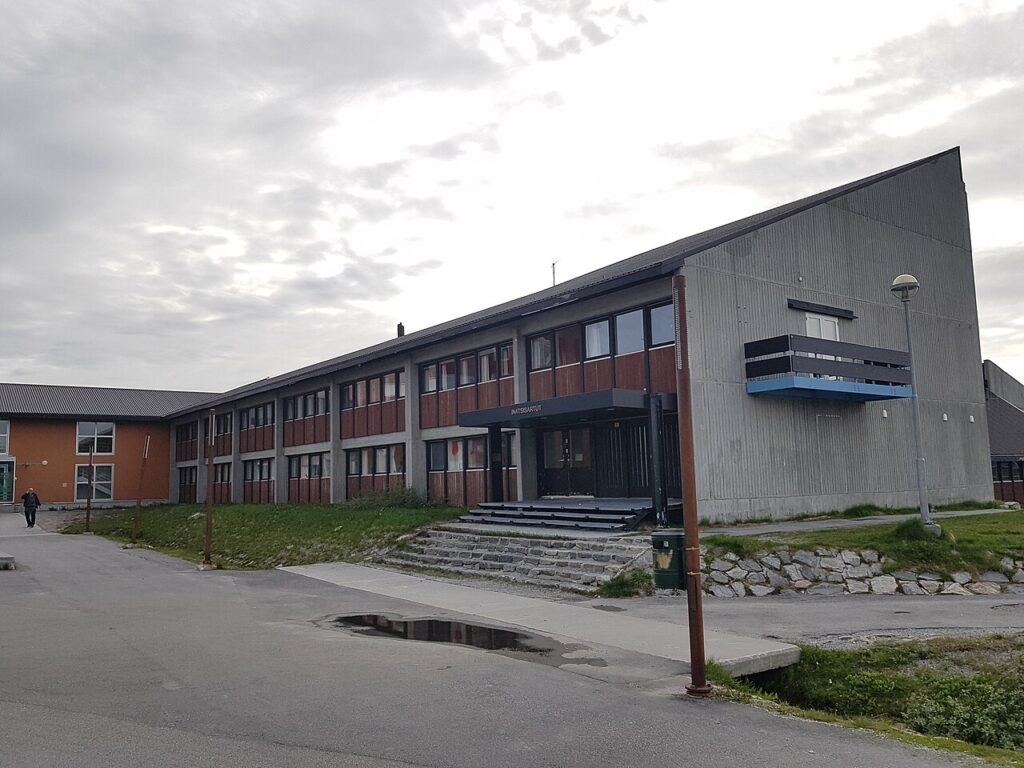
Greenland’s parliament has voted to let the United States build two new military bases on the island, closing — at least for now — one of the strangest diplomatic crises of Donald Trump’s second term: months in which the American president repeatedly said he wanted to take control of a self-governing territory belonging to a NATO ally.
Lawmakers in the Inatsisartut, Greenland’s 31-seat legislature, backed the trilateral security agreement with the United States and Denmark by 16 votes to none on Tuesday, with seven abstaining. Nobody voted against it.
The deal, signed in September on the sidelines of the United Nations General Assembly in New York by Trump, Danish Prime Minister Mette Frederiksen and Greenlandic Prime Minister Jens-Frederik Nielsen, expands the American military footprint across the vast Arctic island. It opens two new US defence areas, at Narsarsuaq in the south and Mestersvig in the east, and allows Washington to modernise and expand its existing Pituffik Space Base in the north-west, including elements of Trump’s proposed Golden Dome missile defence system.
What it does not do is change who owns Greenland. The agreement reaffirms Danish sovereignty and Greenlanders’ right to self-determination, and it would continue to apply even if Greenland one day chose independence. Greenlandic Foreign Minister Mute Egede called ratification “an important step” for the island.
Not everyone in Nuuk was enthusiastic. Naleraq, the most prominent pro-independence voice in the chamber, questioned the deal’s economic value during the debate — a reminder that for many Greenlanders, the question was never only about security. It was about what, if anything, Greenland gets in return for hosting more foreign troops.
The agreement is not yet in force. It still needs Denmark’s parliament, which is due to take it up later this month, with a final vote expected on 19 November. Because it was struck as an executive agreement, it does not require approval from the US Senate.
That sequence matters. Greenland was never going to be sold, and Denmark was never going to hand it over. But for most of this year the island lived under the threat that Washington might try anyway, with Trump arguing that American control was necessary for Arctic security. This deal is the compromise that lets all three governments claim a win: Washington gets the bases and the missile-defence sites, Copenhagen keeps sovereignty, and Nuuk keeps its path to a future independence vote intact.
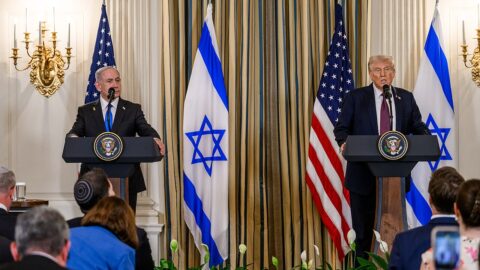
Why this matters beyond Greenland: the Arctic has become one of the sharpest edges of great-power competition, as melting ice opens shipping routes and exposes resources that were once locked away. A bigger American military presence, welcomed by the host government rather than imposed on it, strengthens the West’s position against Russia and China in the far north — but it also tests relations with European allies who watched the takeover threats with alarm. The Danish vote will show whether Copenhagen is as comfortable with the bargain as Nuuk. And the same day as the vote, Trump announced that US aid to Israel would end at year’s end — a sign of a president redrawing American commitments on several fronts at once.
For Greenlanders, the immediate question is more practical: where exactly the new sites will be built, how many American personnel will arrive, and whether the promised investment follows the flags. The vote answered the political question. The details are still to come.