Key takeaways
- Alphabet’s Waymo plans to bring its robotaxi service to Toronto in 2028 — its first deployment in Canada.
- Toronto-based Element Fleet Management will handle fleet operations, including maintenance, charging, and day-to-day support.
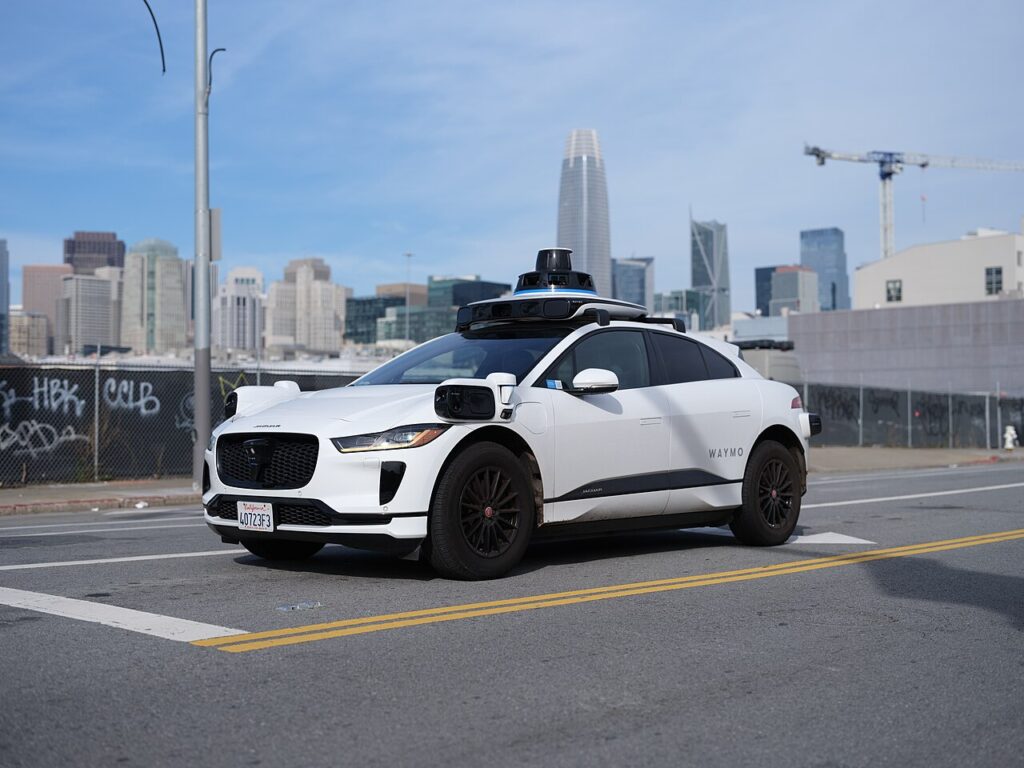
- Waymo vehicles will start appearing on Toronto streets in the coming days, driven manually at first while specialists build high-definition maps and adapt the Waymo Driver to local conditions.
- The company expects to create hundreds of local jobs over time in fleet maintenance, validation driving, and customer service.
- Ontario’s autonomous-vehicle pilot program permits this kind of testing — but the province has no rules yet for a commercial driverless service.
Waymo announced on Friday, October 16, that it will bring its fully autonomous ride-hailing service to Toronto in 2028, marking the company’s first planned deployment in Canada and its latest step beyond the United States. The announcement came in Waymo’s official announcement.
For the Canadian launch, Waymo is partnering with Element Fleet Management, a Toronto-headquartered fleet company, which will run end-to-end fleet operations for the Toronto service — vehicle maintenance, charging, and other operational support. The partnership builds on an existing arrangement between the two companies supporting Waymo’s operations in San Diego.
The rollout will be gradual. Waymo says its cars will begin operating on Toronto streets in the coming days — but with humans driving at first. Trained specialists will stay behind the wheel while the company collects high-definition mapping data and studies local driving conditions, in what it describes as a phased, safety-first approach before any rides run without a human on board.
“Expanding into Canada marks an important milestone in Waymo’s global journey,” said co-CEO Tekedra Mawakana in the announcement. “We’re proud to bring the Waymo Driver to Canada’s largest city.”
Waymo also pointed to ties it already holds in Canada: the Canada Pension Plan Investment Board is a long-term investor, and Magna International is a manufacturing partner. Together with Element and its other partners, the company says it will create hundreds of local roles over time, covering fleet maintenance, validation driving, customer service, and other operations work. Job creation is a sensitive point — in April, Toronto Mayor Olivia Chow’s office told the Toronto Star it would not support Waymo if the service cost local jobs.
Toronto joins a growing list of Waymo’s international ambitions. The company has previously announced expansions to London and Tokyo, but the Toronto move is its first confirmed commitment on Canadian soil.
Why this matters
Toronto is not just another city on Waymo’s map — it is a stress test. Snow is the hardest problem in self-driving: sensors get blinded by blizzards, lane markings vanish under slush, and traction changes by the minute. Waymo has done most of its commercial driving in sun-belt cities, and the company itself says its Toronto work includes adapting the Waymo Driver to Canadian weather, snow, road infrastructure, and traffic patterns. If the system can handle a Toronto winter, it can handle almost anywhere in the Northern Hemisphere — and every other self-driving company knows it.
There is a catch. Ontario currently has no rules for a commercial driverless service; testing is permitted under the province’s autonomous-vehicle pilot framework, but commercial operation would require new regulations. Waymo has not announced a service area or a date for rides without a specialist behind the wheel. The groundwork starts now; the hard part — the weather, and the rulebook — comes next.