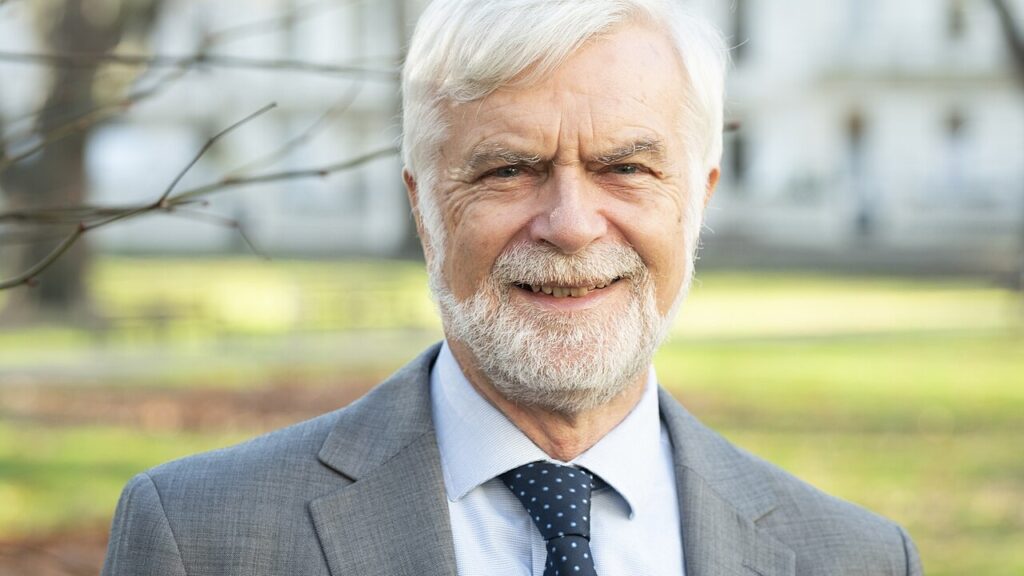
The world’s most important climate-science body walked away from the negotiating table on Friday night with almost nothing to show for a week of work. IPCC Chair Jim Skea suspended the 65th plenary session of the Intergovernmental Panel on Climate Change in Addis Ababa, Ethiopia, after delegates from its 195 member countries failed to agree on when the panel’s next great global climate report will be published.
The report in question is the Seventh Assessment Report — AR7 in the shorthand of climate diplomacy — the once-in-a-decade survey of everything science knows about the warming planet. Friday’s session was meant to fix the publication dates for its three working-group contributions, which cover the physical science of climate change, its impacts and adaptation options, and how to cut emissions. With no dates agreed, the entire schedule slips.
At the heart of the deadlock is a fight that has been running for nearly three years: speed versus inclusion. A coalition of about 30 countries — including European, Latin American and small-island states — wants the scientists’ proposed 2028 timeline, so the reports feed into the UN climate talks in November 2028, when governments formally take stock of progress toward the goals of the 2015 Paris Agreement. On the other side, India, Kenya, Saudi Arabia, Russia and China argue the schedule must stretch into 2029, so scientists from less-resourced countries can contribute meaningfully to the assessment.
The anger from the countries most exposed to climate damage was raw. “We were here to work, but found every proposal dismissed — on inclusivity, on the relevance of the science for our national planning, on the necessity of evidence to inform the next Global Stocktake,” said Tina Stege, the climate envoy for the Marshall Islands, a Pacific nation whose shoreline is disappearing as seas rise. “Progress was blocked, down to the end — a shameful play for time when there is no time to waste.”
The end of the session carried its own irony. The meeting ran past its planned duration on Friday, and delegations from the least-developed countries and small island developing states — the countries with the most to lose from climate change — had to leave for their flights home. Skea’s own statement said suspending the session “safeguards and upholds the inclusivity of IPCC plenaries where the Panel makes major decisions by consensus.” The timeline for the reports and the IPCC’s budget remain open, and deliberations will resume “at the earliest opportunity.”
For a global reader, what matters here is the report’s role. IPCC assessments are written by hundreds of the world’s top scientists, reviewed in stages, and then approved line by line by all 195 member governments — which is why they carry unmatched weight. Governments plan their climate policies around them, and courts have cited them in international rulings. If AR7 slips past the November 2028 talks, governments will be judging each other’s Paris Agreement pledges without their agreed scientific scorecard. The 2028 “Global Stocktake” — the second such formal checkup after the first one at COP28 in Dubai — was built on the assumption the science would be there.
And the symbolism stings. The IPCC was founded precisely to keep politics out of the science; a three-year failure to settle a scheduling question suggests the politics now reaches inside the institution. Earlier this year Skea had told reporters he was confident a constructive outcome was possible in Addis Ababa. That confidence did not survive the week. For the Marshall Islands’ Stege and the island nations she speaks for, the verdict was blunt: “no time to waste.”
Scientists now watch for one date: when the IPCC reconvenes and whether it can reconcile the inclusion argument — real and legitimate — with the calendar. The climate, meanwhile, keeps its own schedule, as this week’s record haze crisis in Singapore reminded a region already gasping. That is exactly the kind of event AR7 is supposed to help governments understand — and respond to.