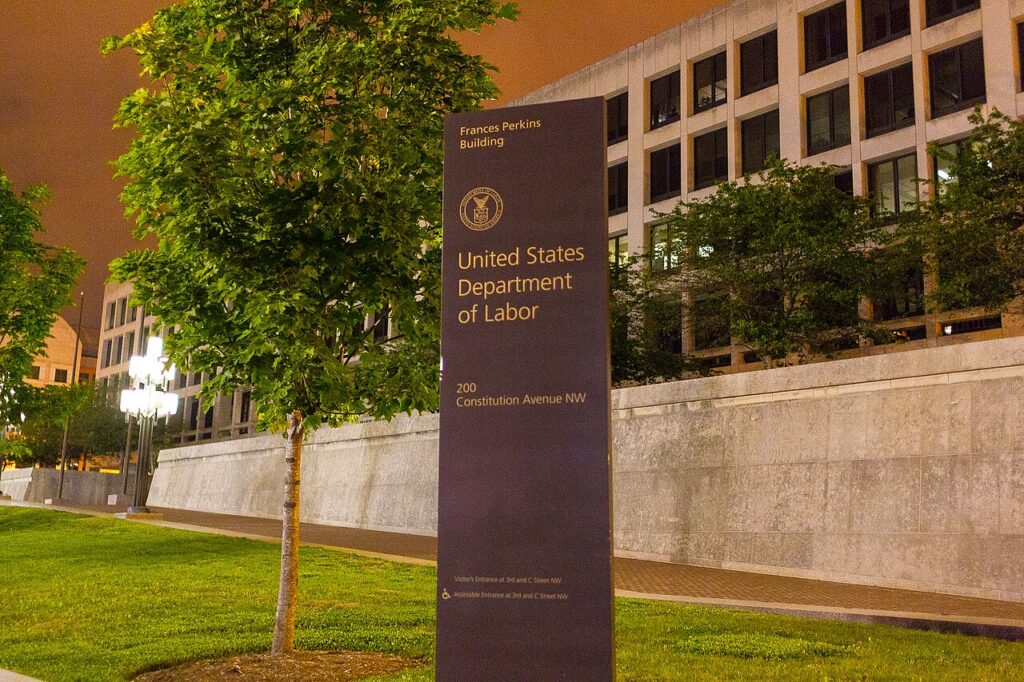
The American labour market just delivered the kind of surprise that rearranges everyone’s plans. Employers added 165,000 jobs in October, the Bureau of Labor Statistics reported on Friday — nearly triple the 65,000 economists polled by Reuters had expected, and more than three times the average monthly gain of 48,000 over the previous year. The unemployment rate ticked down to 4.1%, from 4.2% in September. Average hourly earnings rose 14 cents, or 0.4%, to $38.00 — up 3.1% on a year ago.
It was not a one-month fluke, either. September’s gain was revised up to 60,000 from the 29,000 first reported, and revisions added 84,000 jobs to August and September combined. The picture that emerges is of a labour market that spent the autumn looking weaker than it was — and that, on the latest numbers, is hiring at a healthy clip again.
Where did the jobs come from? Professional and business services led the way with 70,000 new positions. Health care added 42,000 — or 55,000 counting social assistance. Transportation and warehousing added 25,000, and manufacturing continued to trend upward with 19,000 more jobs. One striking detail, flagged by Reuters: all of the net gains in labour-force participation and employment in the household survey came from foreign-born workers.
What it means for interest rates
The report landed in a market already pricing in a Federal Reserve rate rise. Before Friday, traders put the chance of a hike at the Fed’s final meeting of the year, on 8–9 December, at roughly 67%. After the jobs numbers, that jumped to about 78–80%, and the 10-year Treasury yield rose 6.4 basis points to 4.894% within minutes of the release. The logic is straightforward: a labour market this resilient gives the Fed more room to focus on inflation, which is still being pushed up by the Middle East conflict and its effect on oil prices.
That is a sharp reversal of the mood only weeks ago, when hiring looked anaemic and the conversation was about how fast the Fed might cut. The October numbers do not settle the argument — the figures are preliminary and subject to revision, and the next inflation reading, due on 10 November, plus the November jobs report on 4 December, could yet change the story. But they have shifted the burden of proof. A rate rise in December, which looked like an outside bet in September, is now the market’s base case.
Why this matters beyond Wall Street
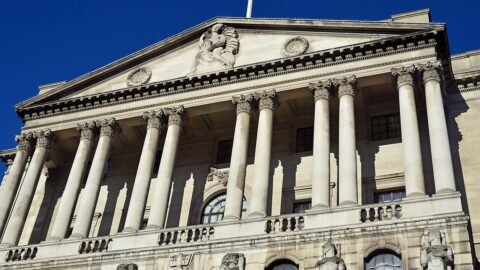
For ordinary Americans, the report is genuinely good news: more jobs, slightly higher pay, and an unemployment rate that has barely moved all year. For the rest of the world, it matters because American interest rates set the price of money everywhere. A December hike would strengthen the dollar, raise borrowing costs for developing economies, and complicate life for central banks already wrestling with their own inflation — the eurozone’s inflation hit 4% this week, its highest in three years, and the Bank of England raised rates to 4% on Thursday, its first hike in three years.
There is a catch, and it is worth stating plainly. A single strong month does not erase a year of weak hiring — the 12-month average before October was just 48,000 jobs a month, a level that barely keeps up with population growth. The IMF raised its 2026 global growth forecast to 3.1% last month but warned the cushion is thinning. Friday’s report suggests the American economy has more life in it than the pessimists thought. Whether that life lasts through the winter is the question the Fed will be asking on 8 December — and the answer will shape borrowing costs from Ohio to Islamabad.
Source: U.S. Bureau of Labor Statistics, The Employment Situation — October 2026