Key takeaways
- Kenya's health ministry confirmed a second Ebola case on October 14 — a 39-year-old close family member of the country's first patient.
- The man was already in quarantine under daily monitoring and was isolated the day he developed fever, fatigue and joint pain, October 13.
- Samples tested positive at two separate laboratories — the National Virology Reference Laboratory and the KEMRI-CDC laboratory — with matching results, for the Bundibugyo strain of Ebola.
- Of 128 contacts of the first case, 113 had been traced by October 13; 108 are in quarantine in Kenya, five are outside the country, and 15 are still being found.
- The ministry says there is "no evidence" of spread in the wider community.
Kenya recorded its second case of Ebola on Wednesday, eight days after the country announced its first-ever infection. The health ministry said the patient — a 39-year-old man and a close family member of the first victim — had already been in quarantine when the virus was detected, which officials described as the containment system working exactly as designed.
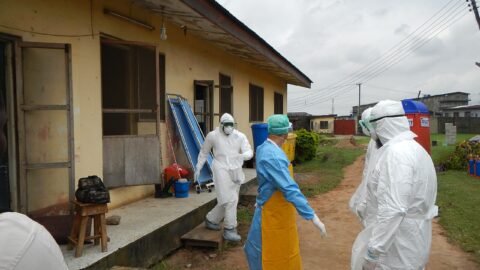
The man developed fever, fatigue and joint pain on October 13. Because he was under daily monitoring as a known contact, the quarantine team isolated him immediately and took samples. Both of Kenya's top virology laboratories — the National Virology Reference Laboratory and the Kenya Medical Research Institute's laboratory run jointly with the US Centers for Disease Control (KEMRI-CDC) — returned matching positive results for Bundibugyo virus disease, one of the known Ebola strains. He has since been moved to a designated treatment centre, where trained teams are giving him supportive care.
"Because he was already in quarantine, his illness was detected early," said Dr Patrick Amoth, Kenya's Director-General for Health — the country's top public health official. "Early supportive care improves his chances of recovery, and isolating him at the first symptom limits the chance of passing the virus to others. This is the response working as designed."
The two cases are linked, the ministry said, and there is no evidence of transmission in the wider community.
The contact-tracing arithmetic
The numbers tell the story of a response that is broad but incomplete. Health teams have listed 128 contacts of the first case. As of October 13, they had traced 113 of them. Of those, 108 are in quarantine inside Kenya, undergoing daily clinical assessments and temperature checks for 21 days from their last possible exposure. Five contacts are outside the country, and health authorities in those countries have been notified under the International Health Regulations — the World Health Organization's rulebook that requires countries to alert each other to cross-border health risks.
Fifteen contacts remain to be traced. Separately, teams are now assessing everyone who came into contact with the second patient after his symptoms began, including quarantine staff and health workers.
The WHO's Director-General, Tedros Adhanom Ghebreyesus, publicly backed Kenya's response, saying the early detection of the second case showed "surveillance and contact tracing efforts are working." Kenya has been working with the WHO since the Democratic Republic of Congo declared its 17th Ebola outbreak in May to prepare for imported cases.
.@MOH_Kenya identified a second case of #Ebola caused by Bundibugyo virus, a close contact of the first patient, who has already been in quarantine. This shows that surveillance and contact tracing efforts are working. He has been receiving supportive clinical care since the…
— Tedros Adhanom Ghebreyesus (@DrTedros) October 14, 2026
How the first case arrived
The first patient — Kenya's first-ever Ebola case — was a Kenyan citizen who had lived in the Democratic Republic of Congo for seven years. He fell ill about a month before his death and was treated at several health facilities in the DRC before travelling by road to Kampala, Uganda, and then flying to Nairobi on October 3. He died at the Nairobi Hospital, and Kenya notified the WHO of the confirmed infection on October 6.
Why this matters beyond Kenya
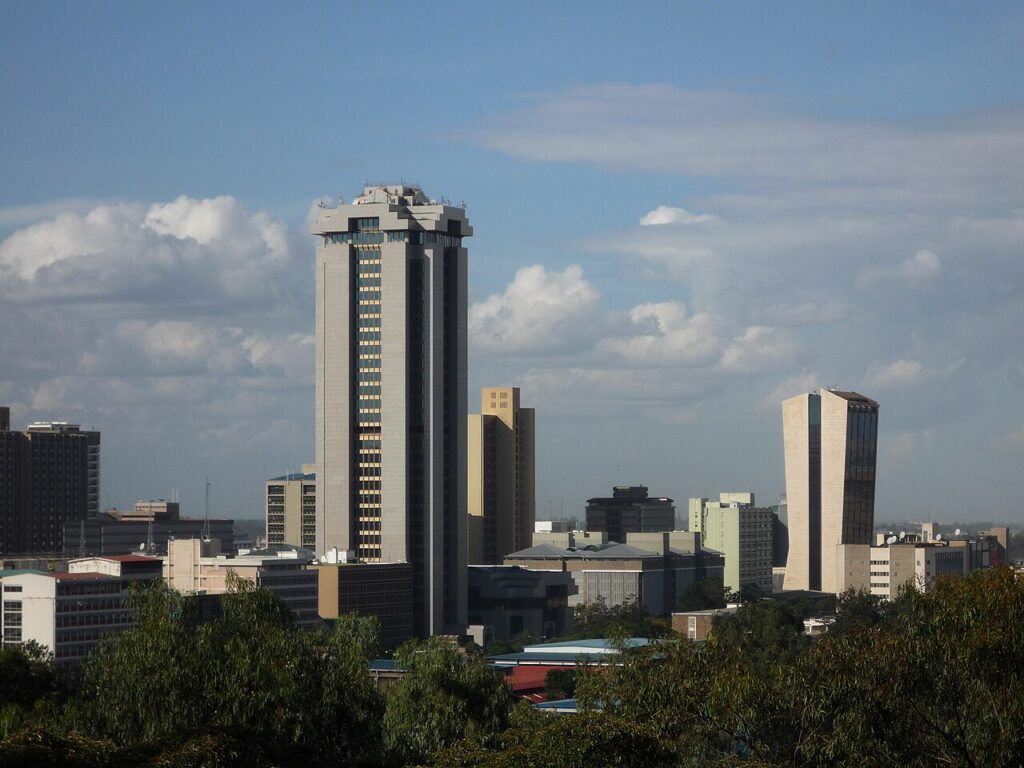
Nairobi is East Africa's busiest travel and business hub. A city that funnels passengers across the continent cannot afford a slow or secretive outbreak response — and so far, this one has been neither. Kenya's second case arrived not as a surprise but as an entry on a watchlist: a known contact, already isolated, detected on day one of symptoms. That is what separates an imported case from an outbreak.
The contrast matters globally. 2026 has already been a punishing year for infectious disease control — the United States' worst measles year since 1991 is unfolding at the same time — and every contained outbreak is evidence that the old tools still work: find the contacts, watch them daily, isolate at the first fever. The next two weeks of tracing will decide whether Kenya's system keeps working.

One Comment